
When Architecture Meets Bonsai: What the Treehouse Exhibition Really Signals for Our Craft
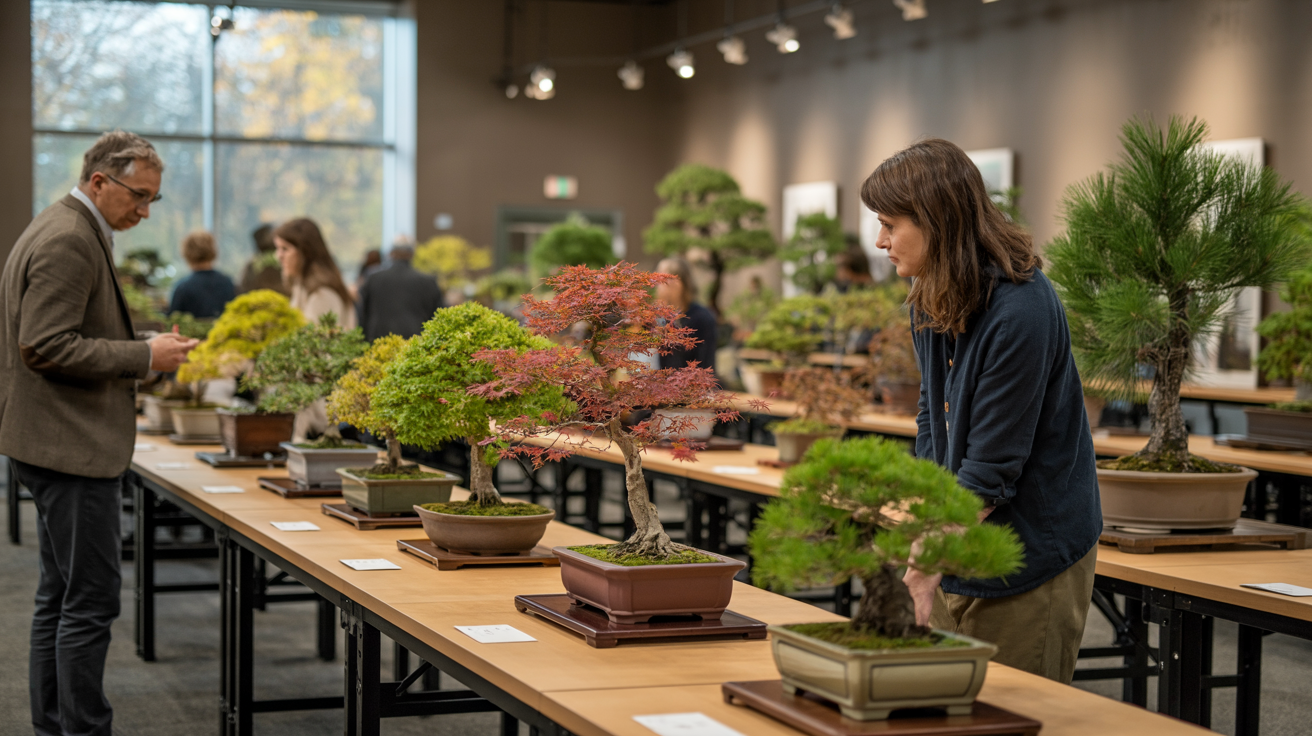
There is something quietly radical about architects turning to bonsai as a design language rather than a decorative afterthought. When a group of architects in London recently put miniature bonsai treehouses on public display — as reported by The Architects’ Journal — most of the bonsai community’s reaction was probably polite curiosity. We think it deserves considerably more attention than that.
The crossover matters not because architects have suddenly discovered bonsai, but because it forces a question we rarely ask ourselves: what does it mean to design around a living tree rather than to design the tree itself? For most of us, the pot, the stand, the viewing angle — these feel secondary. The exhibition suggests the opposite framing, and in our view, that is genuinely useful provocation.
What Most Guides Get Wrong About Scale and Negative Space
The standard advice in bonsai instruction is to treat negative space as the absence of foliage — gaps you manage by removing branches. This is, frankly, too narrow a definition. Architects think about negative space as active volume: the air inside a structure is as designed as the walls themselves. When you look at a well-resolved treehouse concept wrapped around a miniature trunk, you are seeing negative space treated as load-bearing in a compositional sense.
For bonsai growers, this reframing has immediate practical consequences. We would argue that too many developing trees — particularly younger Juniperus chinensis and Ficus retusa specimens — are over-foliaged at the apex precisely because their growers are filling visual space rather than sculpting it. The result is a silhouette that reads as dense rather than resolved. The architectural perspective here is not ornamental; it is diagnostic.
Our Take
What exhibitions like this one in London do best is remind us that bonsai exists in conversation with other spatial arts, not in isolation from them. We are enthusiasts, yes, but we are also practitioners of a discipline with rigorous spatial logic. Treating architecture as a foreign country is a missed opportunity. Treating it as a fellow grammar of proportion and tension is, in our view, exactly right.
A Concrete Technique: Editing the Apex in Late Winter
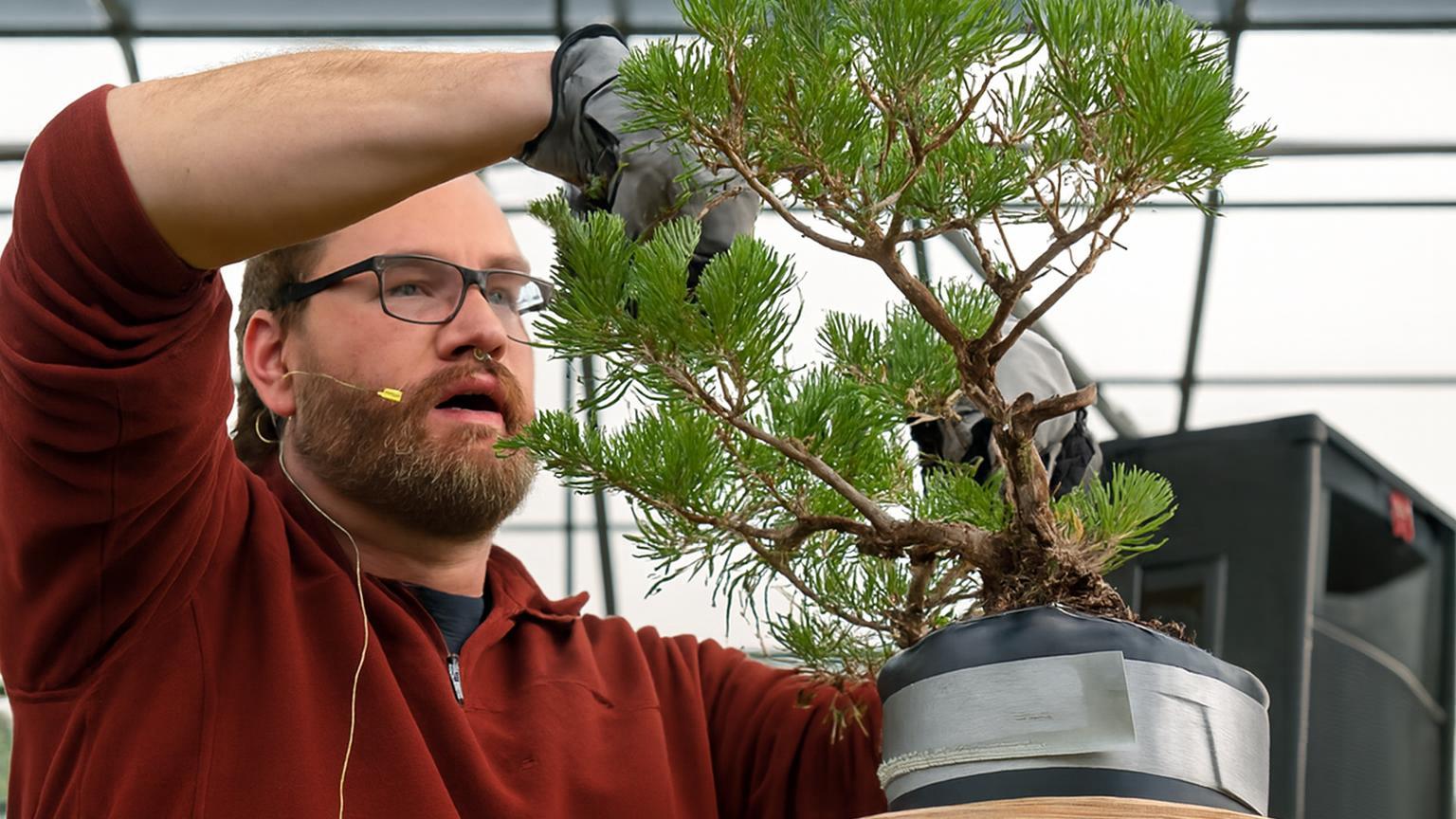
Inspired by the architectural emphasis on designed volume, here is a disciplined approach to apex editing that we recommend applying to deciduous species — particularly Acer palmatum — in late February, just before buds begin to swell:
- Strip all foliage and wire from the tree and study the bare structure against a plain background for at least ten minutes before cutting anything.
- Identify the single branch in the upper third that is consuming the most visual volume. This is almost always the one you are most reluctant to remove.
- Remove it entirely, then step back again. The instinct to immediately replace the lost mass with a secondary branch is the exact impulse to resist.
- Allow the negative space to remain for one full growing season before deciding whether a replacement shoot is warranted.
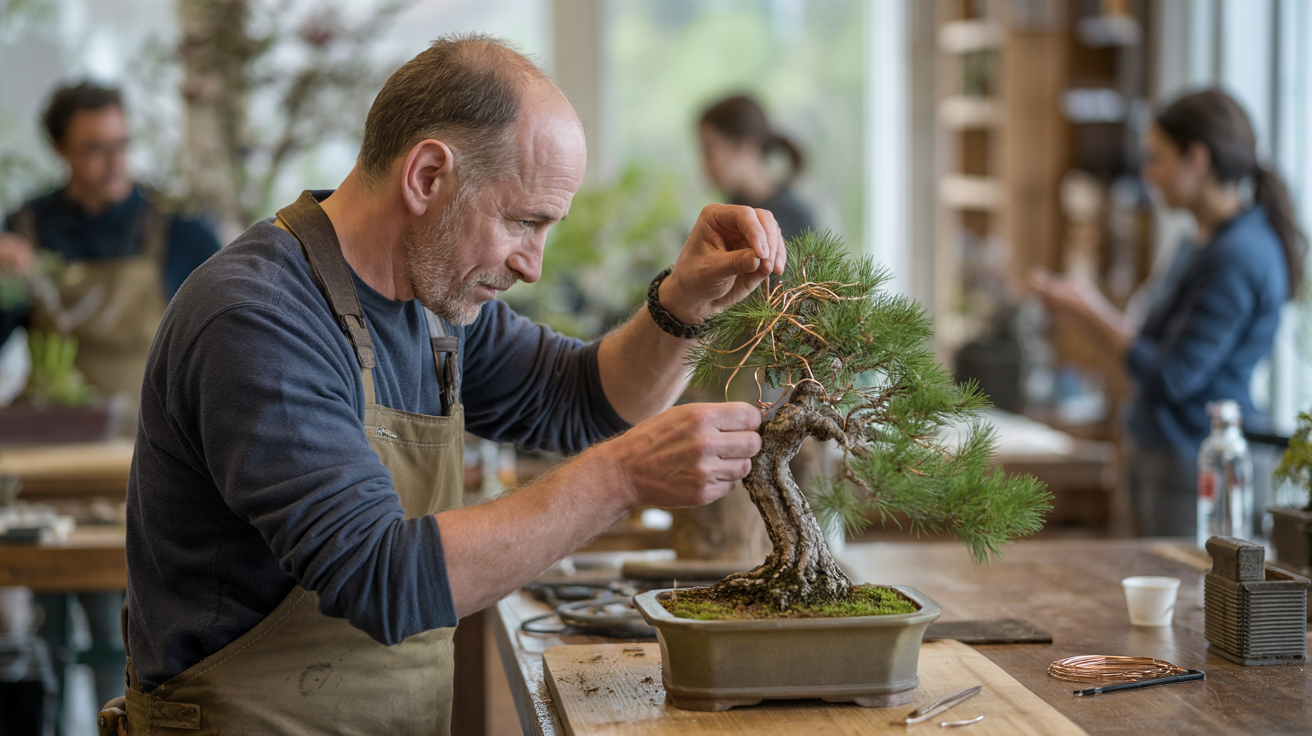
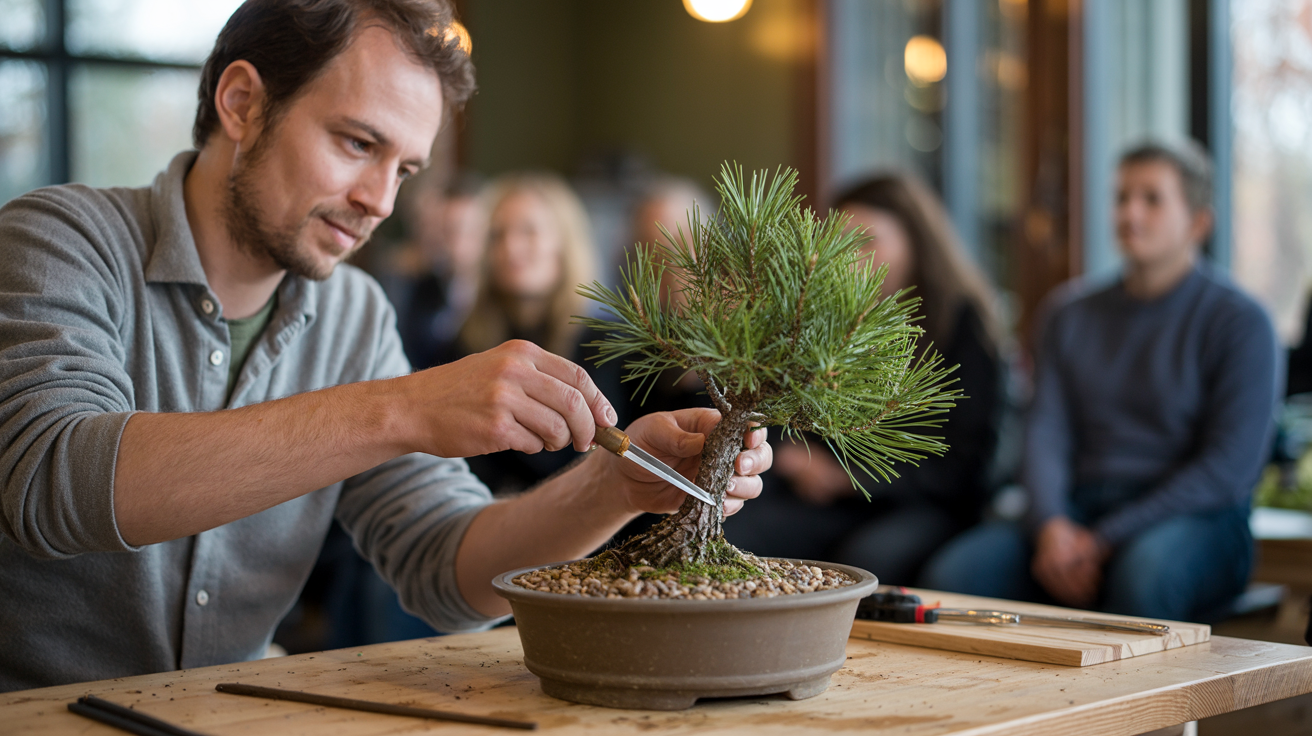
Precision matters at every step here, and so does tooling. Cutting cleanly at the collar without crushing cambium is non-negotiable, which is why we recommend reading The Shinogi Edge: Why the Geometry of Your Scissors Matters More Than You Think before you begin any apex work on a specimen tree.
Actionable Takeaway
Today, before your next styling session, photograph your tree’s silhouette against a white wall and print it in black and white. Then sketch the outline of the negative spaces — not the branches, only the air between them. If those shapes are all similar in size and feel accidental rather than considered, your next session should be about editing mass, not adding it. That single shift in perspective, borrowed directly from how architects read a structure, will change what you reach for with your scissors.
By Redazione Bonsai World
Article researched and written with AI assistance and reviewed by the Bonsai World editorial team.