
The 47-Year-Old Banyan in a Tub: What Bangladesh’s Bonsai Boom Tells Us About Urban Growers Everywhere
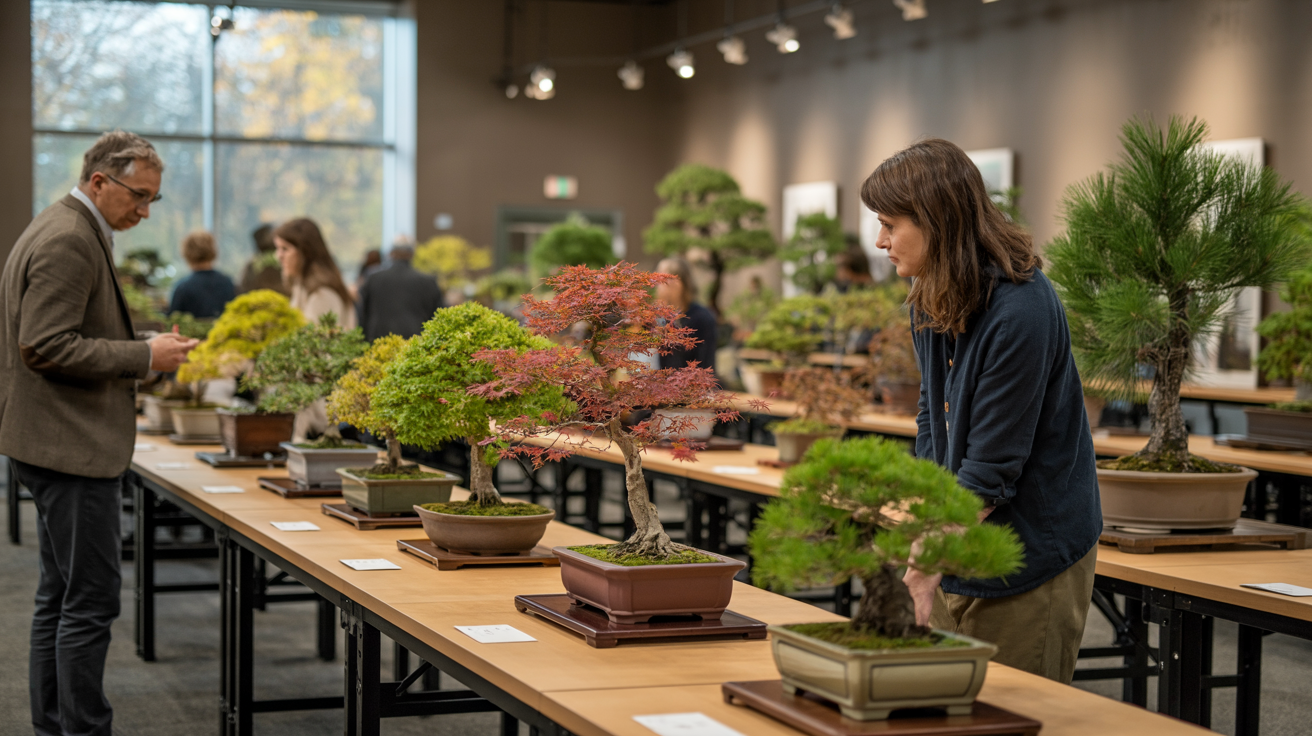
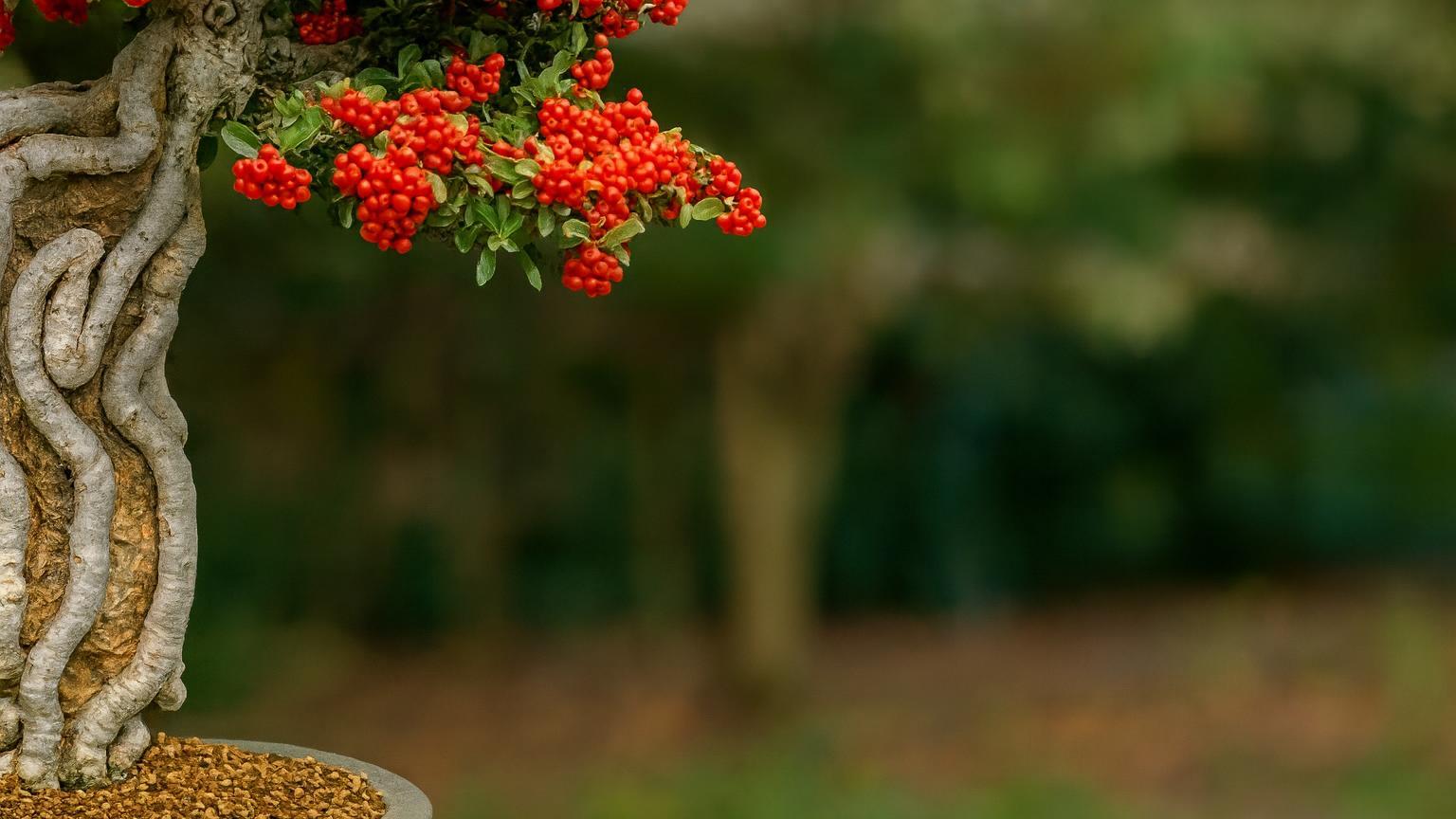
A 47-year-old banyan tree, contained in a modest tub and priced at 165,000 Bangladeshi taka, stopped visitors in their tracks at the Laldighi Tree Fair in Chattogram this August. As reported by Bangladesh Sangbad Sangstha, the piece — a Chinese bonsai exhibited by Jannat Shop City and described by its founder Mohammad At-Tawabul Islam as a living artwork refined over nearly five decades — drew not just photographers and browsers but actual buyers. Apartment dwellers were loading up on indoor plants ranging from Tk 200 to Tk 5,000, treating greenery less as a hobby purchase and more as a fixture of modern urban life.
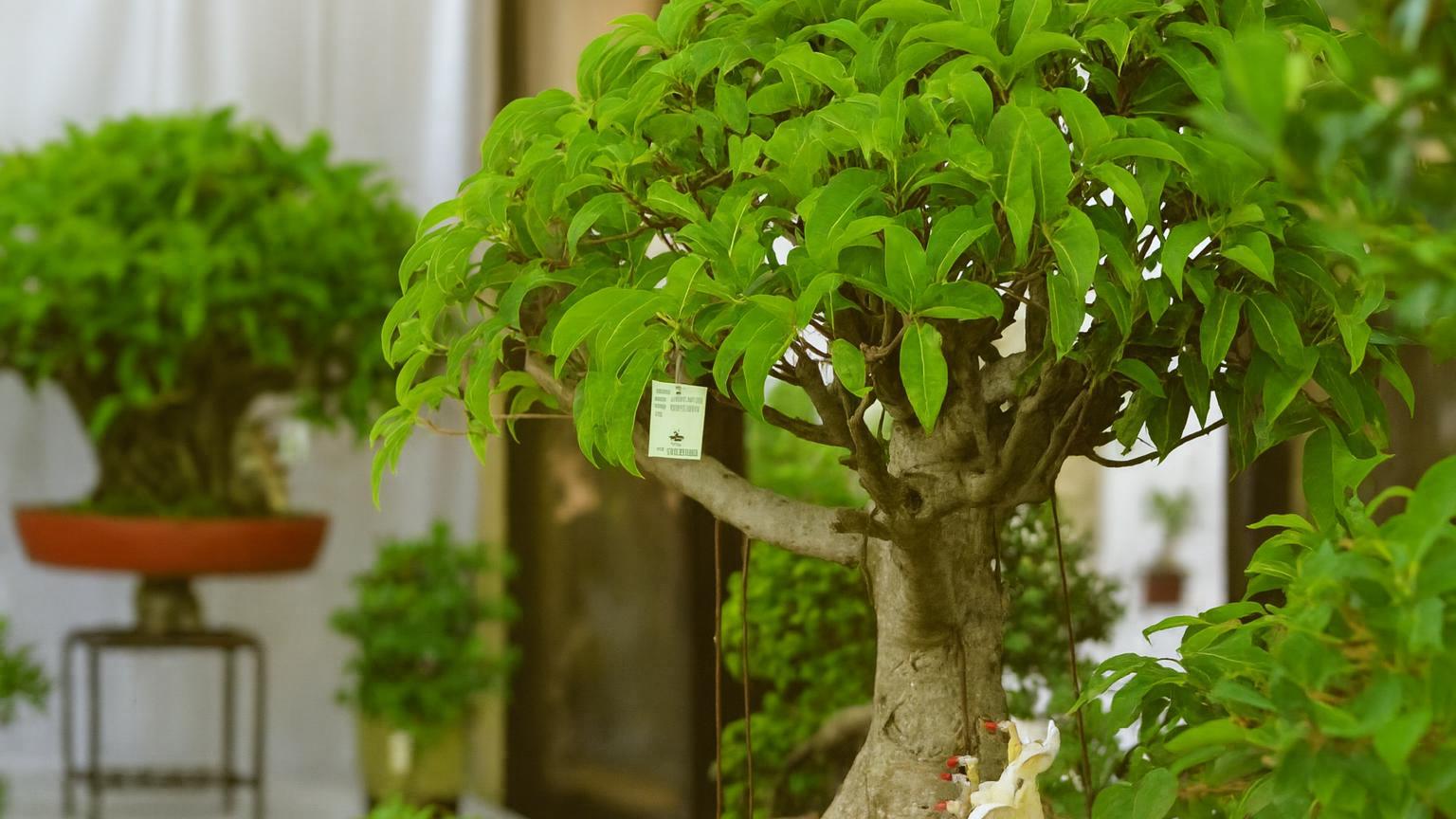
We find this scene genuinely instructive, and not simply because it is heartening to see bonsai command serious attention in South Asia’s growing cities. What strikes us is the specific tree at its centre: Ficus benghalensis, the Indian banyan, being sold and understood as bonsai in a country where it grows wild to cathedral scale. That gap between the familiar and the miniaturised is exactly where bonsai does its deepest work on the human imagination.
What Most Guides Get Wrong About Tropical Ficus Bonsai
Here is where we want to push back against received wisdom. The majority of English-language bonsai guides treat Ficus species as beginner trees — forgiving, fast-growing, ideal for newcomers — and then move on. What they consistently understate is the importance of managing aerial root development in species like F. benghalensis as a deliberate design element, not an afterthought. The banyan’s signature curtains of aerial roots are not decorative accidents; they are structural features that, left unguided for years, will either define or destroy the visual balance of a composition. In a humid tropical or subtropical climate like Chattogram’s, those roots can fuse to the trunk and thicken meaningfully within a single growing season. In drier, heated apartments further north, they may never develop at all unless humidity is actively managed above 60 percent.
Islam’s description of bonsai technique — pruning and careful nurturing to maintain a dwarf form without genetic modification — is accurate as far as it goes, but it omits the single most common structural error we see in urban apartment bonsai: repotting on a calendar schedule rather than a root-health schedule. For a mature tropical Ficus bonsai, repotting every two years is a popular recommendation. In our view, it is a lazy one.
A Concrete Technique: Root-Check Repotting for Mature Tropical Ficus
- In late spring — for tropical species in indoor conditions, after the longest period of active growth — lift the tree from its container without disturbing the root ball.
- Examine whether roots are visibly circling the base of the mass or escaping the drainage holes. If neither is true, return the tree to its pot. Do not repot.
- If circling roots are present, reduce the root mass by no more than one-third, cutting cleanly with sterilised scissors rather than tearing.
- Use a fast-draining mix weighted toward akadama and coarse pumice at roughly 60/40 — not standard potting compost, which retains moisture at a level that invites root rot in containers without generous airflow.
- After repotting, withhold fertiliser for six to eight weeks to avoid burning compromised roots, then resume with a balanced slow-release formula as new foliage hardens off.
A 47-year specimen like the Chattogram banyan has presumably survived through exactly this kind of disciplined restraint. Intervention only when the tree demands it, not when the grower feels the urge to do something.
Our Take
The Chattogram fair is a useful reminder that bonsai markets grow fastest where urban density is highest and outdoor space is scarce. Apartment balconies and drawing-room corners are not consolation prizes for people who cannot afford gardens; they are genuine creative environments, and the plants chosen for them deserve the same rigorous horticultural thinking applied to any outdoor specimen. If you are part of a local community of growers sharing exactly this kind of practical knowledge, you may already know that those informal networks are extraordinarily valuable — we have argued as much in our piece on why local bonsai societies are the most underrated resource in the hobby.
Actionable takeaway: If you are growing a tropical Ficus bonsai indoors right now, check your drainage holes today. Visible root escape is your clearest signal that the tree is ready for the root-check process above — regardless of what month the calendar says.
Source: Bangladesh Sangbad Sangstha, 16 August 2026
By Redazione Bonsai World
Article researched and written with AI assistance and reviewed by the Bonsai World editorial team.