
When Architecture Listens to Bonsai: What Designers Get Right That Growers Often Miss
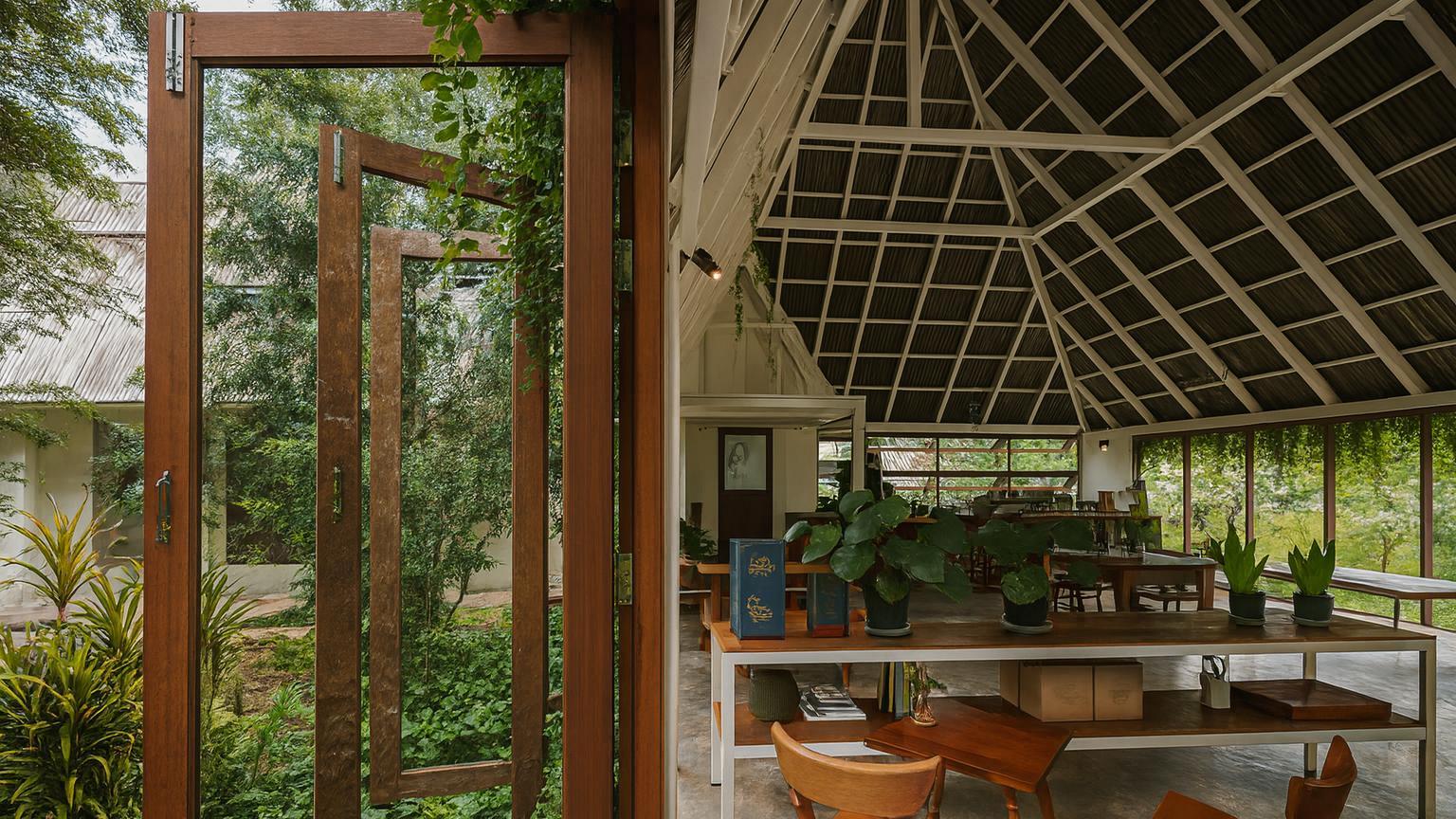
We spend a great deal of time at Bonsai World discussing soil composition, back-budding on Juniperus chinensis, and the precise window for repotting Acer palmatum in early spring. But every so often, something from outside the horticultural world catches our attention and reframes the art entirely. The Casa Bonsai project by Studio Miti, photographed by Spaceshift Studio and featured on ArchDaily, is one such case. An architect named a residential project after bonsai — and in doing so, illuminated something we think the broader bonsai community quietly gets wrong.
The Name Is Not Decoration
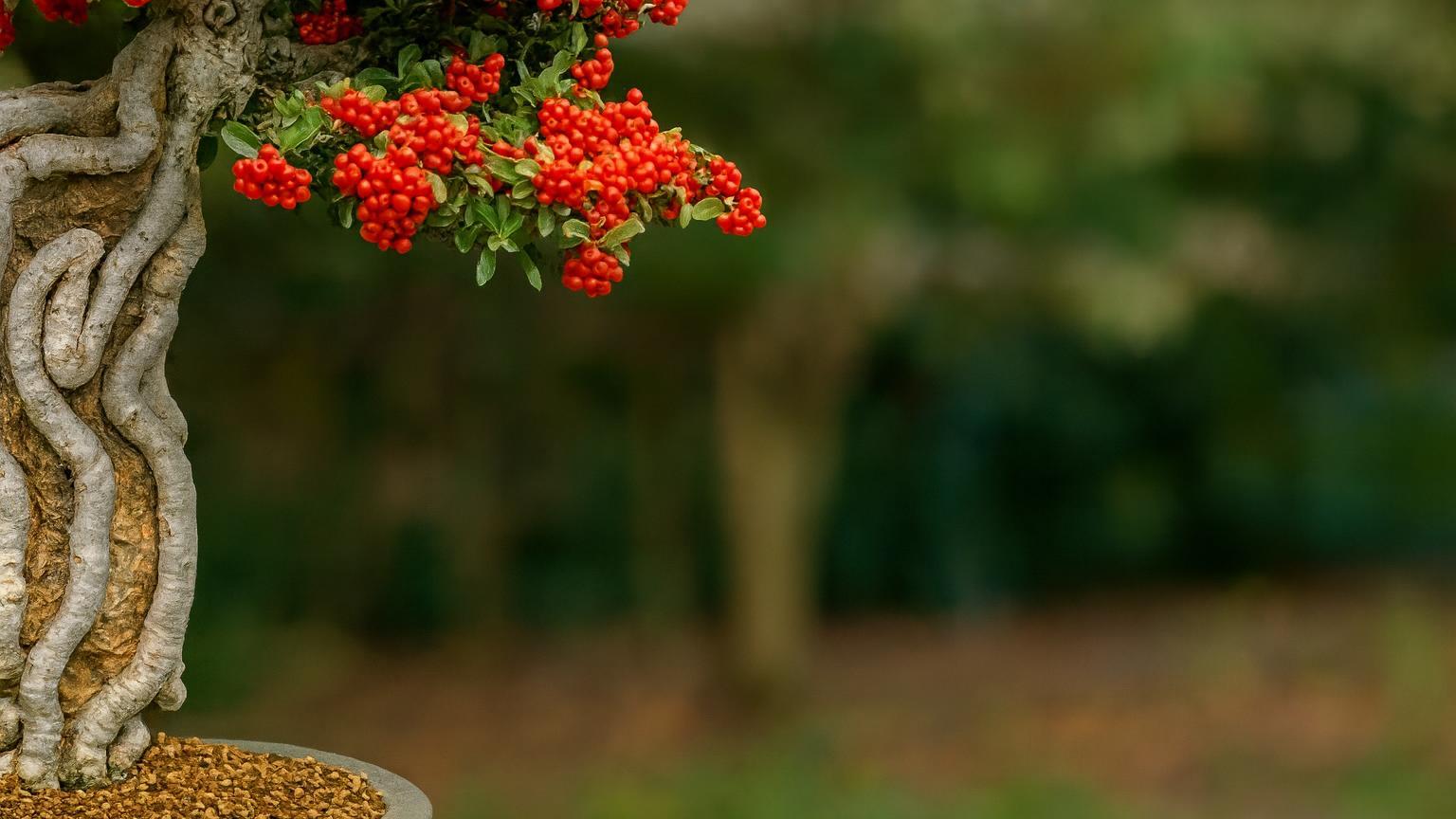
When an architect chooses to name an entire house after bonsai, they are not reaching for a trendy Japanese aesthetic shorthand. They are making a structural argument: that deliberate reduction, patient shaping, and the tension between containment and vitality can govern a building just as surely as they govern a Pinus thunbergii trained over fifteen years into a windswept literati form. The architecture community understands, at least intuitively, that bonsai is a spatial philosophy — not merely a horticultural hobby.
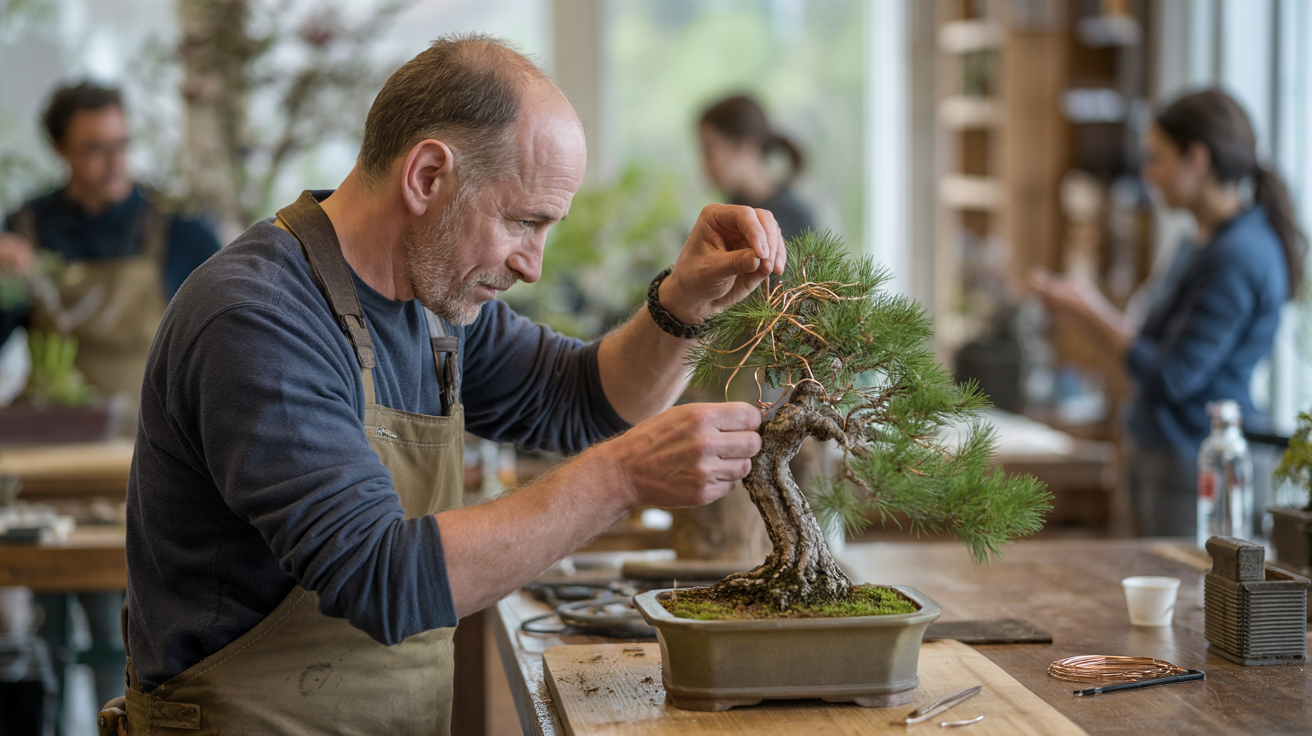
We would argue that many enthusiasts, particularly those new to the art, invert this understanding entirely. They see bonsai as a set of tasks — wire here, prune there, water at this interval — rather than as a continuous act of seeing and deciding what to remove. The result is trees that are technically maintained but visually incoherent, with no clear primary branch hierarchy and no negative space that does real compositional work.
What Most Guides Get Wrong About Space
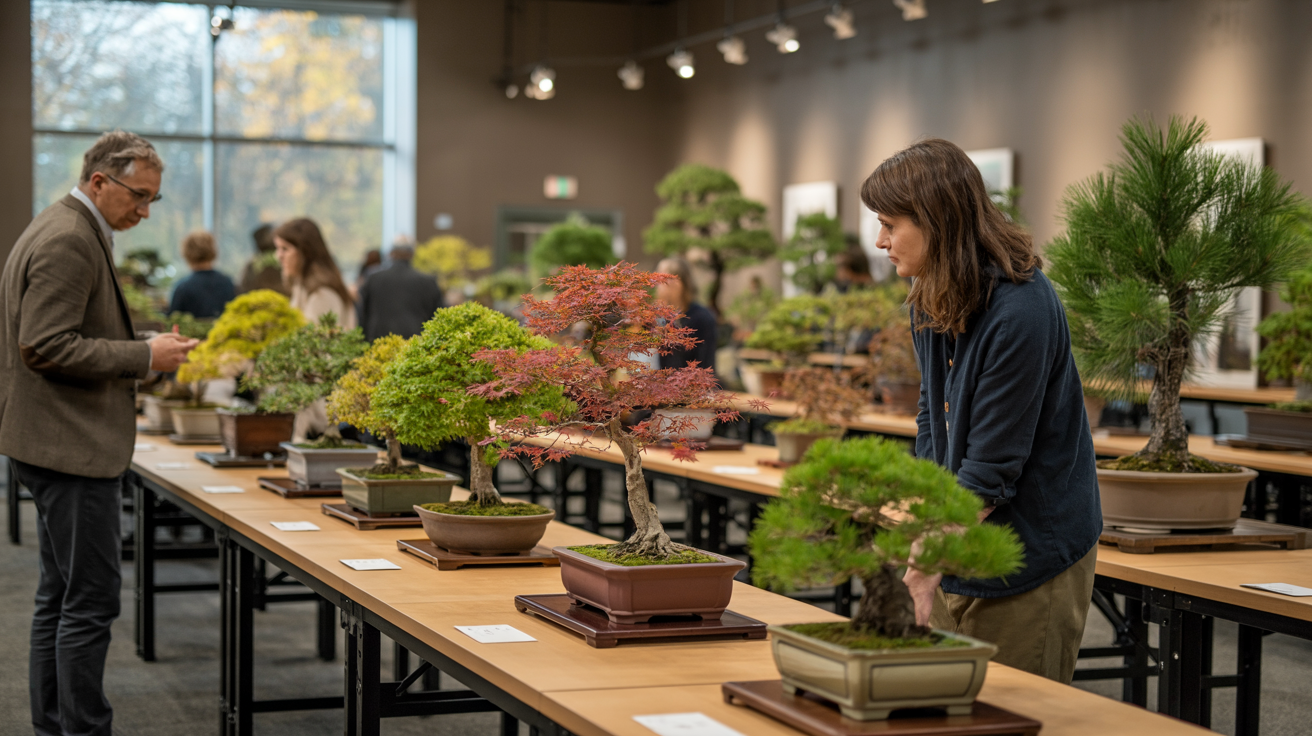
Standard introductory guides will tell you to remove crossing branches and trim back to two or three leaves. What they rarely explain is why negative space matters structurally, not aesthetically. Negative space in a bonsai is not empty — it is where the viewer’s eye travels between points of interest. Collapse it with over-dense foliage and the tree reads as a green blob regardless of nebari quality or pot choice.
This is precisely the lens through which architecture like Casa Bonsai becomes useful to us. Architects are trained to think about voids as load-bearing elements of visual experience. We think bonsai growers should borrow that exact mental habit. For a deeper look at how structural thinking can cross disciplinary lines in surprising ways, our own piece on What a Bioinformatics Algorithm Named “Bonsai” Teaches Us About the Art of Seeing Structure Clearly covers related ground from a completely different angle.
One Concrete Technique: The Silhouette Audit
Here is something actionable you can apply today, before your next pruning session on any broadleaf species:
- Place your tree on a turntable or rotating stand in front of a plain white wall in bright diffuse light — overcast morning light outdoors is ideal in late spring or early autumn when foliage is fully developed but not stressed.
- Photograph the primary viewing angle in silhouette by slightly underexposing the shot on your phone so the tree reads as a dark form against the bright background.
- Study only the outline. Ignore colour and texture entirely. Ask: does this silhouette have a clear apex, a readable taper, and deliberate gaps that lead the eye through the composition?
- Mark any branch that fills a gap you actually want to keep empty. Those branches are your first candidates for removal, not the crossing ones the textbook always targets first.
Our Take
When architecture borrows the name and philosophy of bonsai, it is paying us a real compliment — and issuing a quiet challenge. The discipline we practice is legible enough, structurally rigorous enough, to organise an entire building around. We should hold our own practice to that standard. The silhouette does not lie, and neither does an architect’s floor plan. Both are exercises in deciding what stays and what, respectfully, must go.
Actionable takeaway: Before your next pruning session this season, run the silhouette audit above on whichever tree you are planning to work. Do it before you pick up a single tool. In our experience, it changes which branch you cut first — almost every time.
By Redazione Bonsai World
Article researched and written with AI assistance and reviewed by the Bonsai World editorial team.