
Why Autumn Is the Season Bonsai Artists Should Be Crashing Garden Events
Every autumn, botanical gardens and arboreta across North America host harvest festivals — pumpkin carving, hayrides, guided hikes through turning foliage. Most bonsai growers scroll past the event announcements without a second thought. We think that’s a missed opportunity, and not a small one.
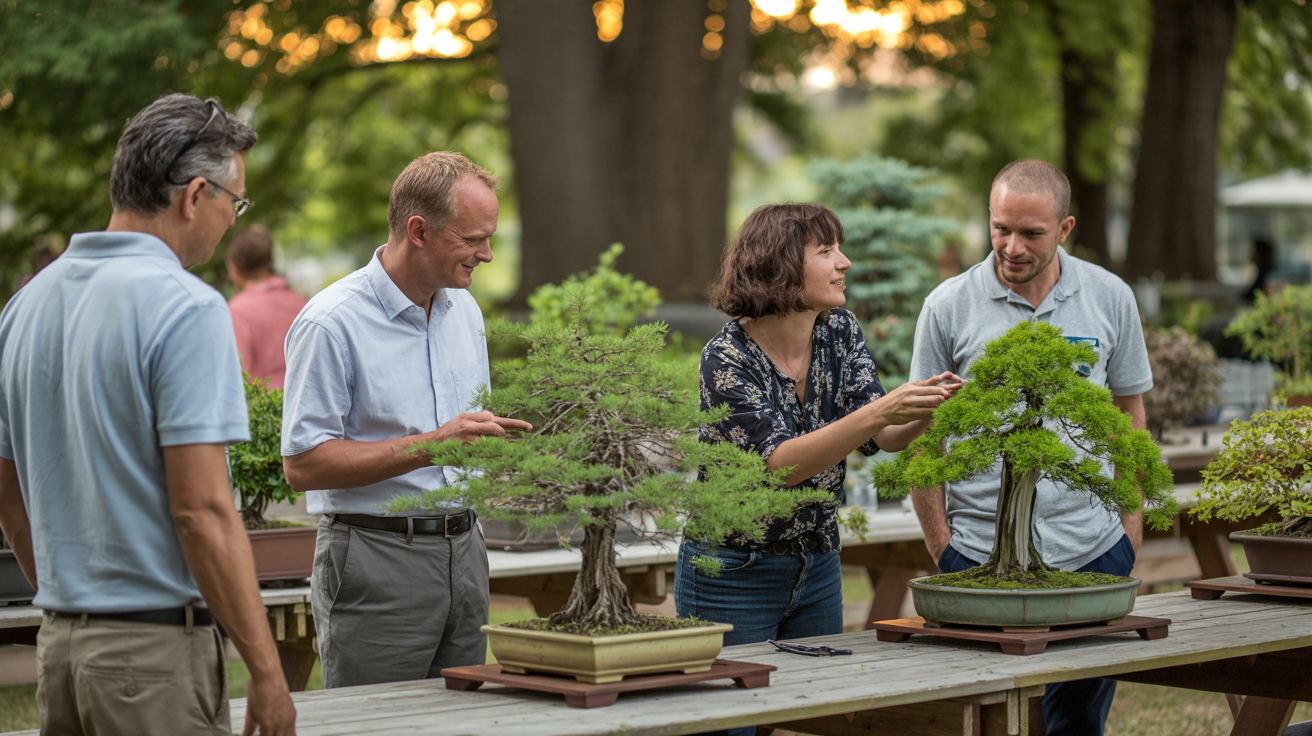
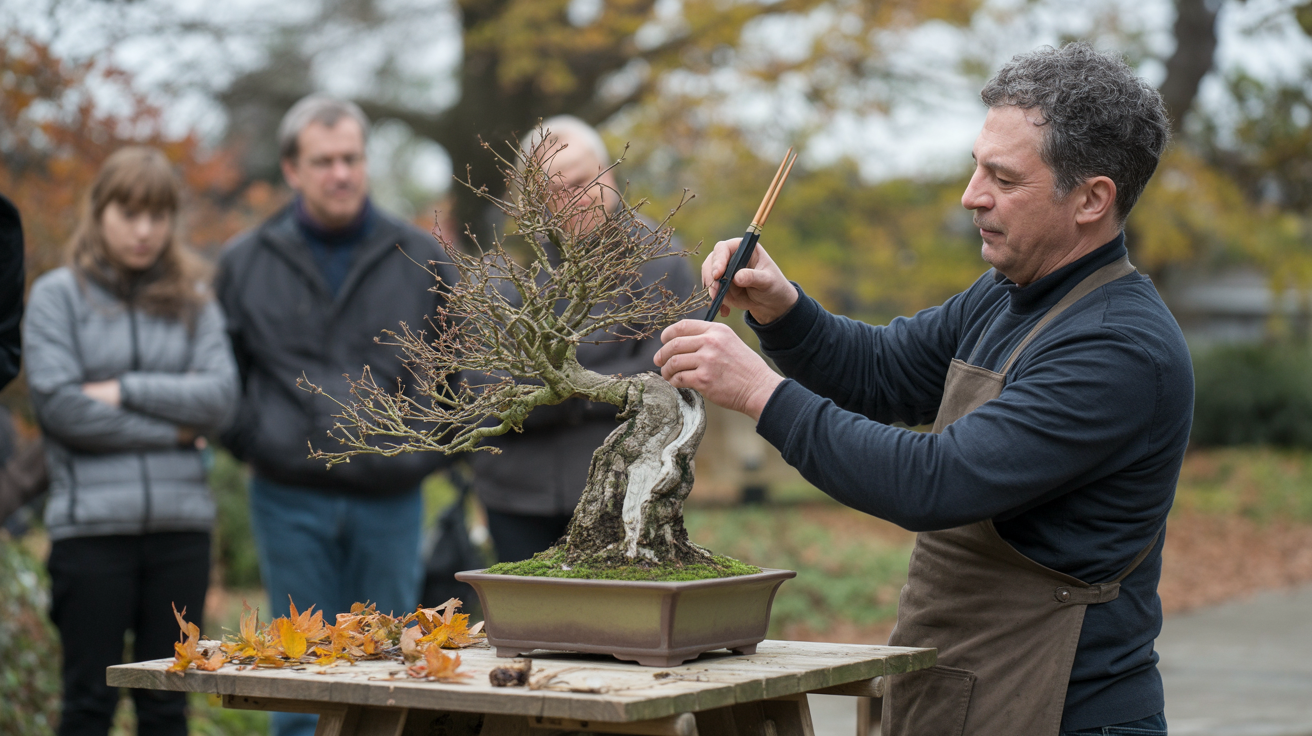
When bonsai artists show up at these mixed-programming events — the kind recently covered by MLive in the context of an Irish Hills, Michigan garden blending fall hiking with live bonsai artist demonstrations — something quietly powerful happens. The audience isn’t a room full of converts. It’s families who came for the gourds. And that friction is exactly what the bonsai community needs more of.
What Most Guides Get Wrong About Autumn Demonstrations
The standard advice for exhibiting bonsai in autumn tells you to bring your showiest material — something with vivid color change, ideally a Japanese maple (Acer palmatum) or a trident maple (Acer buergerianum). In our view, this is exactly backwards for a mixed public event. Deciduous trees mid-color-change are visually striking, yes, but they invite the single most unhelpful question in bonsai outreach: “Is it dead?”
What actually works at harvest-season garden events is bringing a well-ramified collected native — a bald cypress (Taxodium distichum) still holding its feathery rust-orange needles, or a mature hornbeam (Carpinus caroliniana) with intact foliage and visible taper — paired with a second tree that is completely bare. Showing that contrast deliberately, with a two-sentence explanation of deciduous dormancy, converts more curious visitors into committed newcomers than any single spectacular specimen could on its own.
The Technique Autumn Events Actually Call For: Live Deadwood Refinement
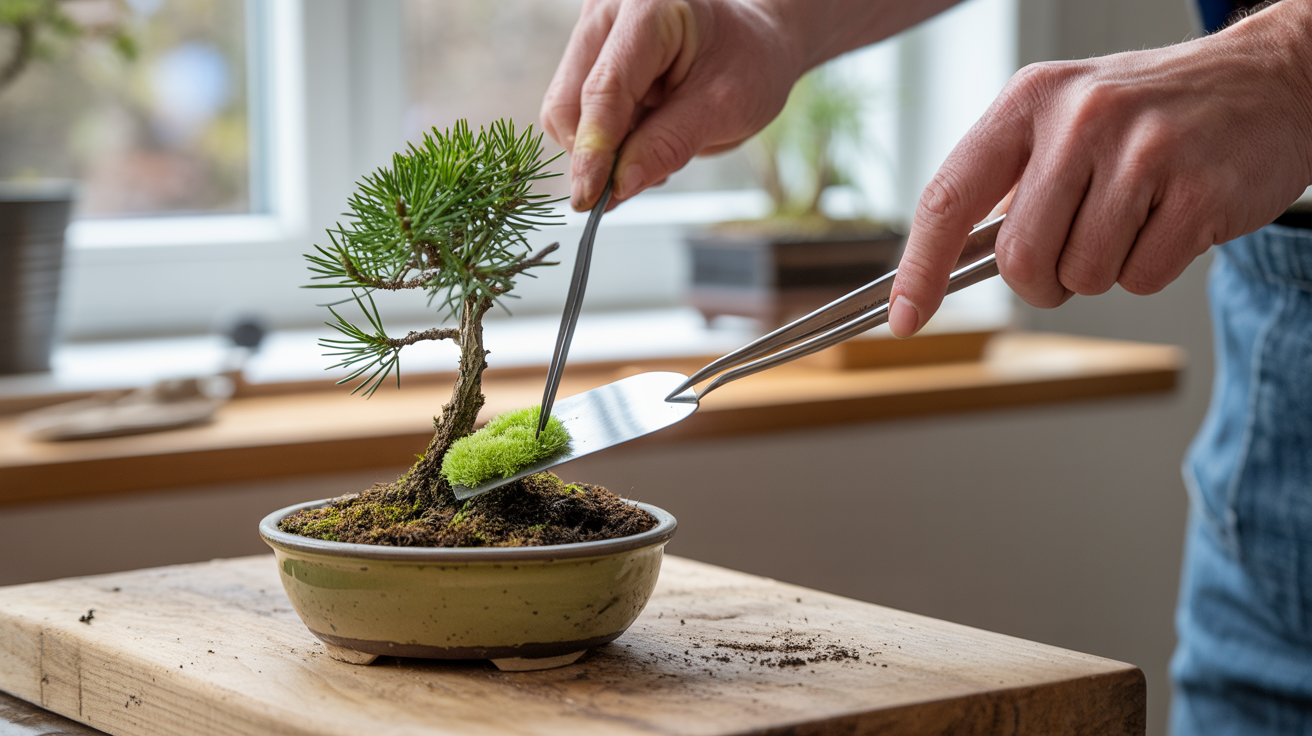
If you’re doing a live demonstration at an outdoor autumn event, skip repotting (wrong season, wrong message) and skip heavy pruning (alarming to a lay audience). Instead, demonstrate jin refinement on collected material. Here’s a practical sequence that works in a 20-minute public slot:
- Select a branch stub on an existing jin that has dried fully since the previous growing season — dry, light gray, with no green beneath the bark when scratched.
- Use a small wire brush to remove any loose surface fiber, working with the grain of the wood, not across it.
- Apply lime sulfur with a fine brush in thin coats, allowing the first coat to penetrate before adding a second. October temperatures between 7°C and 15°C slow drying time, so allow at least 90 minutes between coats outdoors.
- Explain to the audience what the jin represents: a lightning strike, a browse line, the evidence of age. This is the moment a non-grower understands that bonsai is not topiary.
This demonstration is low-mess, visually clear, and tells a story. It also honestly represents what bonsai practice looks like on an ordinary afternoon, not just on show day.
Our Take
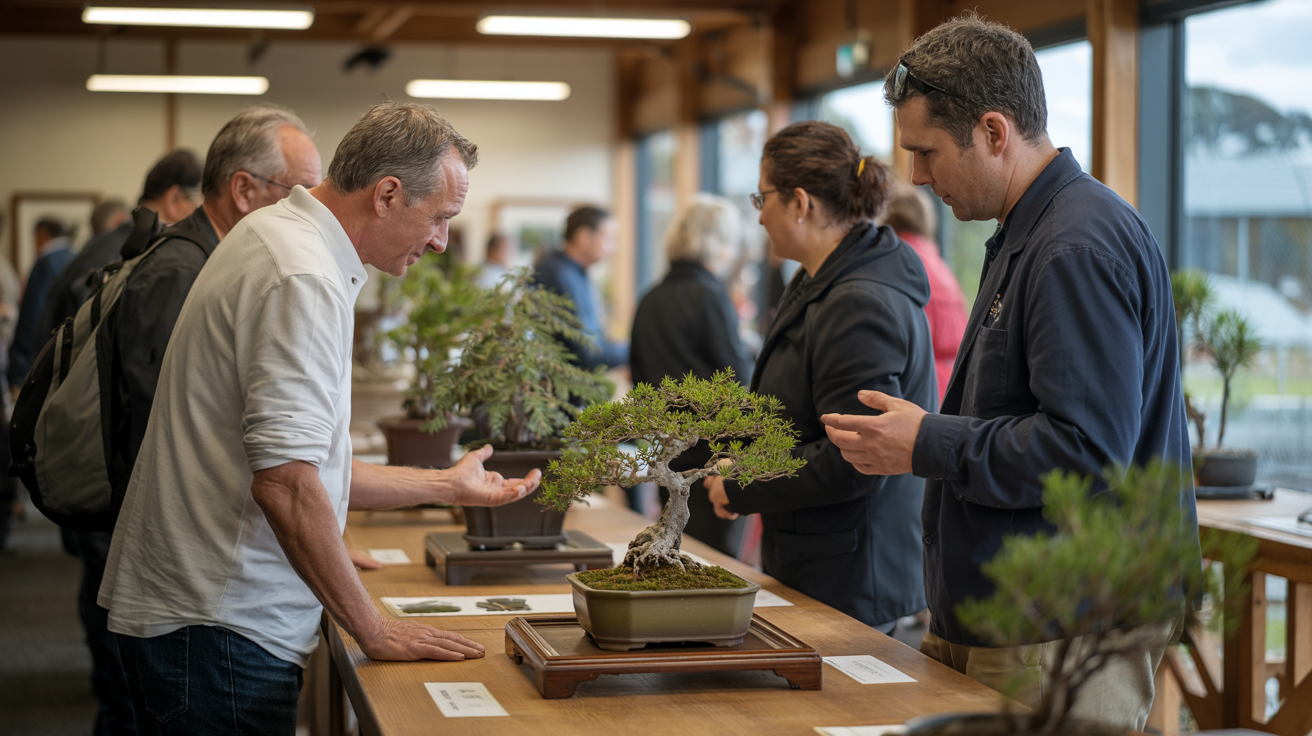
We’d argue the bonsai community underestimates how much ground-level visibility matters for the art form’s long-term health in any given region. A dedicated bonsai show reaches enthusiasts who already know the vocabulary. A harvest festival reaches someone who has never heard of nebari. Both matter — and as we’ve explored in our piece on why your local bonsai show is doing something national events can’t, regional community presence consistently outperforms prestige exhibitions when it comes to growing a new generation of practitioners.
Actionable Takeaway
Contact one botanical garden or arboretum within 40 miles of you this week and ask whether their autumn programming has space for a bonsai table. Bring two trees, not six. Bring the contrast. Let the season do the explaining.
By Redazione Bonsai World
Article researched and written with AI assistance and reviewed by the Bonsai World editorial team.