
Why Your Local Bonsai Show Is Doing Something National Events Can’t
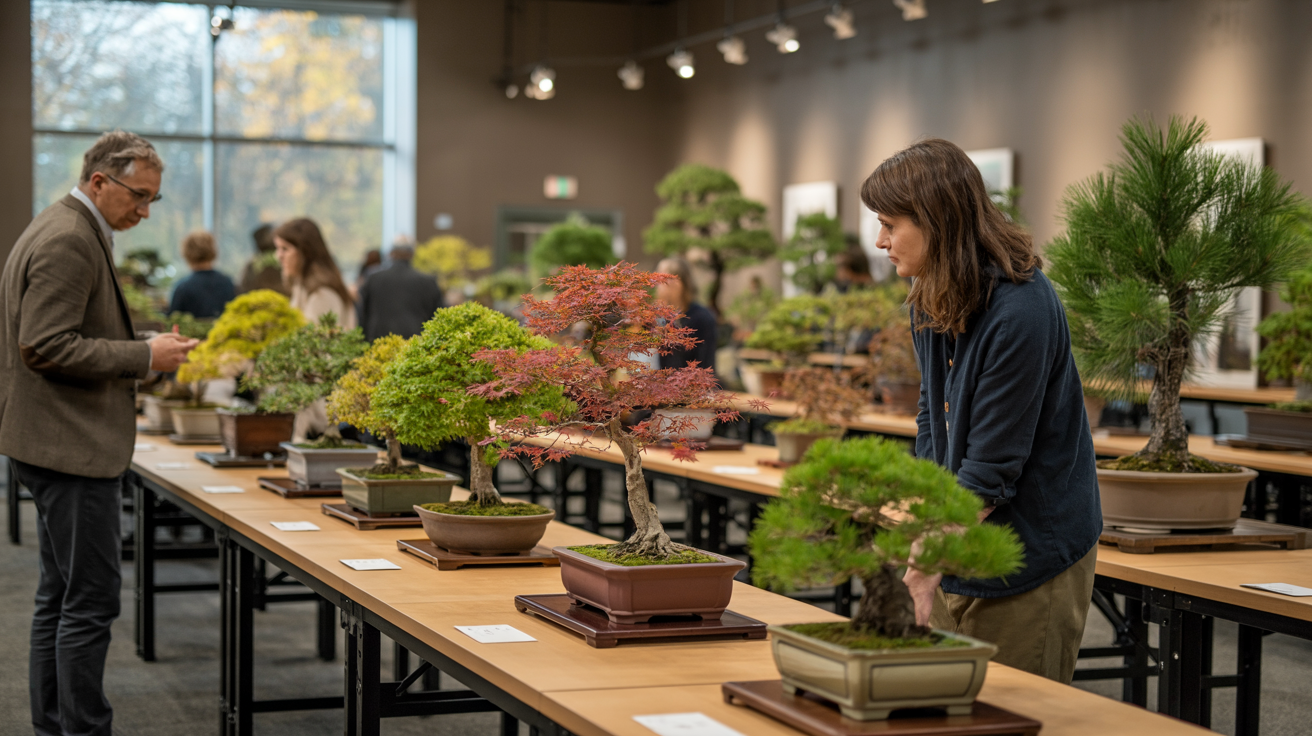
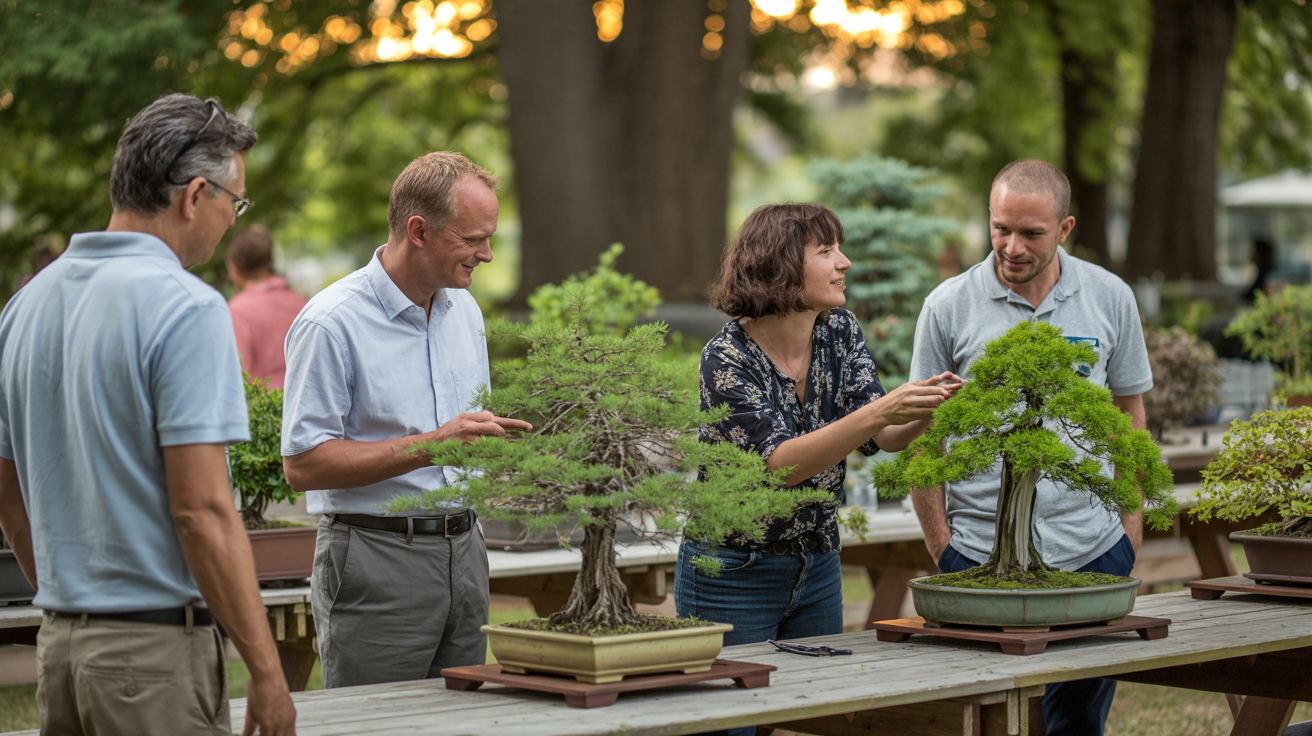
Regional bonsai exhibitions don’t get nearly enough credit, and the upcoming Michiana Bonsai Show at Wellfield Botanic Gardens in Elkhart, Indiana is exactly the kind of event that illustrates why. As reported by the South Bend Tribune, Wellfield — a genuine horticultural destination set on 36 acres — is opening its grounds to the Michiana Bonsai Society for a public show that brings living miniature trees into a broader botanical context. We think that pairing matters more than most people realize, and it points to something the wider bonsai community consistently undervalues.
What Most Guides Get Wrong About Show Attendance
The standard advice is to attend big national conventions if you want to learn fast. In our view, that gets it backwards for most growers below the intermediate level. National shows can overwhelm newcomers with complexity and variety — three hundred trees across forty species in a convention hall is spectacular, but it rarely answers the question a beginner is actually asking: why does my collected Eastern white pine look nothing like that?
Regional shows, by contrast, feature trees grown in the same climate zone, from the same seasonal rhythms, often collected from the same counties. When a Michiana exhibitor displays a bald cypress (Taxodium distichum) or a native American elm (Ulmus americana), they are showing you what is actually achievable within the frost patterns and humidity swings of the upper Midwest — not what a master in Osaka can coax from a centuries-old Juniperus chinensis. That specificity is irreplaceable, and it is almost never acknowledged in general-purpose bonsai guides that treat climate as a footnote.
We’d also argue that regional shows surface regionally appropriate species pairings that broader literature ignores entirely. In the Midwest specifically, Acer saccharum (sugar maple) and Quercus macrocarpa (bur oak) are far better long-term bonsai candidates for local growers than the Japanese maples that dominate most introductory books — yet you will almost never see them foregrounded unless you attend a show where someone local has been working one for a decade.
One Technique Worth Stealing From Midwest Exhibition Culture
Exhibitors in continental climates — where winters genuinely threaten roots and summers push trees hard — tend to be more disciplined about one specific practice than growers in milder zones: late-summer partial defoliation timed to harden extension growth before the first frost. Here is how to apply it to a deciduous native like Ulmus americana in this region:
- In mid-August, remove only the largest leaves from the outer canopy pads, leaving interior foliage intact.
- Do not fertilize with high nitrogen after this point; switch to a low-nitrogen, phosphorus-forward feed to encourage lignification.
- Allow the tree to set its own bud hardiness without forcing a second flush of soft growth.
- By mid-October, reduce watering frequency but do not allow the root ball to fully dry before your first hard freeze.
This sequence, which experienced Midwest exhibitors apply almost instinctively, significantly reduces dieback on fine branch tips over winter — the single most common complaint we hear from growers in USDA zones 5 and 6.
Our Take
Events like the Michiana show at Wellfield are not a consolation prize for growers who can’t travel to larger events. They are, in many ways, a more honest education. A botanical garden setting also does something a hotel ballroom cannot: it places bonsai in conversation with full-scale trees, giving viewers an intuitive feel for proportion and seasonal timing that no photograph can replicate. We have long believed this, and we have made the full case for it in our piece on Why Regional Bonsai Shows Are the Most Underrated Growth Tool in the Hobby.
Actionable Takeaway
Find one regional bonsai show within driving distance this season — not to observe passively, but to identify two or three displayed trees that share your climate zone and your target species. Ask the exhibitor specifically when they last repotted and what their winter protection looks like. That single conversation will teach you more than a month of reading general guides.
By Redazione Bonsai World
Article researched and written with AI assistance and reviewed by the Bonsai World editorial team.