
When a Town and Its Trees Grow Together: What 38 Years of Community Bonsai Practice Really Teaches Us
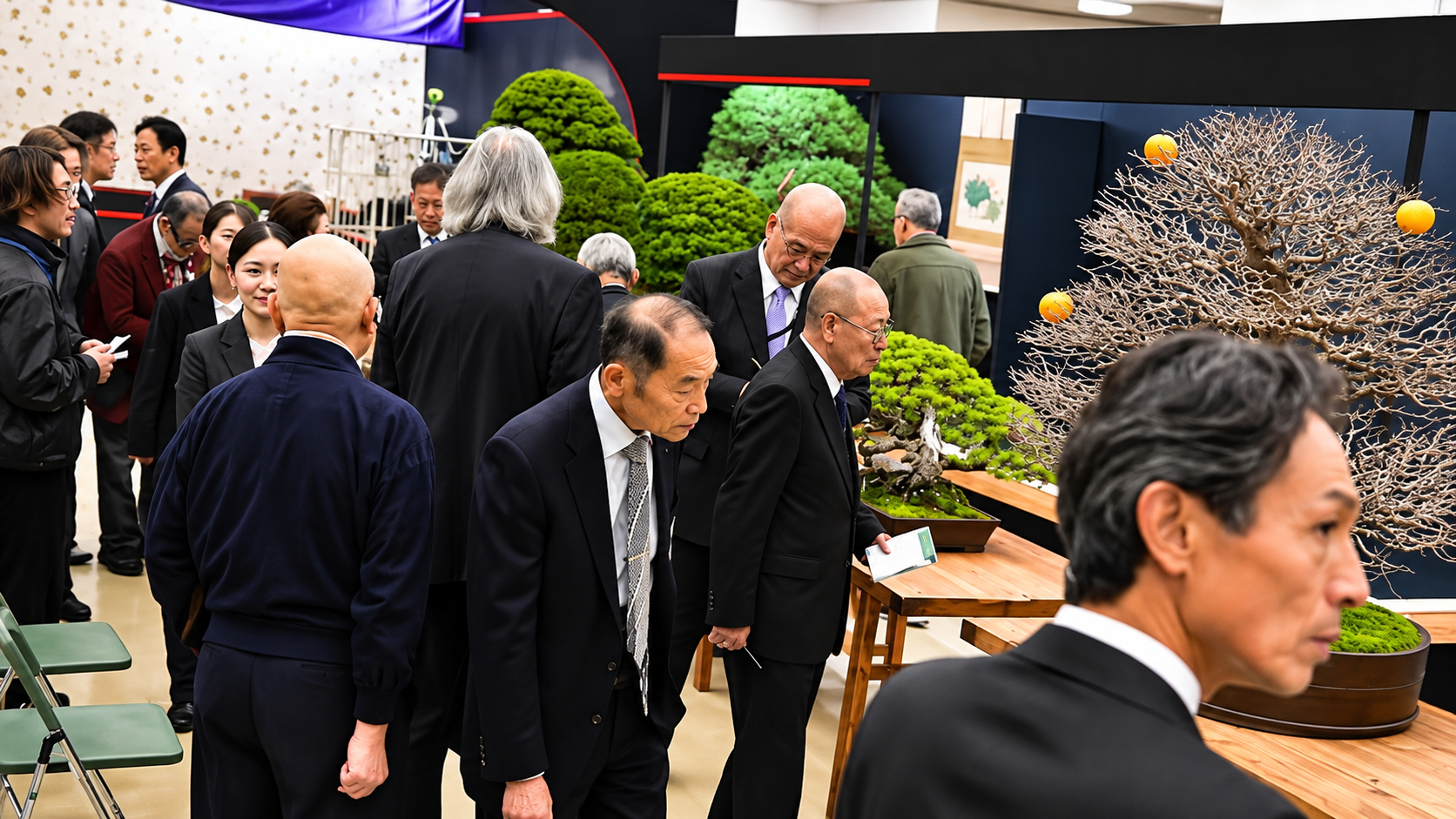
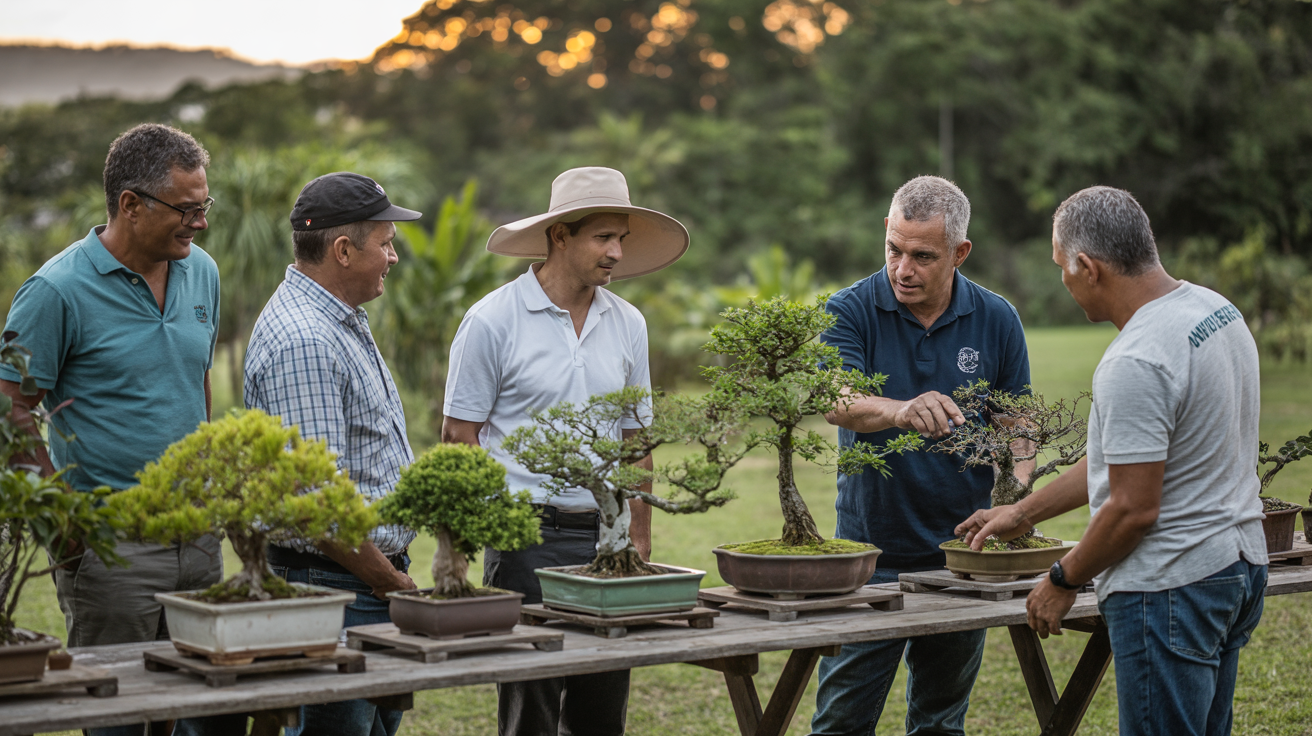
There is a version of bonsai history that gets told over and over — the solitary master, the mountain hermit, the single tree passed down through generations like a sacred object. What rarely gets told is the community version: a small town, a handful of dedicated growers, and nearly four decades of shared horticultural memory slowly woven into local identity. When a region in Santa Catarina, Brazil, builds 38 years of bonsai cultivation into its cultural fabric, as reported by Diário do Iguaçu, it deserves more than a local interest headline. We think it deserves a genuine reckoning with what long-term regional bonsai culture actually produces — and what most growers in isolation never develop.
What Most Guides Get Wrong About Bonsai Communities
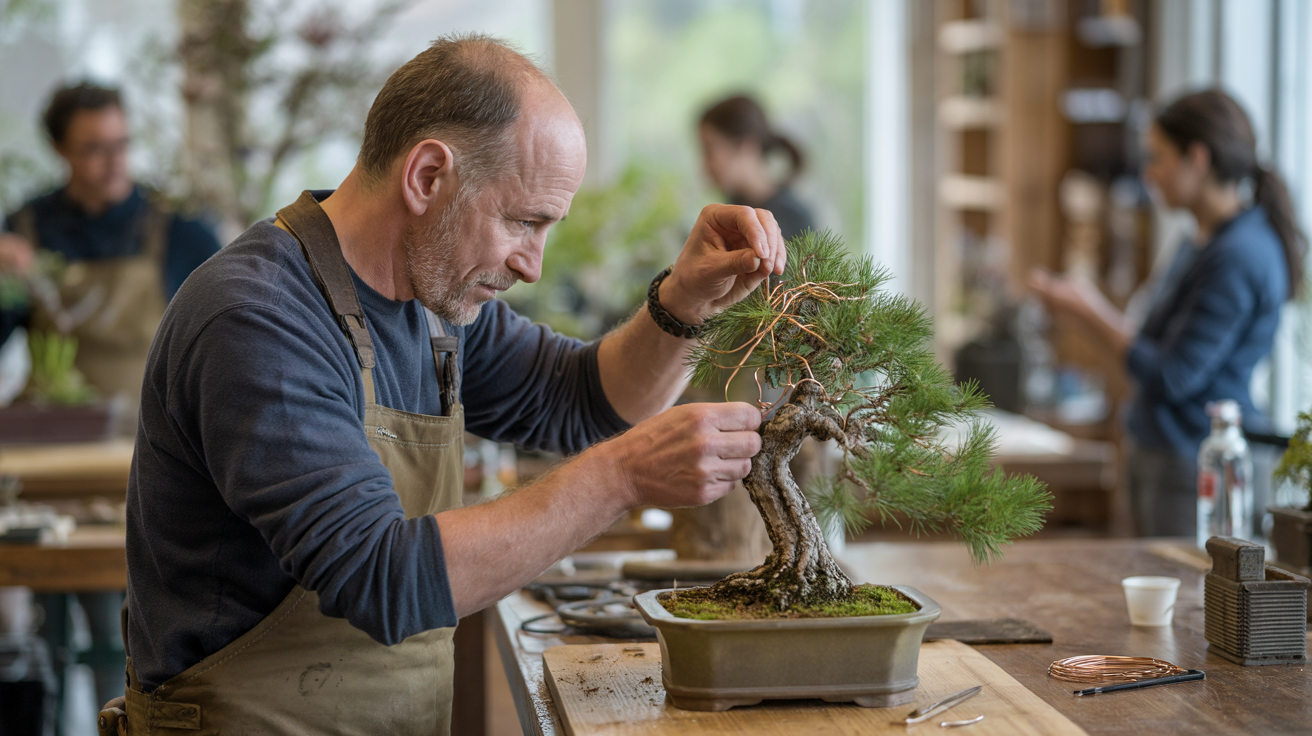
The standard beginner guide treats bonsai as an individual pursuit: buy a Ficus retusa, wire it in winter, repot in spring, done. What that model ignores is the irreplaceable value of accumulated local knowledge — the kind that only emerges when growers in a specific climate, with access to specific native material, share observations across decades. A community in southern Brazil working with subtropical species over 38 years will have developed intuitions about timing and vigor that no imported Japanese manual can replicate.
In our view, the most undervalued resource in bonsai is not a rare Juniperus itoigawa or an expensive imported pot. It is a neighbor who has been watching the same species in the same microclimate for thirty years. Southern Brazil’s humid subtropical climate — with its warm, wet summers and mild, dry winters — creates very different pressures on deciduous and tropical material than the continental climates most classical bonsai literature assumes. Growers working with native Brazilian species such as Ipê (Handroanthus spp.) or Pitanga (Eugenia uniflora) are navigating growth cycles that European-derived bonsai calendars simply do not account for.
The Detail a Generic Summary Would Miss
What strikes us about long-running regional bonsai communities in Brazil is how they tend to develop parallel aesthetic vocabularies — not copies of Japanese or Chinese styles, but hybrid sensibilities shaped by what local trees actually do. A community practicing for nearly four decades does not remain static. By that point, growers are working on trees that were started by their predecessors, inheriting not just plants but decisions: a specific nebari direction, a first branch set years before the current owner took over. That continuity is a form of living documentation that no photograph or article fully captures.
One Concrete Technique: Adapting Repotting Timing to Subtropical Rhythms
- For subtropical and tropical species in southern Brazilian climates, resist the spring repotting calendar copied from temperate-zone guides.
- Target repotting for the onset of the rainy season — typically October to November in Santa Catarina — when root regeneration is fueled by both warmth and consistent moisture.
- Use a coarser mix than you think necessary: aim for 60–70% inorganic component (pumice or coarse perlite) to prevent waterlogging during the region’s summer rainfall peaks.
- After repotting, avoid any structural wiring for at least eight weeks; root establishment in high-humidity conditions is faster but also more sensitive to above-ground stress.
Our Take
Community bonsai practice is not a softer or less serious version of the art. It is, we would argue, the only environment in which genuinely regional bonsai styles can emerge. The trees coming out of a 38-year local tradition carry something that solitary, internet-guided practice cannot replicate: accumulated disagreement, failed experiments remembered by name, and aesthetic choices tested against an actual peer group. If you are serious about developing trees that reflect where you live rather than where someone else lives, find your community before you find your next tree.
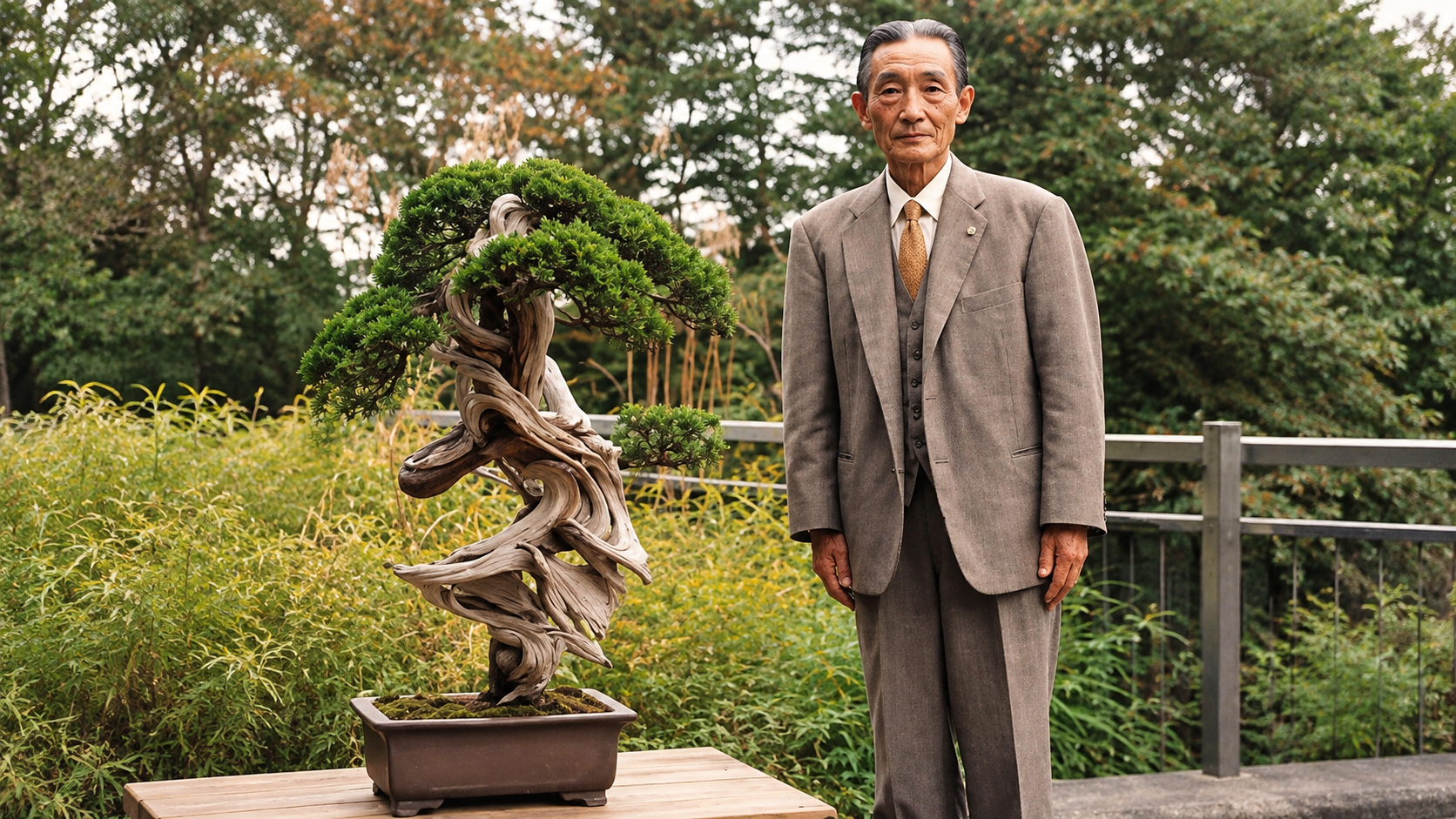
For a striking example of how deep individual commitment within a community context can produce something truly singular, see our piece on Fudo Bonsai. The Phantom Juniper.
Actionable Takeaway
This week, contact one local bonsai club or grower group within 50 kilometers of where you live. Attend one meeting before buying any new material. What you learn about your specific climate and native species in a single afternoon of conversation will outperform six months of solo research.
By Redazione Bonsai World
Article researched and written with AI assistance and reviewed by the Bonsai World editorial team.