
Kansai to the World: Why Japan’s Regional Bonsai Culture Deserves a Closer Look
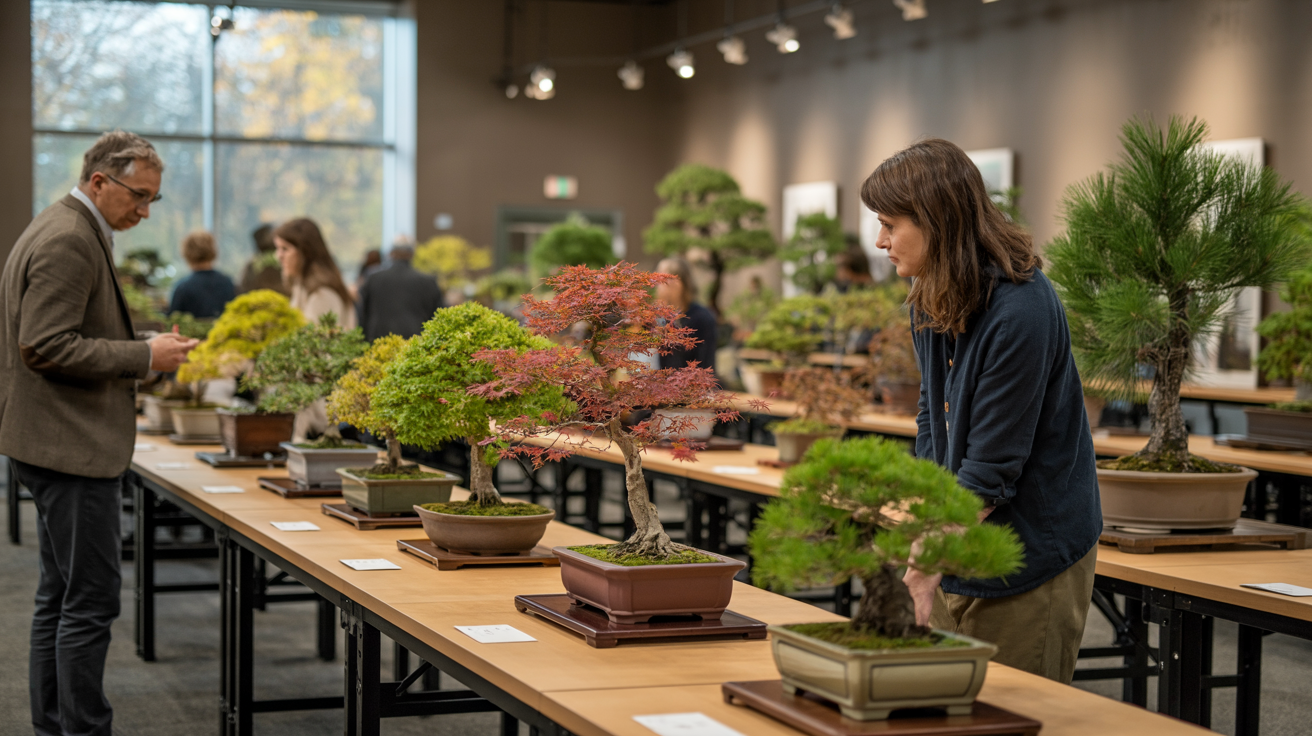
There is a tendency in Western bonsai circles to treat Japanese bonsai culture as a single, monolithic tradition — Tokyo exhibitions, Omiya masters, the famous Kokufu-ten, and not much else. We think this framing does a disservice to the enormous regional diversity that actually drives the art forward. The renewed spotlight on Kansai — the cultural heartland encompassing Kyoto, Osaka, and Kobe — as a launchpad for Japanese aesthetic sensibility in bonsai is a timely reminder that some of the most important creative tension in the art happens far from the capital.
Why Kansai Matters More Than Most Guides Admit
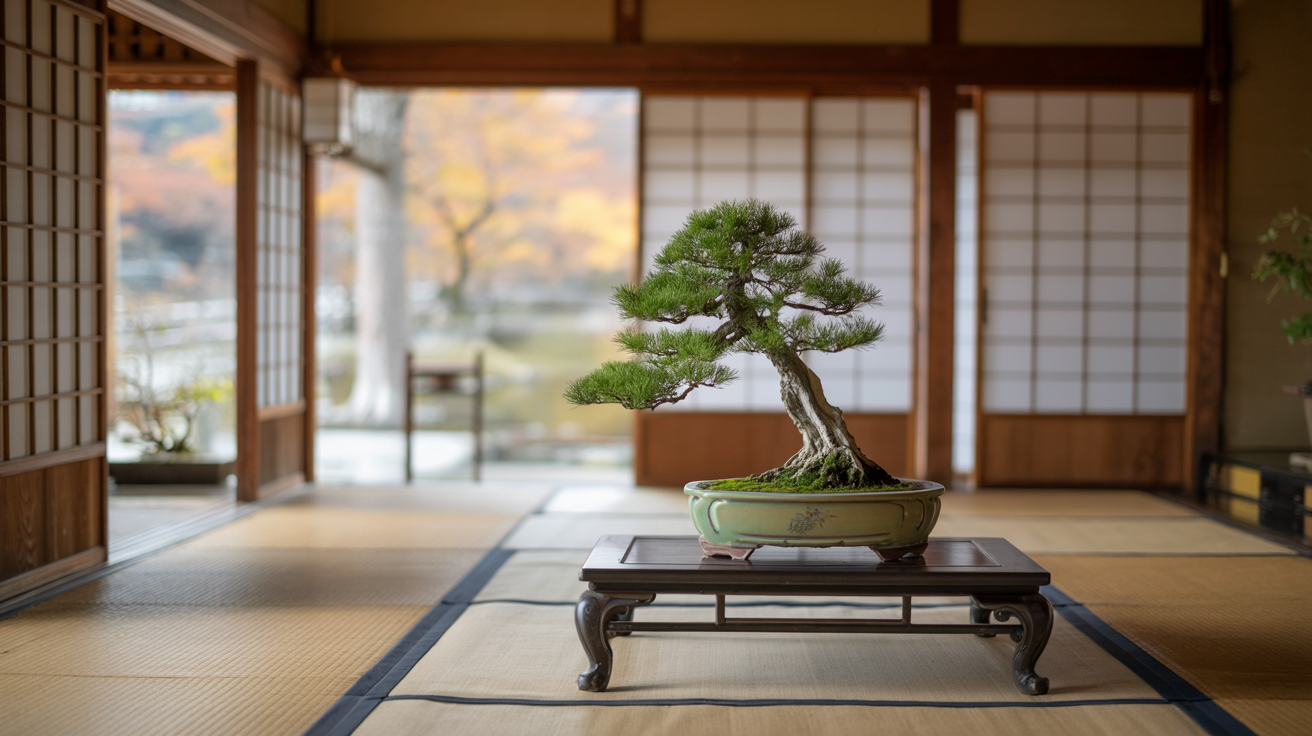
Most introductory bonsai guides describe Japanese influence as if it flows in one direction: ancient Chinese roots, Japanese refinement, then global export. What that story misses is how Kansai’s particular visual culture — wabi-sabi grounded in Kyoto’s temple gardens, the mercantile boldness of Osaka aesthetics, the port cosmopolitanism of Kobe — has historically pushed bonsai toward a quieter, more asymmetric expressiveness than the sometimes theatrical forms favored in Kanto-area competition trees. Kyoto-influenced literati style (bunjin-gi) pines, for instance, carry a restraint that is not an absence of technique but an accumulation of deliberate negative decisions: which branch not to keep, which apex not to close.
In our view, Western growers who study only competition-circuit photographs end up chasing a heavily edited ideal. The Kansai sensibility asks a different question: what is the minimum intervention that communicates the tree’s age and character? That is a discipline worth importing.
What This Means Practically for Growers
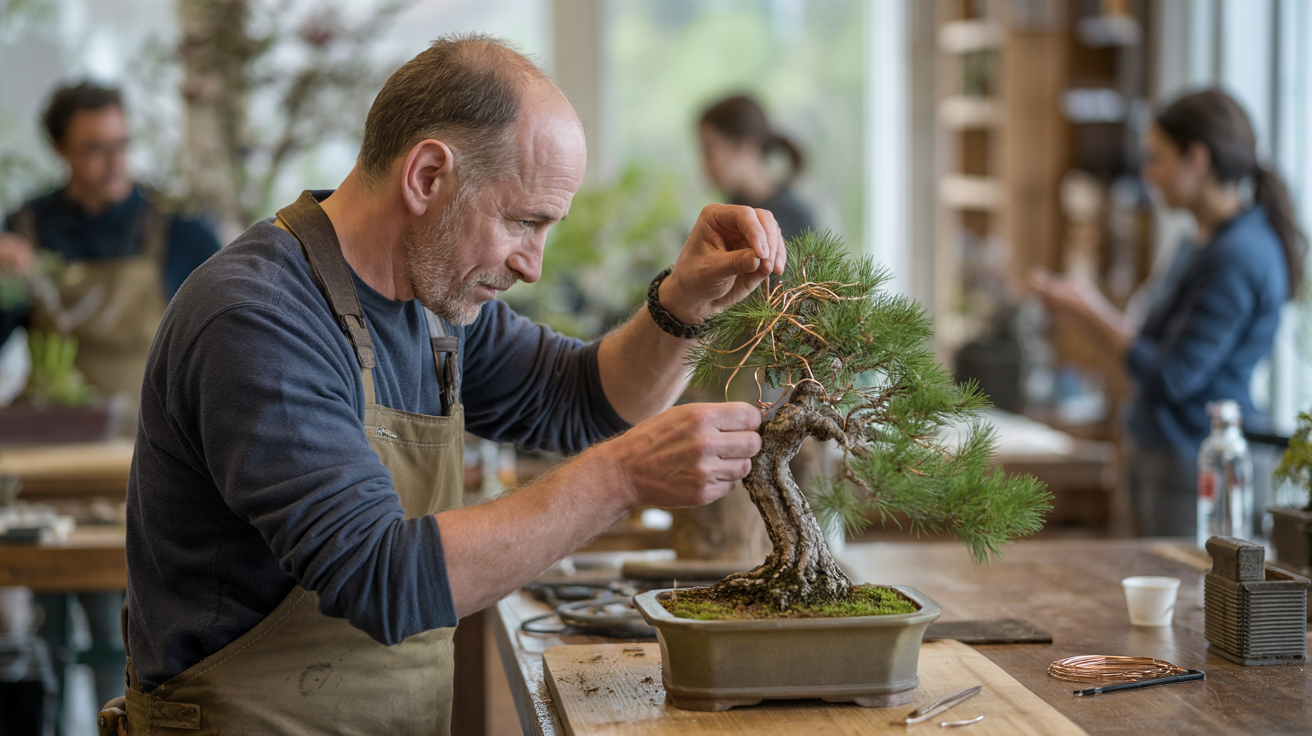
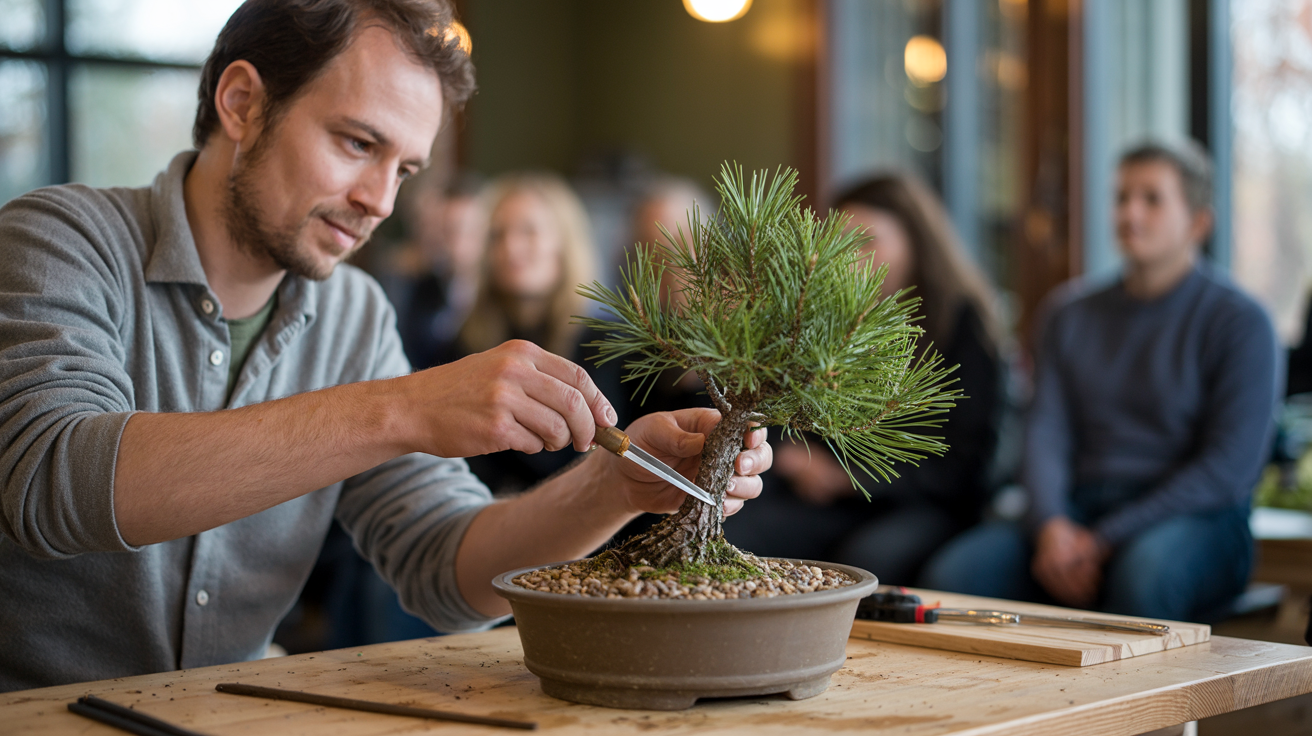
If you grow Japanese black pine (Pinus thunbergii) or Japanese white pine (Pinus parviflora) and feel frustrated that your tree never looks “settled,” the Kansai approach offers a concrete corrective. Many guides instruct beginners to wire and position every branch. The overlooked step is deliberate subtraction in late autumn, after the second flush has hardened. Here is a stripped-down sequence we would recommend:
- In early to mid-November, assess the silhouette from three metres back before touching the tree.
- Identify any branch that competes with the primary line of the trunk — remove it entirely rather than shortening it, which creates a visual stutter.
- Leave at least one interior space — an open “window” — where sky is visible through the canopy. This is not neglect; it is a Kansai-inflected compositional choice.
- Do not wire the remaining branches for at least one full growing season after a significant removal. Let the tree redistribute its energy and show you where it wants to go.
This patience-first approach is precisely what the broader international conversation about bonsai — currently expanding through regional associations across Europe and Asia — keeps rediscovering. If you want to understand how a Western organisation has formalised similar principles of restraint and study, our article on UBI – Italian Bonsai Association: The Home of Bonsai in Italy gives useful context for how structured regional communities translate aesthetic philosophy into teachable practice.
Our Take
The push from Kansai to broadcast Japanese aesthetic values internationally is not cultural nostalgia — it is a live creative argument about what bonsai is for. We would argue that the art benefits most when regional voices stay distinct rather than converging on a single competition template. Growers everywhere gain when Kyoto’s temple-garden quietude and Osaka’s expressive confidence remain in productive disagreement.
The Kyoto Shimbun’s coverage of this Kansai-to-the-world initiative — reported via Google News — is worth reading as a signal that Japan’s most culturally dense region is actively thinking about how its bonsai heritage travels.
Actionable Takeaway
Today, before your next styling session, sit with your tree for ten minutes without tools in hand. Identify one branch you had planned to wire and ask whether removing it entirely would say more. That single act of restraint is where the Kansai sensibility begins.
By Redazione Bonsai World
Article researched and written with AI assistance and reviewed by the Bonsai World editorial team.