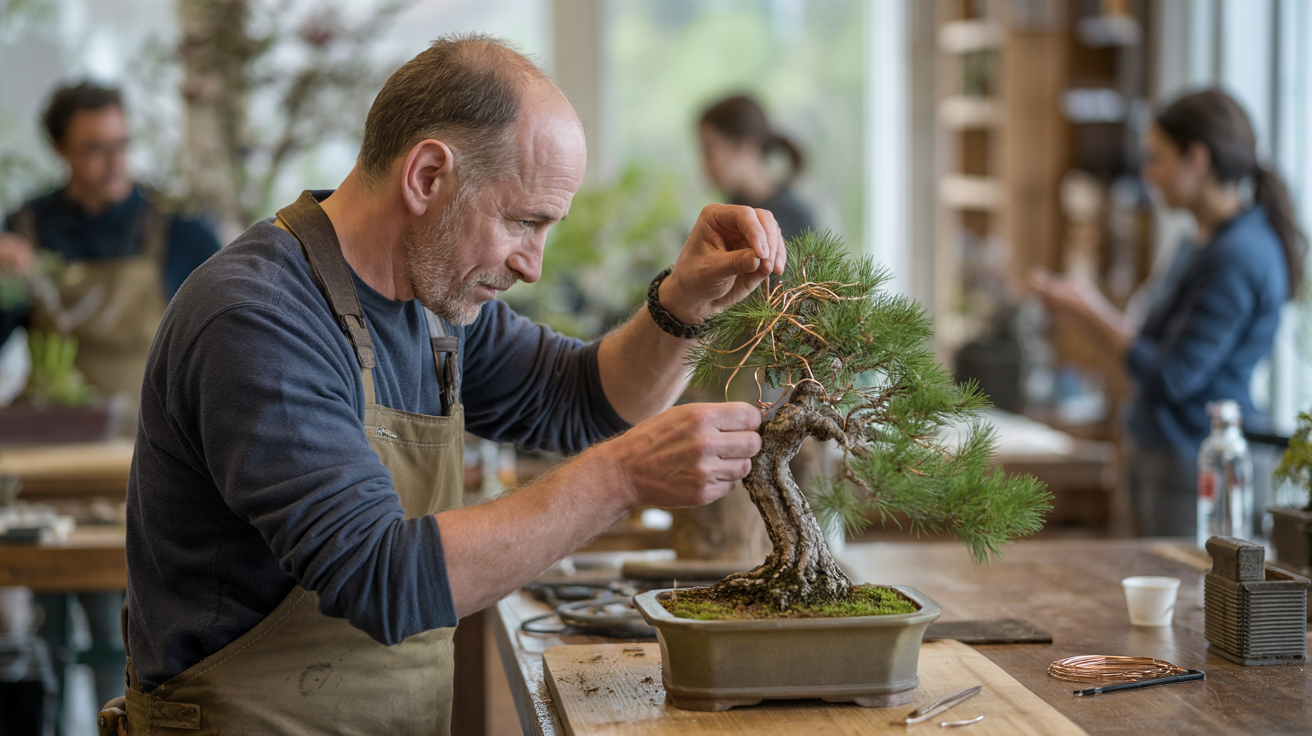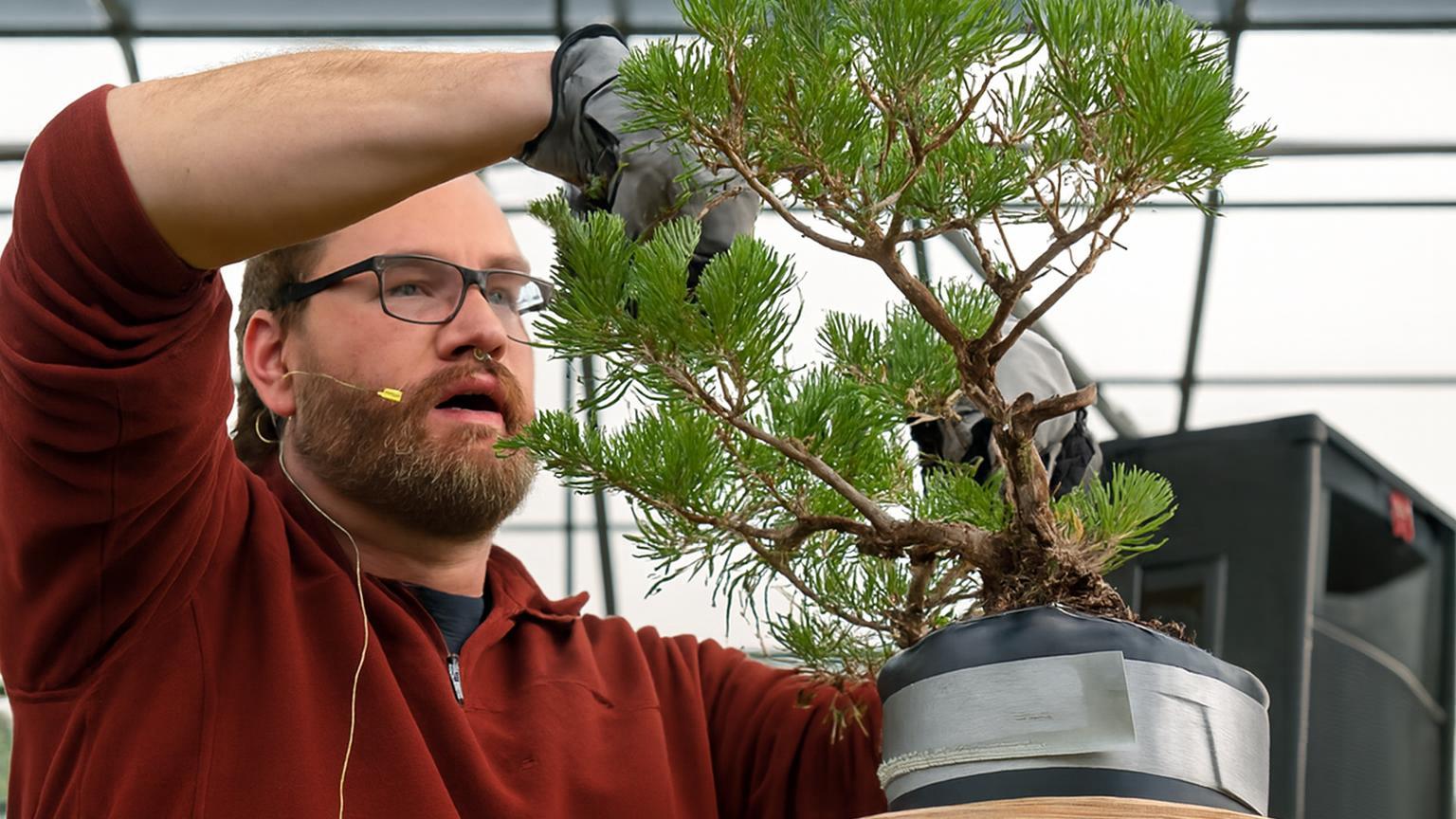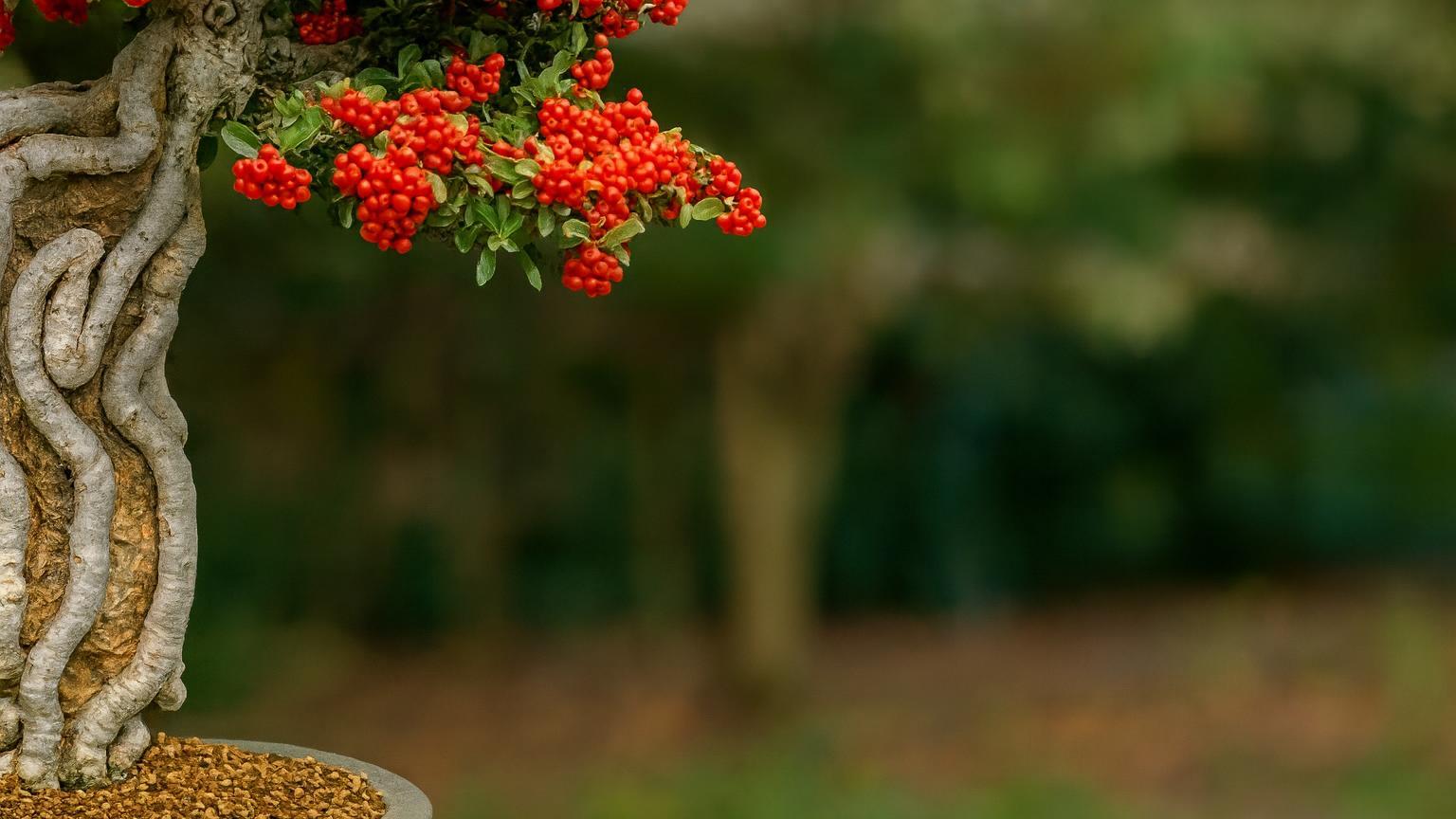

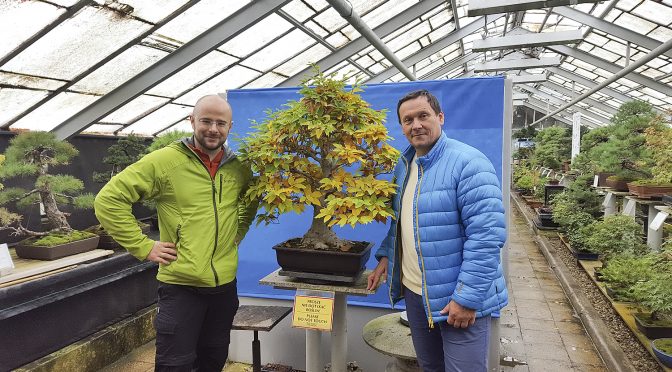
In the world of bonsai cultivation, few names resonate with as much respect and admiration as Piotr Czerniachowski. This Polish-born master has revolutionized the ancient Japanese art form, bringing a unique European perspective to a tradition that spans centuries. His innovative approaches and dedication to the craft have earned him international recognition and a devoted following among bonsai enthusiasts worldwide.
Early Life and Introduction to Bonsai
Born in Kraków, Poland, in 1968, Piotr Czerniachowski discovered his passion for bonsai at the age of seventeen during a family trip to Japan. Mesmerized by the miniature trees displayed at a traditional garden in Kyoto, he returned home determined to learn everything about this intricate art form. Despite the scarcity of resources and teachers in Eastern Europe during the late 1980s, Czerniachowski immersed himself in studying whatever materials he could find, teaching himself the fundamentals through books and correspondence with Japanese masters.
Development of the Czerniachowski Technique
What sets Czerniachowski apart from other bonsai masters is his distinctive approach to tree styling. His signature technique, known as the “European Naturalistic Method,” combines traditional Japanese principles with the aesthetic sensibilities of European landscape painting. Rather than strictly adhering to classical Japanese forms, Czerniachowski emphasizes the individual character of each tree, allowing its natural growth patterns to guide the artistic vision.
His technique particularly focuses on creating dramatic movement in the trunk and branches while maintaining perfect balance and proportion. Czerniachowski is also renowned for his expertise in working with European native species, including oak, beech, and pine varieties that were rarely used in traditional bonsai before his pioneering efforts.
Major Contributions to Bonsai Art
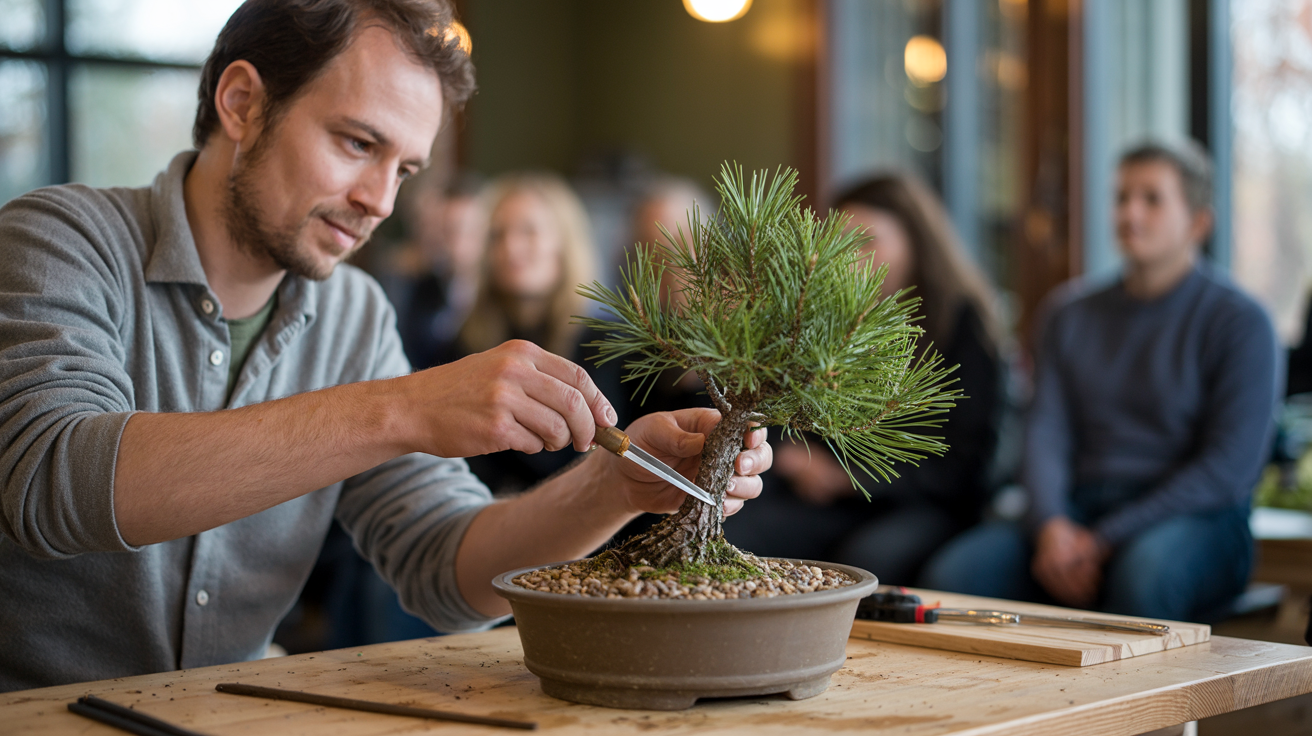
Throughout his career, Czerniachowski has made numerous significant contributions to the bonsai community. He founded the European Bonsai Academy in 1998, which has trained hundreds of students from across the continent. His three published books on bonsai cultivation have been translated into twelve languages and are considered essential reading for serious practitioners.
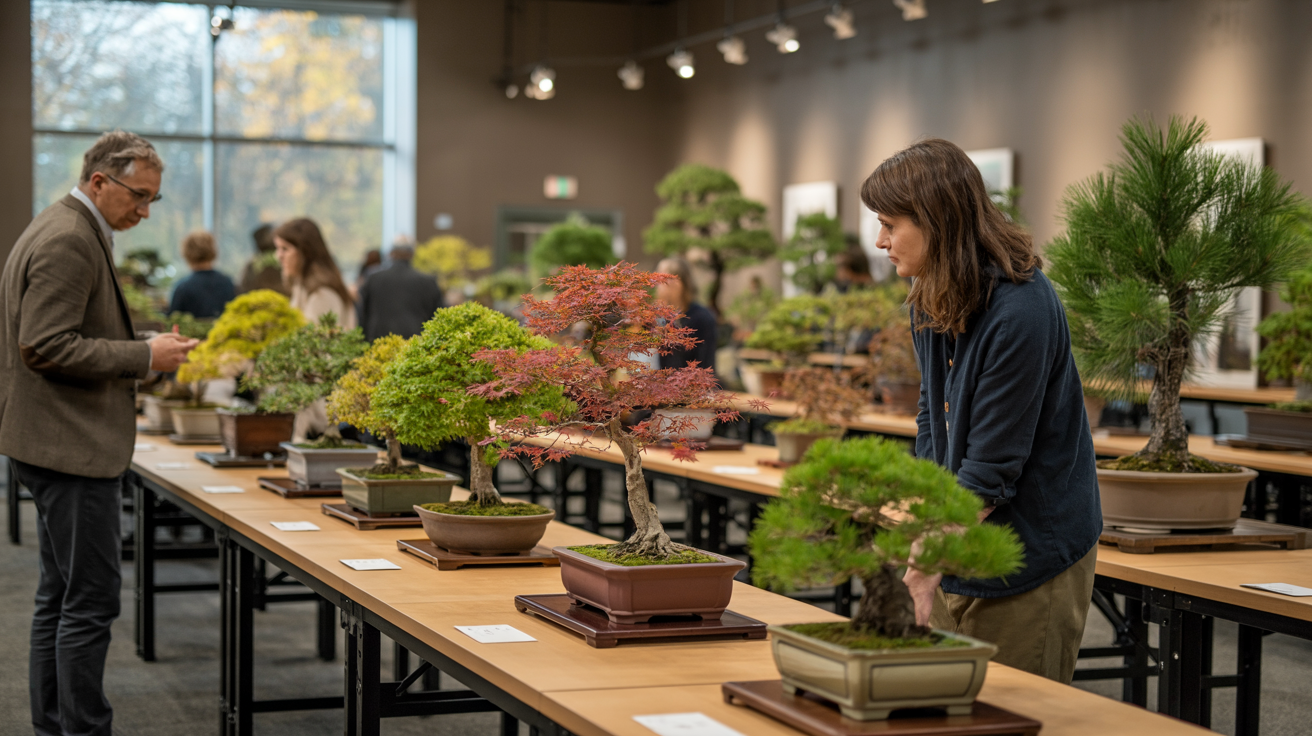
Czerniachowski has also been instrumental in organizing international exhibitions and competitions that bring together masters from Eastern and Western traditions. His efforts have helped bridge cultural gaps and foster greater understanding between different schools of bonsai thought. In 2015, he received the prestigious Golden Scissors Award from the World Bonsai Federation, recognizing his lifetime achievements and influence on the art form.
Legacy and Continuing Influence
Today, at his workshop in the Czech countryside, Czerniachowski continues to create stunning bonsai specimens while mentoring the next generation of artists. His trees have been displayed in museums and galleries worldwide, and collectors eagerly seek his work. His philosophy that bonsai should reflect both human artistry and the tree’s essential nature has inspired countless practitioners to develop their own unique styles.
Piotr Czerniachowski’s journey from a curious teenager in communist Poland to a world-renowned master demonstrates the universal appeal of bonsai and its power to transcend cultural boundaries.