
Stop Fighting Your Tree: Why a Trunk Bender Is One of the Most Underrated Tools in Your Bonsai Kit
We will say it plainly: the bonsai community has a fetish for cutting and almost no patience for bending. Pruning gets the glamour, the YouTube tutorials, the dedicated magazine spreads. Mechanical bending tools — the kind that let you reposition a living trunk or branch over weeks rather than seconds — get treated as shortcuts for beginners, or worse, ignored entirely. We think that is a mistake that costs growers years of development time on otherwise promising material.
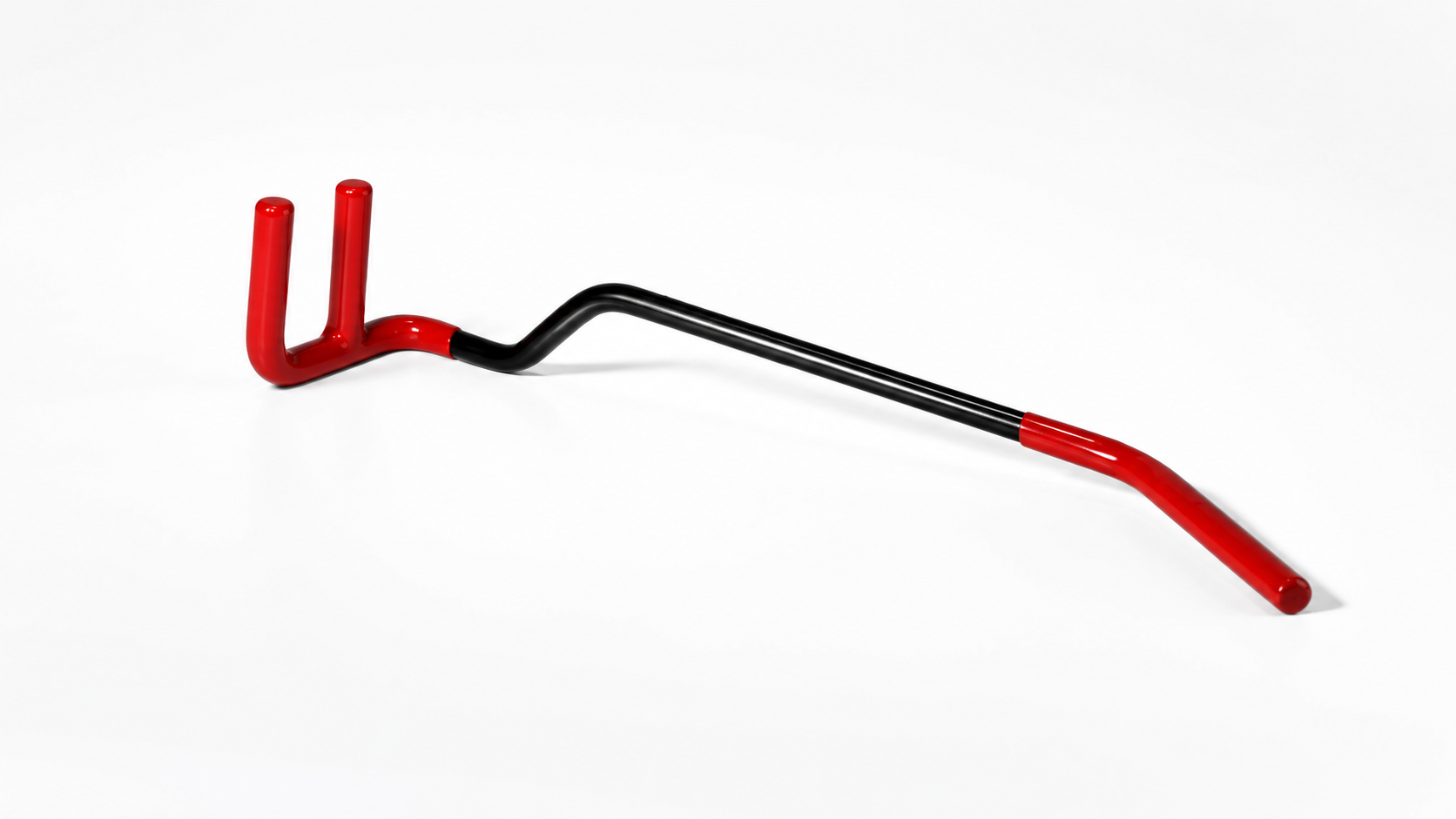
The arrival of purpose-built metal trunk benders marketed for home growers, such as the HEMOTON Bonsai Trunk Bender Tool listed on umlconnector.com, is actually a useful prompt for a wider conversation: not about the product itself, but about the technique it enables, and the persistent misunderstandings around when and how to apply mechanical bending pressure to a tree.
What Most Guides Get Wrong About Bending
The standard advice is to wire first, bend gently, check after six weeks. That is fine as far as it goes, but it skips the single most critical variable: the developmental stage of the tissue you are moving. Most hobbyist guides treat all growth as equivalent. It is not. On a Juniperus chinensis in early spring, the cambium is actively dividing and a trunk bender can help set a meaningful curve in material up to roughly 2.5 cm in diameter with relatively low risk of cracking bark if movement is gradual. On the same tree in August, the wood has hardened and the same pressure applied at the same rate will either do nothing or split the tissue. Timing matters more than tool selection.
Similarly, guides rarely distinguish between bending a primary trunk on young field-grown Fagus sylvatica material — where the goal is establishing the primary movement line — and repositioning a secondary branch on a more developed tree, where the objective is refining pad placement. These are different mechanical problems requiring different leverage points and different durations of applied pressure.
A Concrete Approach: Setting a Bend in Early Spring
If you are working with nursery stock Acer palmatum in late February or early March in a temperate climate, just before bud swell, here is a workable sequence:
- Identify the section of trunk where you want movement — ideally a run of at least 8 cm with no branching nodes mid-section.
- Wrap the target zone tightly with raffia to compress bark and cambium layers and reduce the risk of surface cracking.
- Apply the bender at the base and apex of the section, introducing pressure gradually over two to three sessions spaced three to five days apart rather than in a single aggressive movement.
- Check for bark stress — any vertical splitting or weeping is a signal to stop and hold, not push further.
- Leave the bender in place for a minimum of eight weeks, removing it only once the wood has begun to set in the new position.
The raffia step is the one most often skipped, and its omission is the most common reason beginners crack bark on otherwise healthy material.
Our Take
In our view, the bias toward pruning over bending in most hobby bonsai practice reflects an impatience that ironically slows development. Removing a branch takes seconds. Moving one into a position that improves the design can take a season and preserve years of growth. The two approaches are not interchangeable, and reaching for scissors when a bender is the more appropriate answer is a habit worth breaking. For a deeper look at how structural decisions compound over time, our article Why Winter Pruning Decisions Define the Next Five Years of Your Tree is worth your time before the season opens.
Actionable takeaway: Before your next pruning session on any deciduous material this late winter, spend five minutes assessing whether a low-pressure bend could achieve the same design correction. If the branch is under 2 cm in diameter and the wood is still flexible, it almost certainly can.
By Redazione Bonsai World
Article researched and written with AI assistance and reviewed by the Bonsai World editorial team.