
The Case for Rediscovering Traditional Branch Reduction
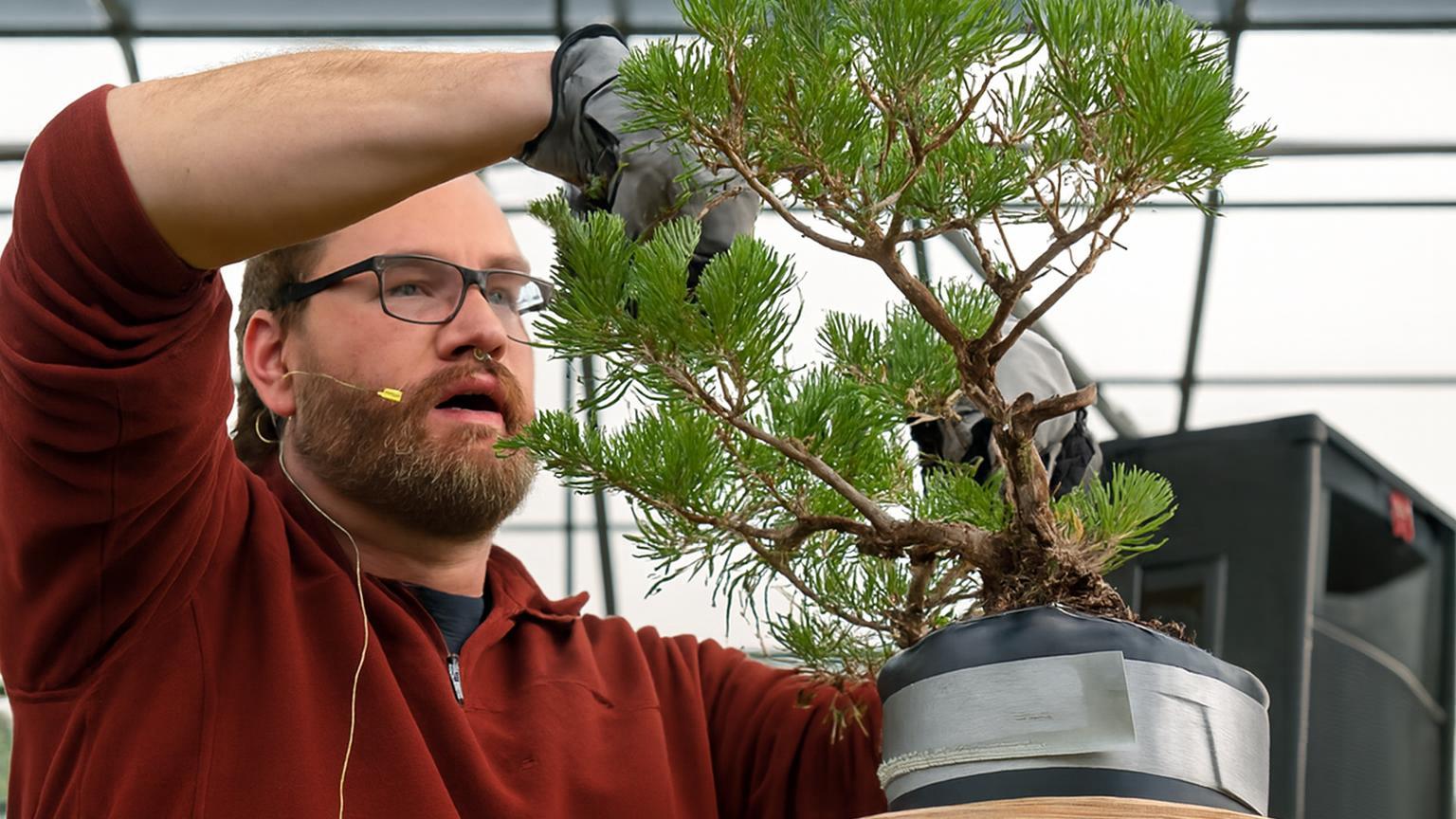
We’ve been watching a quiet shift in contemporary bonsai practice, and it’s one that concerns us. Somewhere along the path to modernization, many practitioners have abandoned techniques that our predecessors relied upon for centuries—methods that produced extraordinary results with less trauma to the tree. A recent demonstration by Andrès Alvarez working with yew highlights exactly what we’re talking about: the classical approach to progressive branch reduction that most contemporary guides either gloss over or omit entirely.
In our view, the problem stems from the rush toward instant results. Modern bonsai education has become dominated by dramatic before-and-after transformations, aggressive cutbacks, and quick styling sessions that look impressive in video tutorials but often compromise long-term tree health and natural taper development. What most guides get wrong is the fundamental understanding that true refinement in bonsai isn’t about one decisive moment—it’s about patient, incremental reductions that allow the tree to respond, recover, and rebuild properly between interventions.
Why Traditional Branch Reduction Matters Now
Traditional branch reduction—the technique of removing branches in stages rather than all at once—matters more than ever because we’re working with increasingly valuable material. Whether you’ve invested in yamadori, nurtured a tree for decades, or recently acquired an expensive specimen, the stakes are too high for cavalier approaches. When you reduce a substantial branch in one cut, you create a wound that the tree must wall off completely before it can focus energy on backbudding and ramification. With conifers especially, this can mean years of stagnation or, worse, dieback that extends beyond your intended cut.
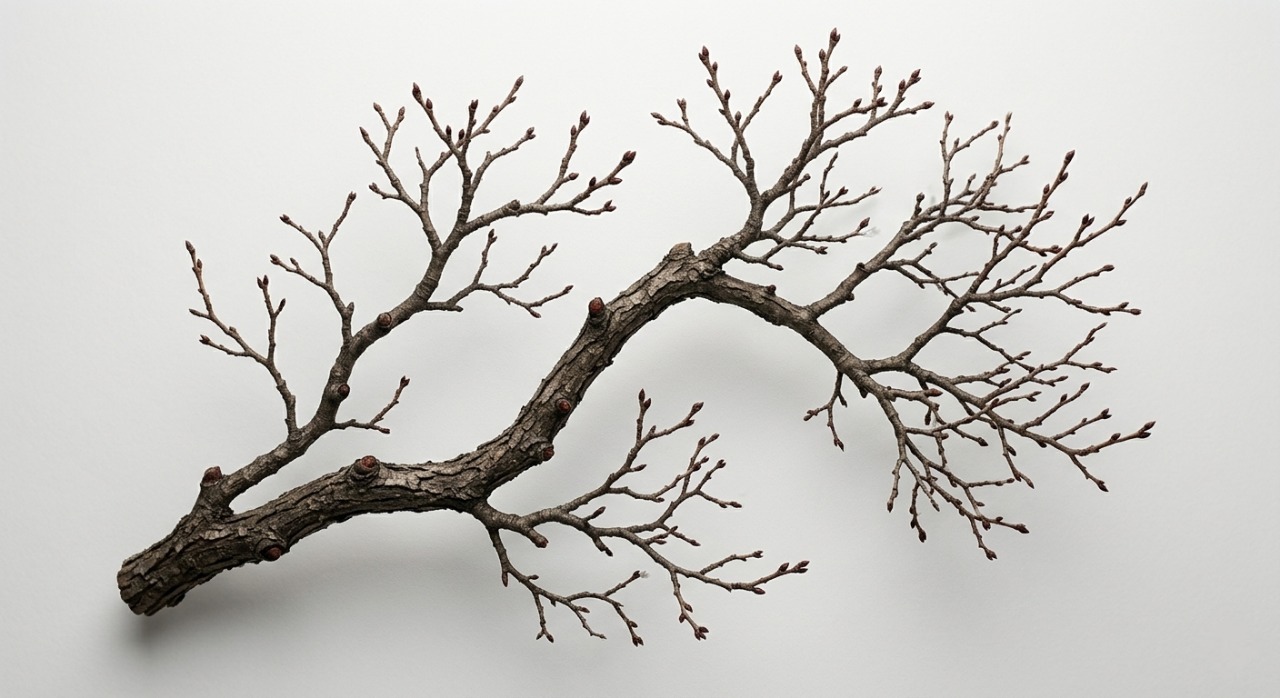
The incremental approach works differently. By reducing a branch to a suitable secondary branch or bud, allowing the tree a full growing season to adjust, then making your next reduction, you’re working with the tree’s natural wound-response mechanisms rather than overwhelming them. For yews specifically—whether English yew (Taxus baccata) or Japanese yew (Taxus cuspidata)—this measured approach is essential because while they backbud reliably, they seal wounds slowly.
A Concrete Approach to Progressive Reduction
Here’s the technique we would argue belongs back in every serious practitioner’s toolkit. Begin in late winter, just before the spring growth flush. Identify your target branch and trace it back to find a secondary branch roughly one-third the diameter of the primary. Make your first cut here, leaving a small stub—not flush. This stub serves as a sap draw, keeping the cambium active around the wound perimeter. Through the growing season, monitor the tree’s response: you should see vigorous growth from the retained secondary branch and, with species like yew, adventitious buds emerging near the cut.
The following late winter, once the initial wound has begun callousing, make your second cut. Now you can either refine the stub closer to the trunk or, if the secondary branch has thickened sufficiently, reduce it further back to a tertiary branch. The key detail most practitioners miss: apply cut paste only after this second cut, not the first. The initial stub needs air circulation to dry and begin the natural die-back process that prevents rot pockets from forming beneath sealed wounds—something particularly critical with yews and other species with dense, moist wood.
Our Take
We believe the resurgence of interest in traditional techniques isn’t nostalgia—it’s practitioners recognizing that faster isn’t always better. The health and longevity of our trees should take precedence over our impatience. When masters like Alvarez demonstrate these time-tested approaches, they’re offering us permission to slow down and work in harmony with biological reality rather than against it.
Actionable Takeaway
This winter, identify one thick branch you’ve been planning to remove from a conifer. Instead of cutting it off entirely, reduce it by half to a living secondary branch. Mark your calendar for next year’s late winter, and complete the reduction then. Document the difference in wound healing and backbudding compared to previous one-cut removals. You’ll see why this technique was never truly forgotten by masters—just temporarily overlooked by the rest of us.
This article was created with AI assistance by the Bonsai World editorial team.