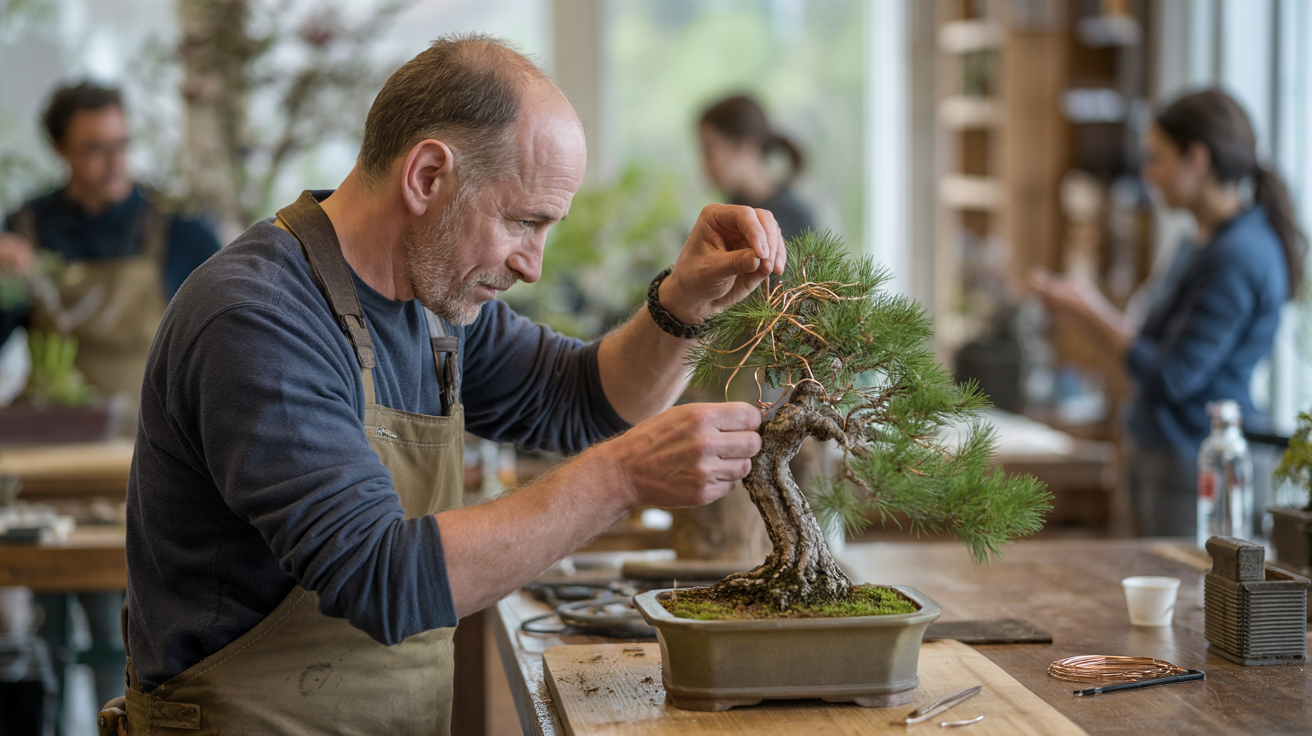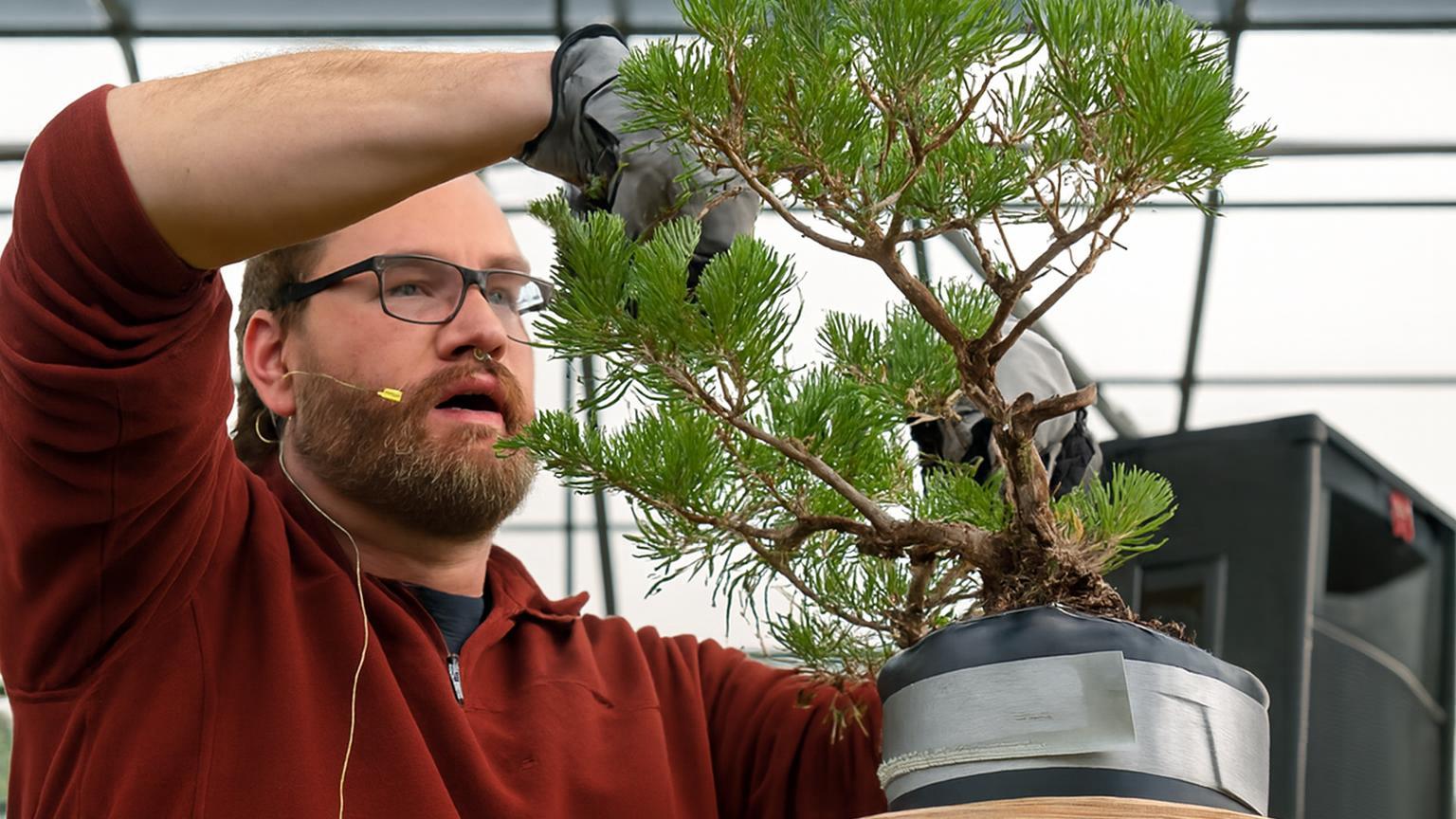

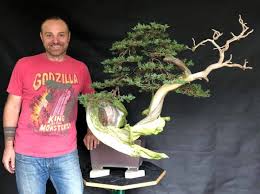
In the landscape of American bonsai, Todd Schlafer occupies a distinctive position as both a skilled practitioner and an influential educator whose work bridges traditional Japanese techniques with the needs and materials of contemporary North American growers. His approach to the art form stands out not for grandiose claims or revolutionary departures, but for a thoughtful, methodical commitment to helping trees realize their inherent potential—a philosophy that resonates deeply with serious hobbyists seeking to move beyond beginner techniques.
Schlafer is widely recognized for his expertise in developing yamadori, collected native specimens that present unique challenges and opportunities. Where some practitioners might impose rigid stylistic templates onto raw material, his work demonstrates a patient dialogue with each tree’s existing structure. This isn’t merely aesthetic preference; it reflects a deeper understanding that the most convincing bonsai emerge when the artist amplifies rather than contradicts what the tree has already become through years of survival in harsh conditions.
What makes Schlafer’s influence particularly valuable is his willingness to demystify the technical aspects of yamadori development. Collected material often arrives with compromised root systems, inverse taper, or awkward branching—problems that can paralyze intermediate growers. His documented work shows a systematic approach to these challenges: aggressive but informed root work timed to species-specific recovery patterns, strategic use of guy wires and tension techniques to reposition heavy branches without relying solely on wire, and a multi-year vision that resists the temptation to resolve every flaw in a single growing season.
His work with North American native species deserves particular attention. While many bonsai practitioners focus exclusively on traditional Japanese materials—pines, maples, junipers cultivated in nurseries—Schlafer has invested considerable effort in understanding species like Rocky Mountain juniper, ponderosa pine, and other regionally significant trees. This matters because it addresses a practical reality: growers in different climates and regions achieve better results when they work with locally adapted material. His successes demonstrate that compelling bonsai doesn’t require importing expensive Japanese stock; it requires understanding the specific growth habits and aesthetic qualities of whatever species you can reliably cultivate in your conditions.
Our Take: The Teacher’s Approach
What we find most instructive about Schlafer’s work is the emphasis on horticultural fundamentals over stylistic flash. In an era when social media rewards dramatic transformations and quick results, his documented progressions often show trees that look rougher in year two than year one—because he’s prioritized root development and structural decisions that will matter in year ten. This requires confidence and patience that only comes from genuine expertise.
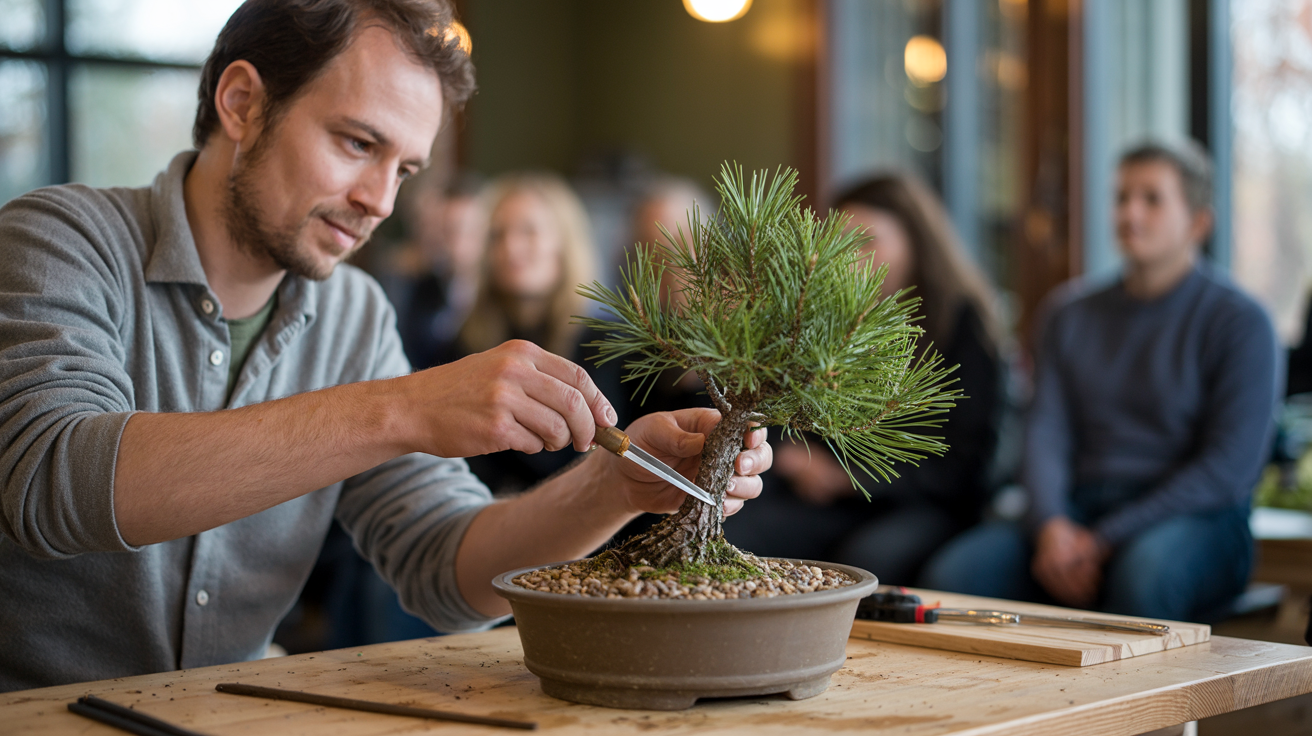
His teaching, whether through workshops or online documentation, tends to focus on decision-making frameworks rather than rules. Instead of prescribing that “this branch must be removed,” the approach asks: what function does this branch serve in the overall design? Can it be improved, or does removal create more options than it forecloses? This analytical method, fundamental to bonsai aesthetics, helps growers develop judgment that transfers across different trees and styles.
The Practical Lesson
The most actionable insight from Schlafer’s body of work is this: when evaluating collected or problematic material, identify the single strongest feature—a dramatic trunk movement, an interesting deadwood element, a well-positioned primary branch—and make that feature the foundation of your entire design. Everything else should either support that strength or be eliminated. Too often, growers try to salvage every existing element, resulting in confused compositions. His work demonstrates that clarity comes from commitment to a central idea, even when that means discarding options that might have worked in a different design.
For the grower struggling with a challenging piece of yamadori or a nursery stock tree that doesn’t fit conventional patterns, Schlafer’s approach offers a path forward: slow down, prioritize health and structure over immediate aesthetics, and trust that a design honestly derived from the tree’s own character will ultimately prove more satisfying than any imposed formula.
This article was created with AI assistance by the Bonsai World editorial team.