
Why Cultural Diplomacy Through Bonsai Is More Than Ceremony—And What It Means for Your Practice
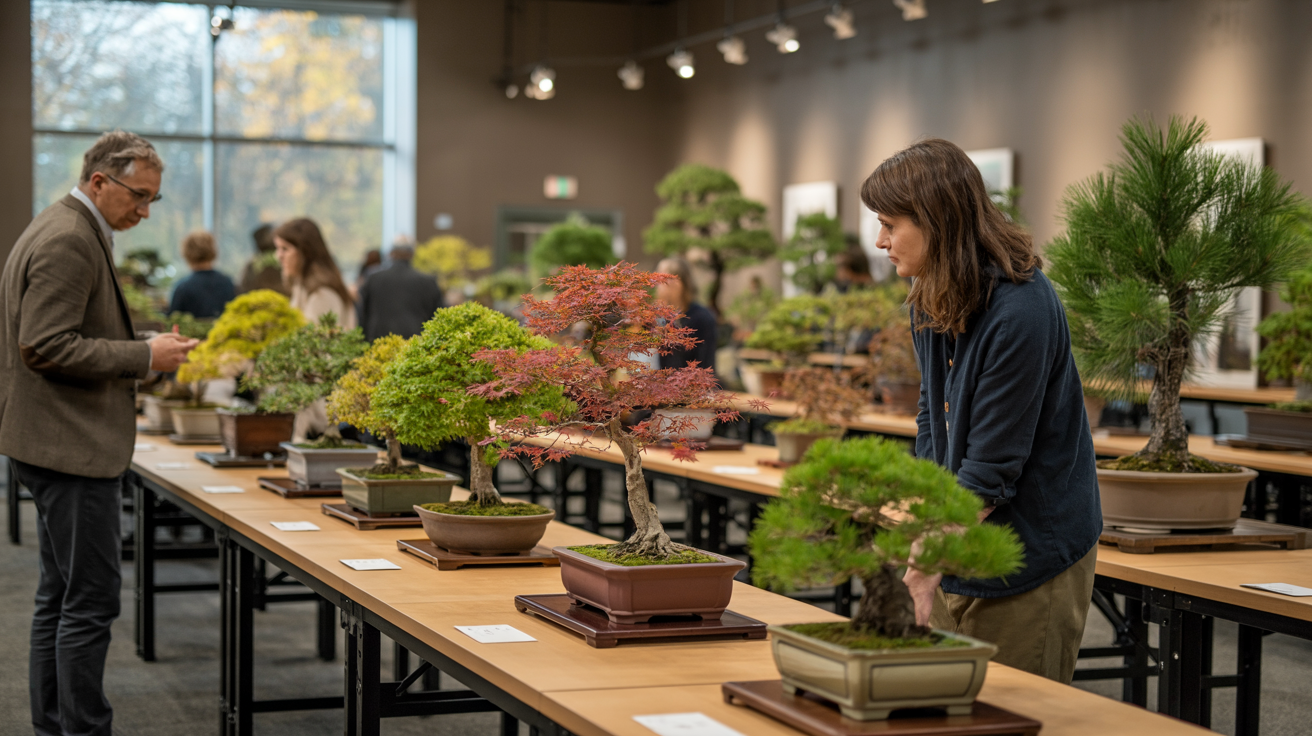
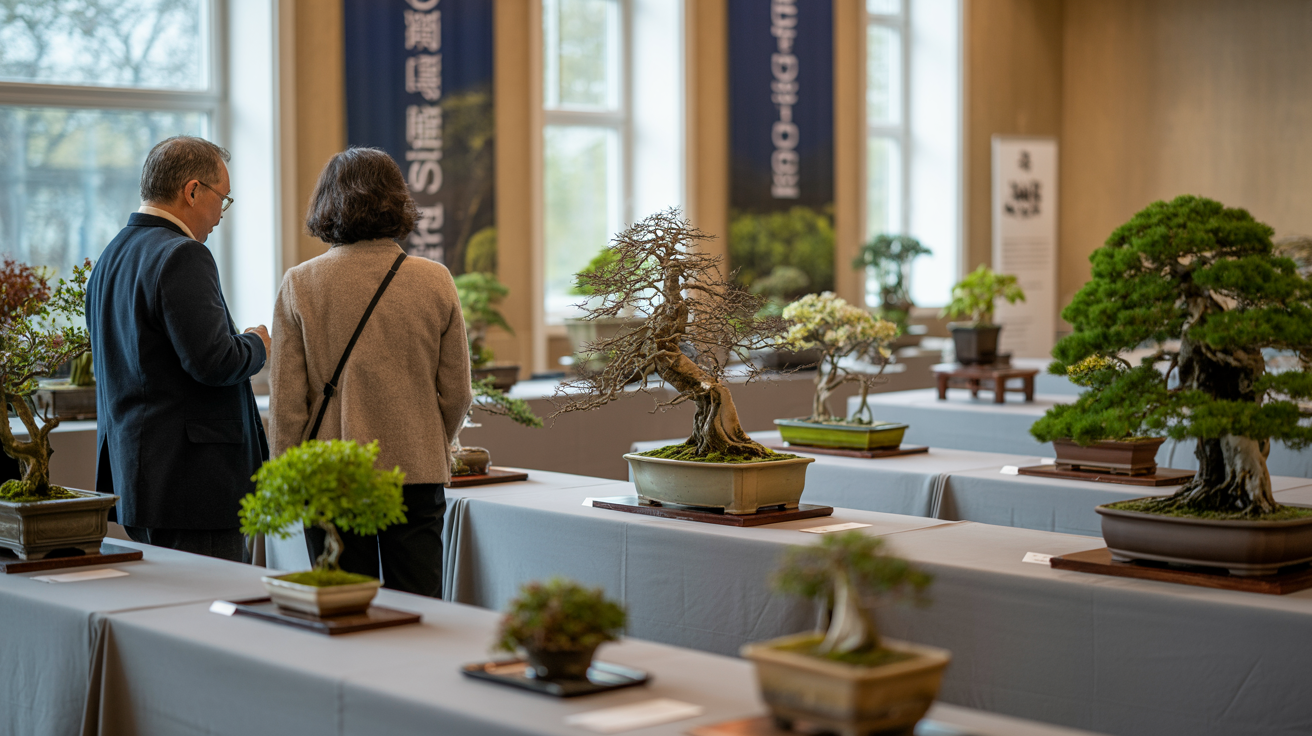
We often treat bonsai as a solitary pursuit, a quiet dialogue between grower and tree. But recent events celebrating international bonsai exhibitions remind us of something crucial: bonsai has always been a living bridge between cultures, and understanding this context fundamentally shapes how we approach the art today. The presence of diplomatic figures at major bonsai shows is not mere pageantry—it signals something we believe too many Western practitioners overlook in their rush to master wiring and root work.
In our view, the contemporary bonsai world suffers from what we would call “technique myopia.” Growers obsess over Jin carving angles and fertilizer NPK ratios while missing the philosophical foundation that makes those techniques meaningful. When ambassadors attend bonsai exhibitions, they are not simply admiring miniature trees. They are acknowledging bonsai as a form of cultural transmission, a practice that carries specific aesthetic values, patience principles, and ecological relationships from one generation and geography to another.
What Most Guides Get Wrong About Cross-Cultural Learning
Here is what frustrates us about mainstream bonsai instruction: it treats Japanese techniques as universal truths rather than climate-specific, species-specific adaptations developed over centuries in a particular environment. The classic example? The timing of repotting.
Standard advice tells you to repot pines when candles begin to swell in early spring. That works beautifully in Omiya or Kyoto, where March temperatures hover predictably between eight and fifteen degrees Celsius. But apply that same timing in Manila’s tropical climate or even in temperate zones with unpredictable spring freezes, and you risk serious root damage. Philippine growers working with native species like the Fukien tea or the Philippine fire tree cannot simply import Japanese seasonal calendars—they must adapt the underlying principles to their own conditions.
This is precisely why cultural exchange matters at the practical level. When Filipino practitioners engage directly with Japanese experts at national exhibitions, they are not learning rote techniques. They are learning how to think through problems of seasonal timing, species selection, and aesthetic balance within their own environmental context.
A Concrete Technique: Adapting the Seasonal Pruning Calendar
We recommend this step-by-step approach for adapting Japanese timing wisdom to your local conditions:
- Identify the three-week period when your local temperatures consistently remain between ten and eighteen degrees Celsius during daylight hours, with minimal risk of frost.
- Track when your specific species shows the first signs of spring vigor—not when a guide says it should, but when your tree actually does in your microclimate.
- Schedule major root work for the midpoint of that window, giving the tree recovery time if temperatures drop unexpectedly.
- Document your results with photos and notes, building your own localized calendar over three to five seasons.
This methodology honors the Japanese principle of attentive observation while rejecting blind adherence to foreign schedules. It is what we would argue represents genuine cultural learning rather than superficial imitation.
Why This Matters Now
The expanding network of international bonsai relationships creates unprecedented access to knowledge, but only if we approach it correctly. We have seen too many enthusiasts collect expensive Japanese imports only to kill them through misapplied care routines copied from books written for different climates. The antidote is not rejecting Japanese expertise—it is engaging with it intelligently, understanding the why behind every technique so you can adapt the how to your circumstances.
When diplomats celebrate bonsai exhibitions, they recognize the art as a sophisticated knowledge system worthy of serious cross-cultural study. We should approach it with the same respect: not as a set of rigid rules, but as a living tradition that invites thoughtful adaptation.
Our Take
Cultural exchange in bonsai is not about ceremony or politics—it is about accessing deeper knowledge that makes you a better grower. The real diplomacy happens when you successfully adapt a centuries-old Japanese technique to your backyard conditions.
Actionable takeaway: This week, choose one “standard” technique you use and research the specific climate conditions it was developed for. Then adjust your timing or method to match your actual environment, not someone else’s calendar.
This article was created with AI assistance by the Bonsai World editorial team.