
45 Years of Bonsai in Pittsburgh — And What Every Regional Show Gets Right That Your Local Club Probably Doesn’t
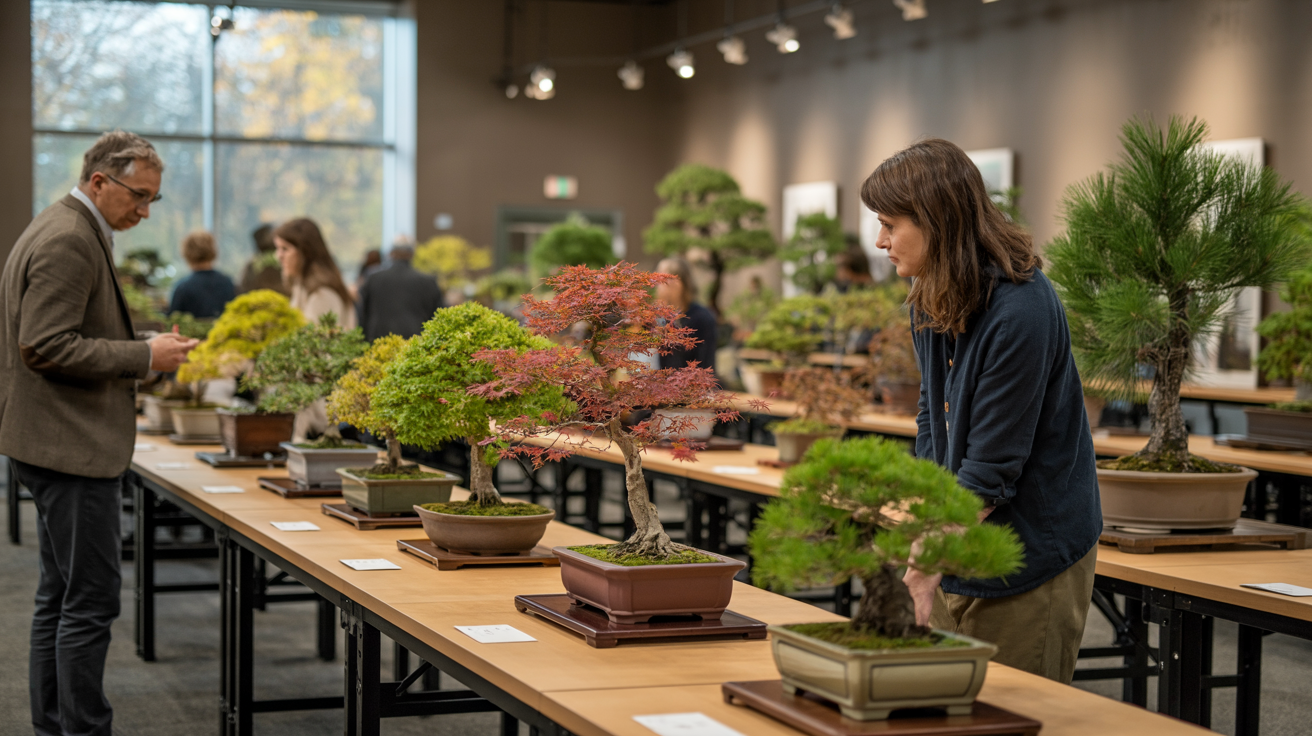
We pay close attention whenever a regional bonsai society hits a milestone, and the Pittsburgh Bonsai Society reaching its 45th Annual Bonsai Show is exactly the kind of moment worth examining beyond the calendar listing. Most coverage treats these events as simple community fairs. We think that framing undersells what a multi-decade regional show actually represents — and, more importantly, what it offers that YouTube tutorials and online forums simply cannot replicate.
Why the “Bring Your Own Tree” Format Is the Most Underrated Feature in Bonsai Education
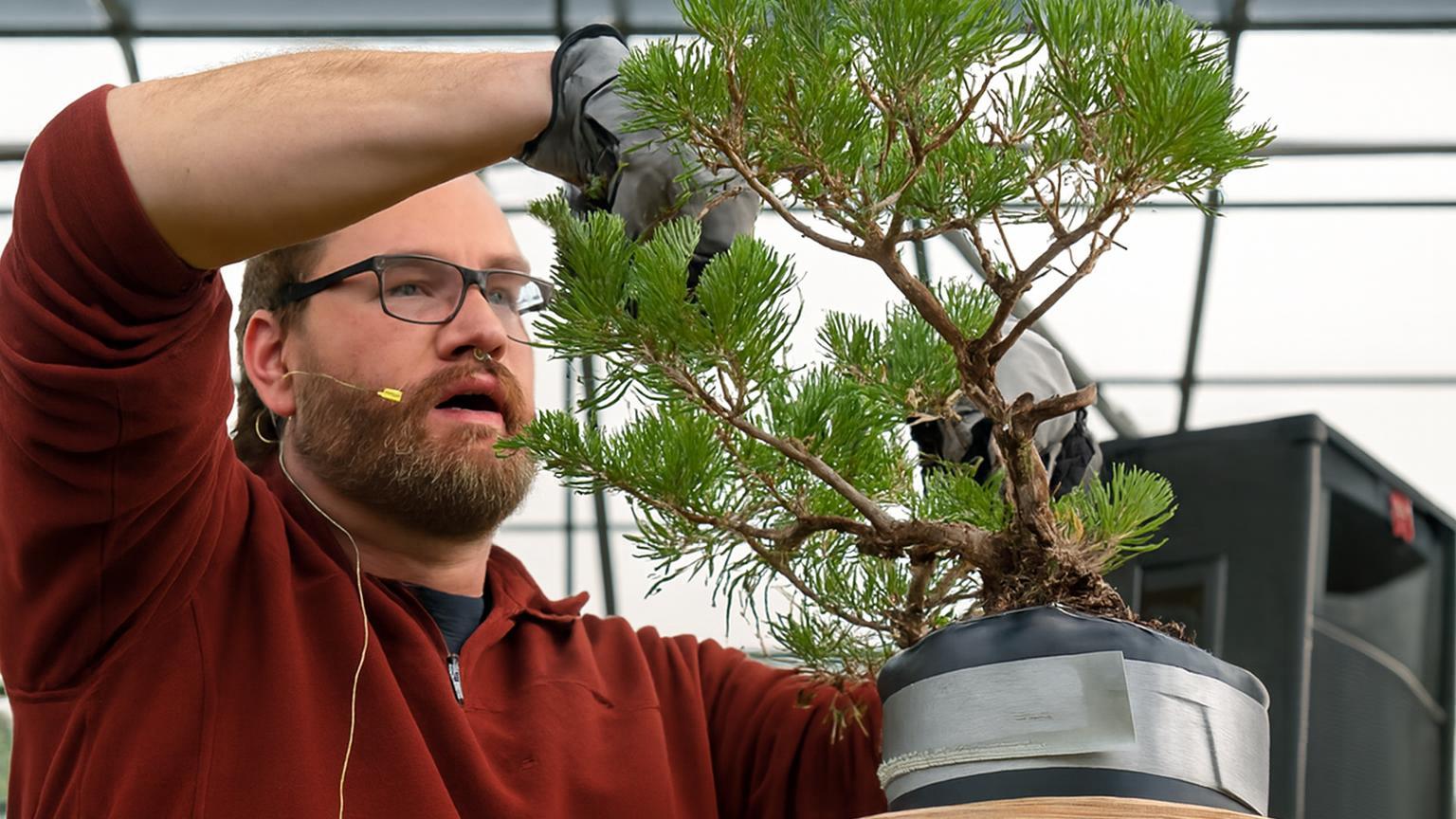
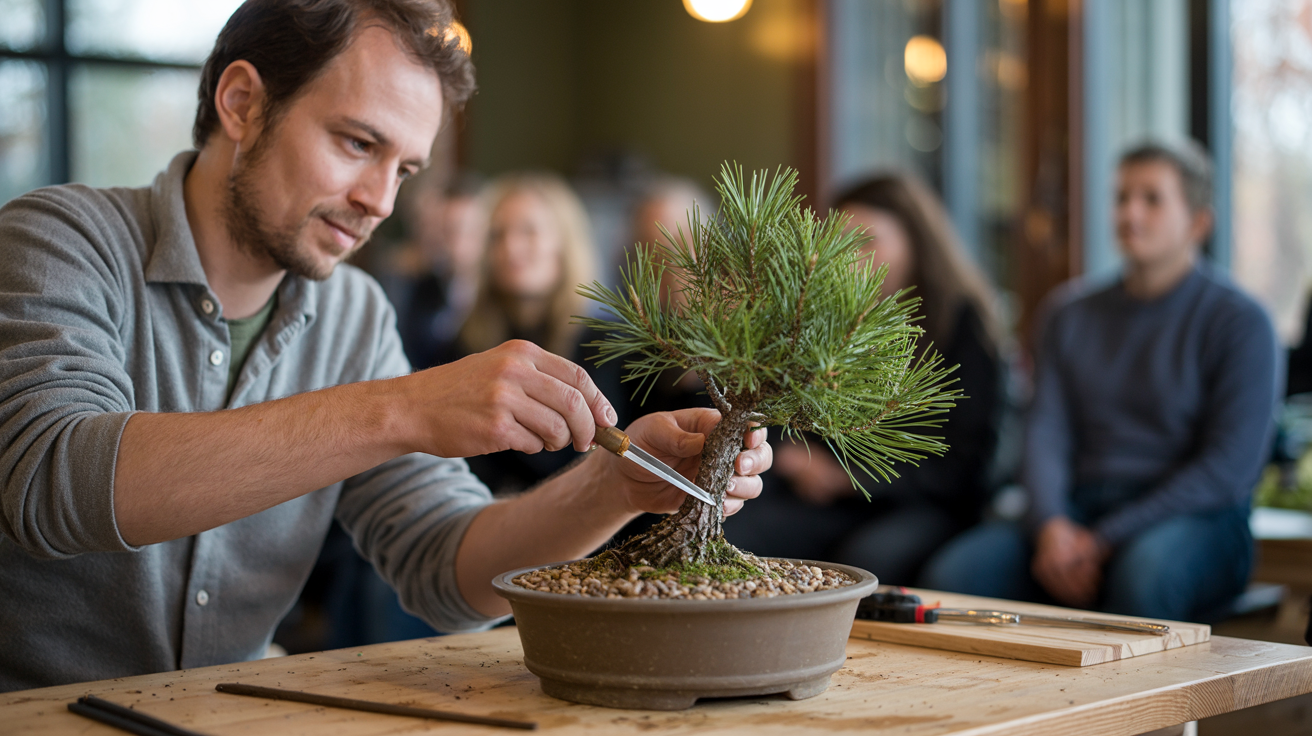
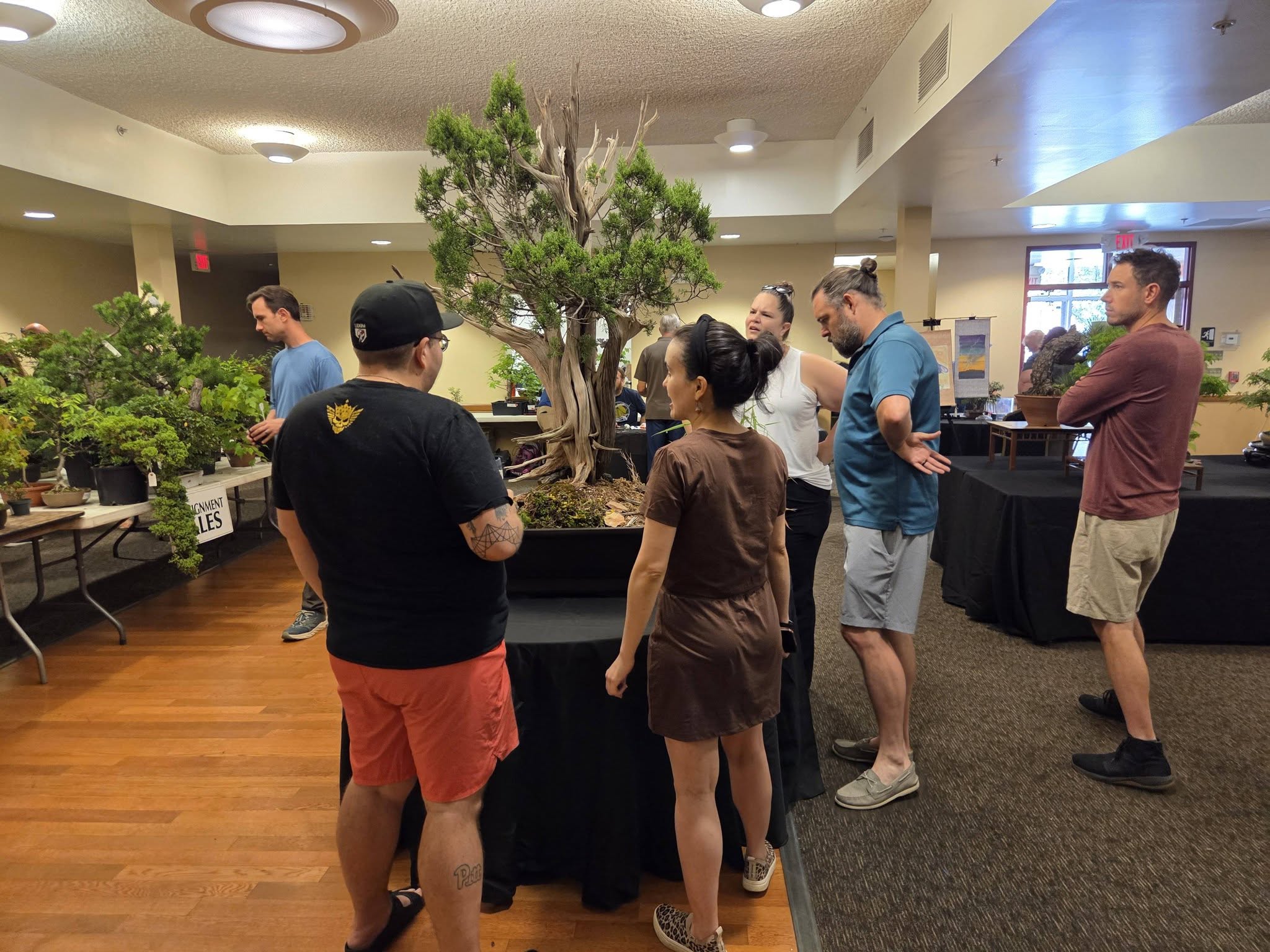
The Pittsburgh show, running June 20 and 21 at the Millvale Community Center in Millvale, Pennsylvania, includes something the announcement buries in a single sentence: visitors are encouraged to bring their own trees for on-the-spot guidance from society members. As reported by 90.5 WESA, this open consultation format runs alongside live styling demonstrations throughout the weekend. In our view, this combination — watching a demonstration and then immediately applying that feedback to your own material — is pedagogically more effective than almost any other learning format available to amateur growers.
Here is the problem most guides miss: they treat bonsai diagnosis as a universal skill, when in reality the advice changes completely depending on species and the time of year the tree is being assessed. A trident maple (Acer buergerianum) brought to a June show in western Pennsylvania is at peak growing vigor — its internodes are extending, its vascular system is fully active, and any structural pruning done now will back-bud aggressively before summer hardens the wood. That is genuinely useful timing. Contrast that with bringing the same tree in October, when cutting back stimulates late growth that won’t harden before frost. June consultation for deciduous broadleafs is not just convenient; it is strategically sound.
What Most Guides Get Wrong About Show Demonstrations
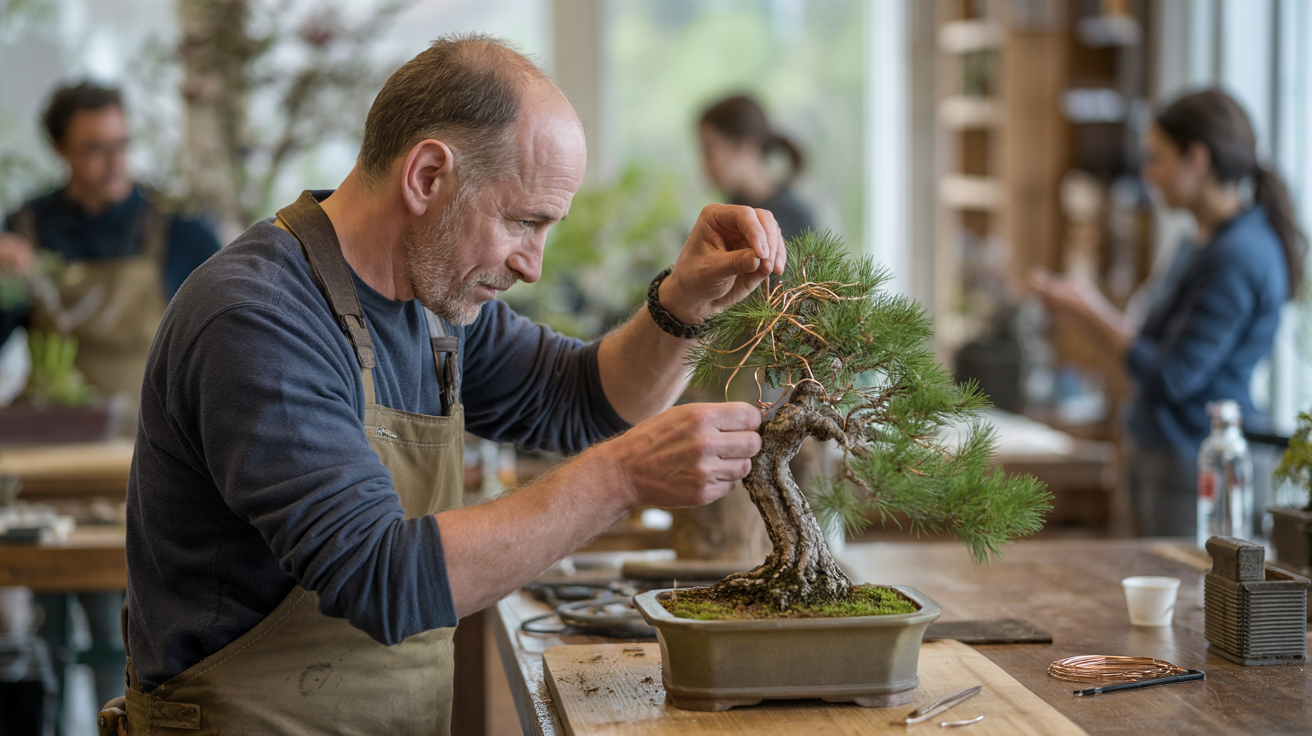
Our view is that too many beginners attend demonstrations passively, watching a practitioner wire a juniper (Juniperus spp.) or restyle a collected hornbeam (Carpinus caroliniana, a species native to Pennsylvania woodlands and commonly worked by eastern U.S. clubs) without connecting the technique to their own material at home. The demonstration becomes entertainment rather than instruction. We would argue this is partly the demonstrator’s fault for not narrating species-specific logic, and partly the attendee’s fault for not arriving with a question already formed.
We cover this failure mode in depth in our piece on Why Most Beginner Bonsai Advice Sets You Up to Fail — and a show like Pittsburgh’s is precisely the environment where that advice can be corrected in real time by someone looking at your actual tree, not a generic diagram.
One Concrete Technique to Use Before You Go
If you plan to bring a tree to Pittsburgh or any similar summer show consultation, do this first:
- Water the tree thoroughly 24 hours before travel, not the morning of — a fully hydrated root mass is less vulnerable to the stress of handling.
- Do not fertilize in the week prior. A nitrogen-heavy root flush makes root structure harder to read during a consultation and can mask existing deficiencies an expert would otherwise catch.
- Photograph the tree from four angles at home before you leave. Experts can assess progression and proportion far more accurately when they see how the tree looked before it was moved.
- Write down one specific question — not “what do I do with it?” but something like “should I remove this low right branch before or after the next repotting?”
Our Take
Forty-five years of continuous annual shows is not a curiosity — it is evidence that structured, in-person bonsai communities produce growers that online communities alone do not. The Pittsburgh Bonsai Society has built something rare: a regional tradition that is free to attend, open to absolute beginners, and substantive enough for experienced practitioners. If you are within driving distance of Millvale this June 20–21, the most valuable thing you can do is not browse the vendor tables first. Walk in with a tree and a question.
Actionable takeaway: Before your next club event or show, select one tree from your collection that you have been uncertain about, photograph it today from north, south, east, and west, and draft a single precise question about it. That preparation will transform a pleasant outing into a genuinely educational one.
By Redazione Bonsai World
Article researched and written with AI assistance and reviewed by the Bonsai World editorial team.