
Why Regional Bonsai Exhibitions Matter More Than Ever—And What Most Growers Miss
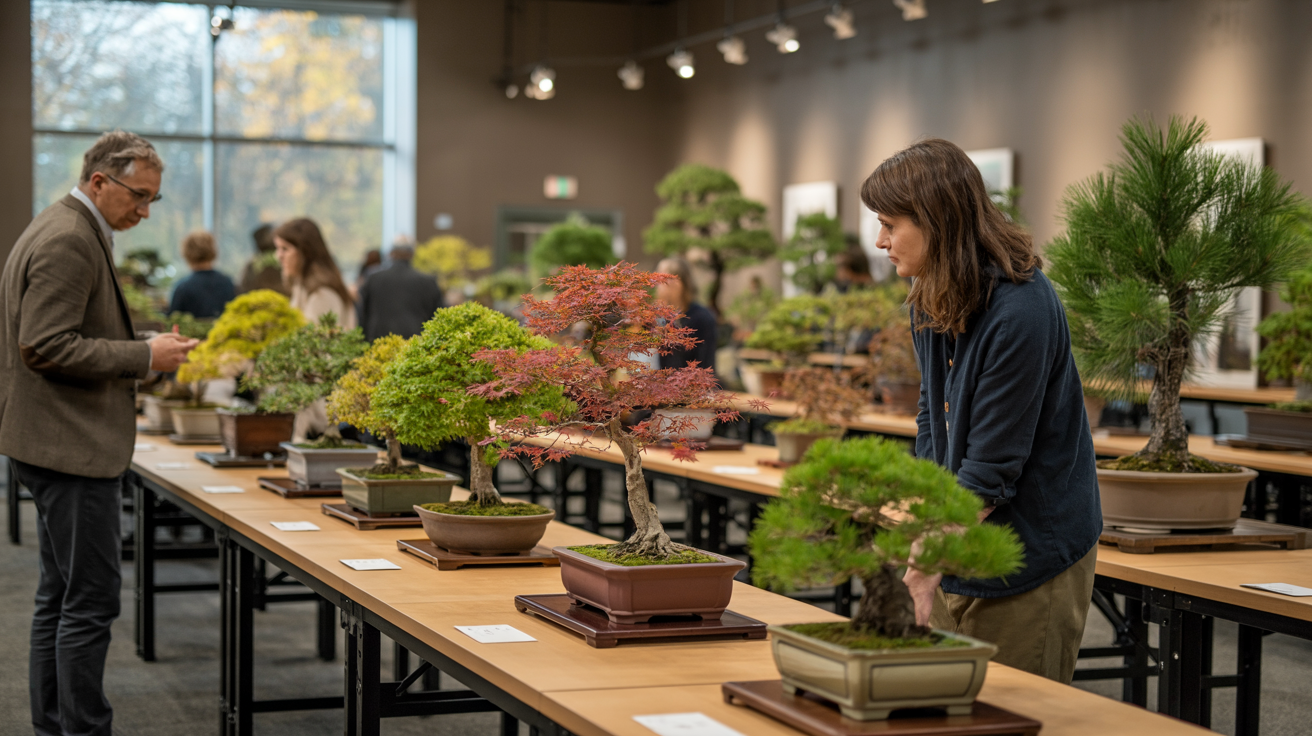
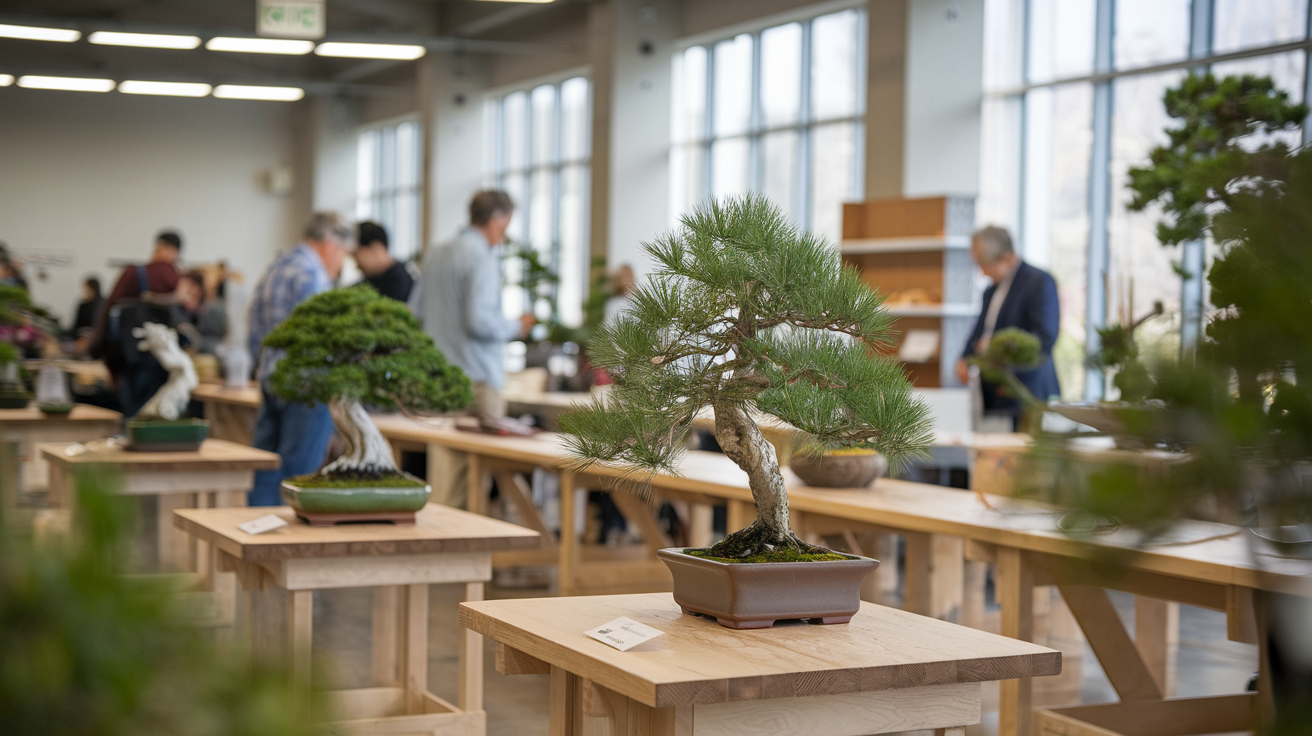
We believe the future of bonsai lies not in elite national shows or celebrity demonstrations, but in the robust network of regional exhibitions that form the backbone of our community. The 34th annual exhibition in Valls exemplifies exactly what we mean: three decades of consistent community building that has transformed casual hobbyists into serious practitioners.
In our view, the real story isn’t the workshops or vendor tables—though those matter—but what happens in the quiet conversations between participants. These regional events are where growers actually learn the nuanced techniques that glossy coffee-table books and YouTube tutorials consistently get wrong.
Our Take: The Workshop Advantage Most Guides Overlook
Here’s what mainstream bonsai cultivation guides fail to emphasize: the timing of when you learn a technique matters as much as the technique itself. June workshops in Mediterranean climates offer something particularly valuable—you can observe trees in active growth while learning summer maintenance protocols. This is radically different from winter demonstrations where trees are dormant and responses to intervention are delayed by months.
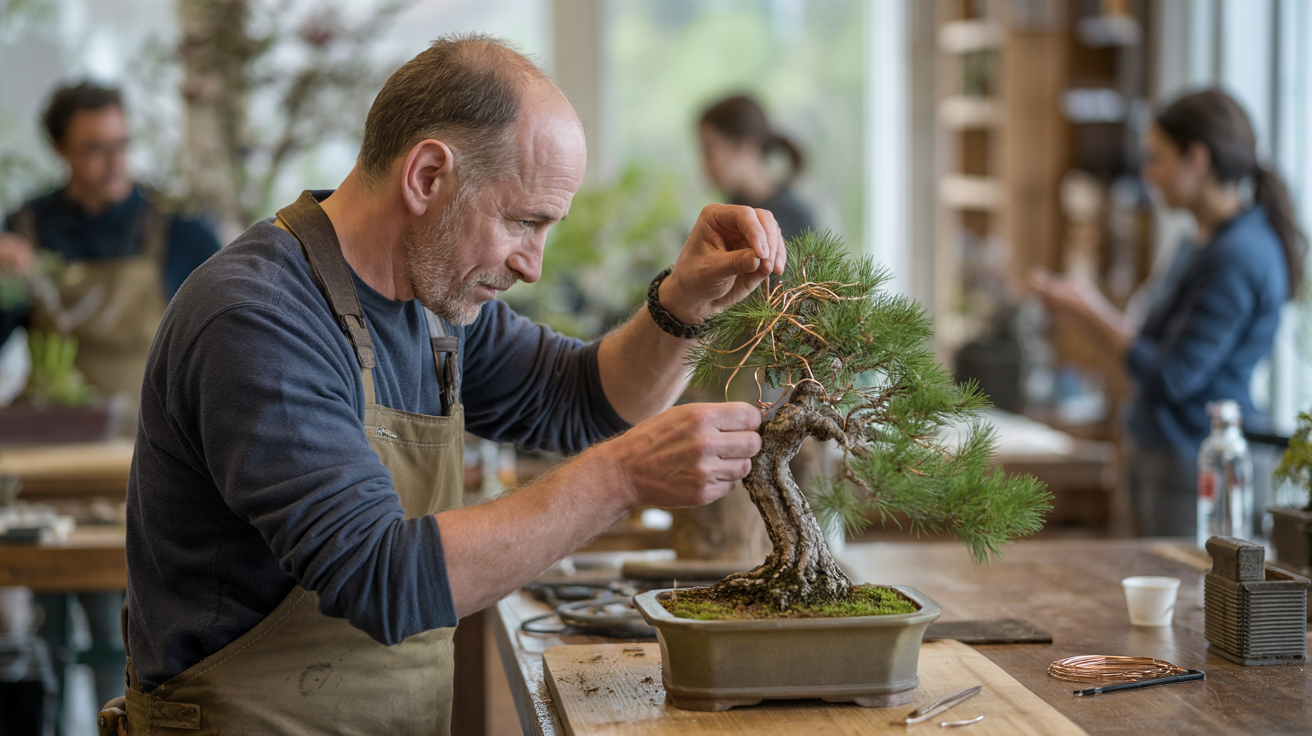
When you wire a Pinus halepensis branch in June, you see the response within two weeks. The cambium swells, the branch begins setting into position, and you understand immediately whether your angle and tension were correct. Try the same technique in January, and you’re flying blind until April. We would argue this immediate feedback loop is worth more than a dozen theoretical sessions.
The Technique Nobody Teaches Correctly: Summer Pinching for Mediterranean Pines
Since we’re discussing June events in Catalonia, let’s address a specific technique relevant to that timing and region: summer pinching of Aleppo and Stone pines, species that dominate Spanish bonsai collections but behave differently than the Japanese Black Pines most literature focuses on.
Most guides tell you to pinch candles in spring. That’s wrong for Mediterranean species in Mediterranean climates. Here’s what actually works:
- Wait until mid-June when candles have fully extended but needles haven’t hardened
- Identify the strongest candles—typically those receiving maximum sun exposure
- Remove two-thirds of the candle length on vigorous growth, one-third on moderate growth
- Leave weak interior candles completely untouched to maintain their strength
- Water normally but reduce nitrogen fertilizer for three weeks post-pinching
The critical detail most summaries miss: Mediterranean pines produce a secondary flush in late summer if pinched correctly in June. Japanese Black Pines in Japan do this reliably; Mediterranean species in hot, dry climates only do it if you time the pinching to coincide with the brief period of soil moisture availability before summer drought stress peaks.
Why Regional Exhibitions Preserve Essential Local Knowledge
This is precisely why events like Valls matter so much. The growers who have been exhibiting there for thirty-four years understand these regional variations intimately. They know that watering schedules, fertilizer ratios, and intervention timing that work perfectly in Kyoto or Portland will kill trees in Tarragona. This knowledge doesn’t transfer well through books or videos—it requires conversation, observation, and the willingness of experienced growers to share what they’ve learned through decades of trial and error.
When exhibitions maintain continuity over multiple decades, they create living archives of regional expertise. The vendors at these events stock species and supplies suited to local conditions. The workshops address challenges specific to the climate and growing season.
Your Actionable Takeaway
If you’re within traveling distance of any regional bonsai exhibition—regardless of location—commit to attending three consecutive years. Don’t just browse; identify two or three growers whose work resonates with you and initiate conversations. Ask specific questions about timing: when do they repot, when do they wire, when do they reduce watering? Regional variations in these fundamentals make the difference between thriving trees and chronic struggle.
Source: Modernet Digital
This article was created with AI assistance by the Bonsai World editorial team.