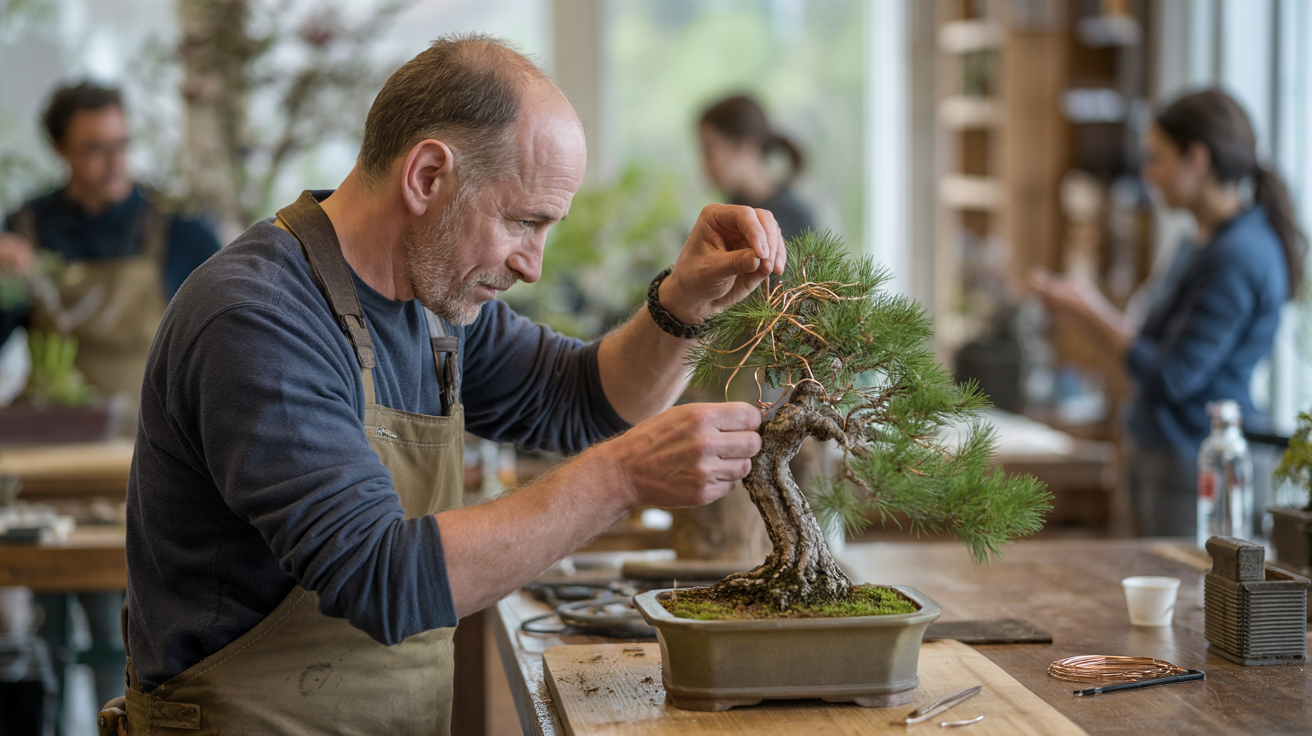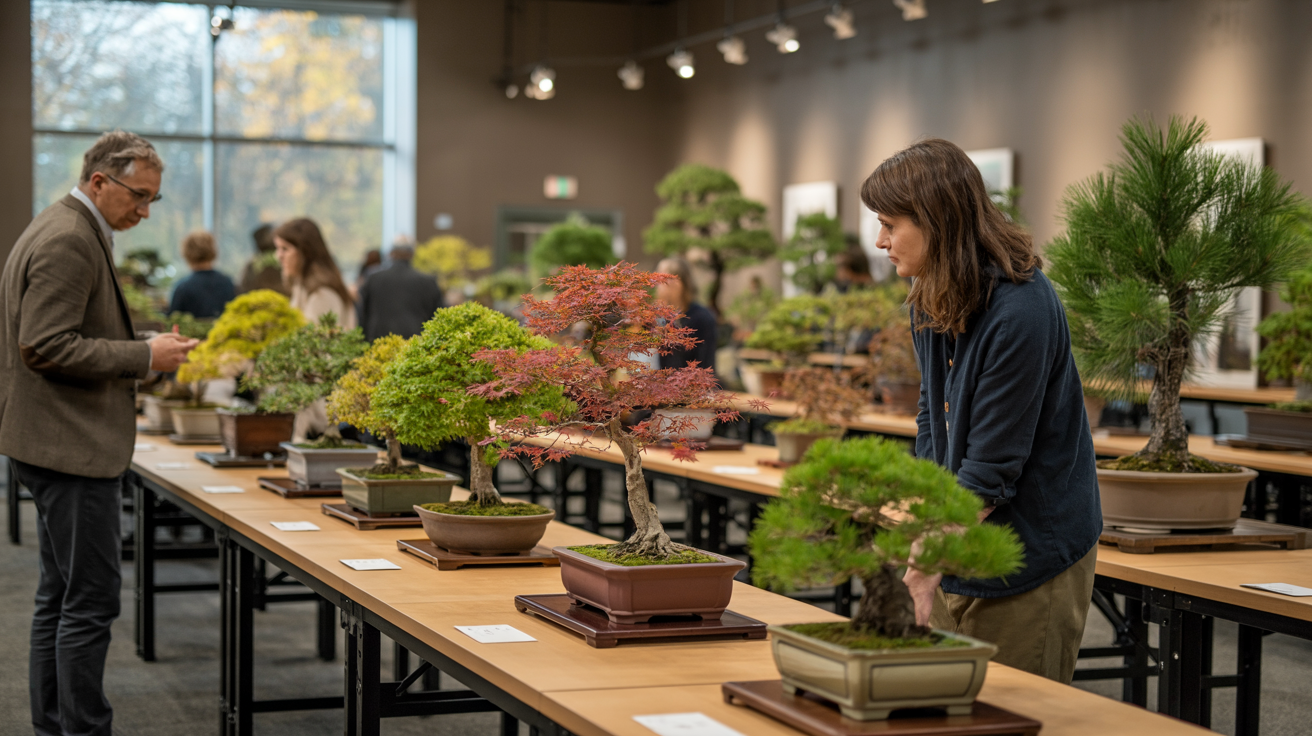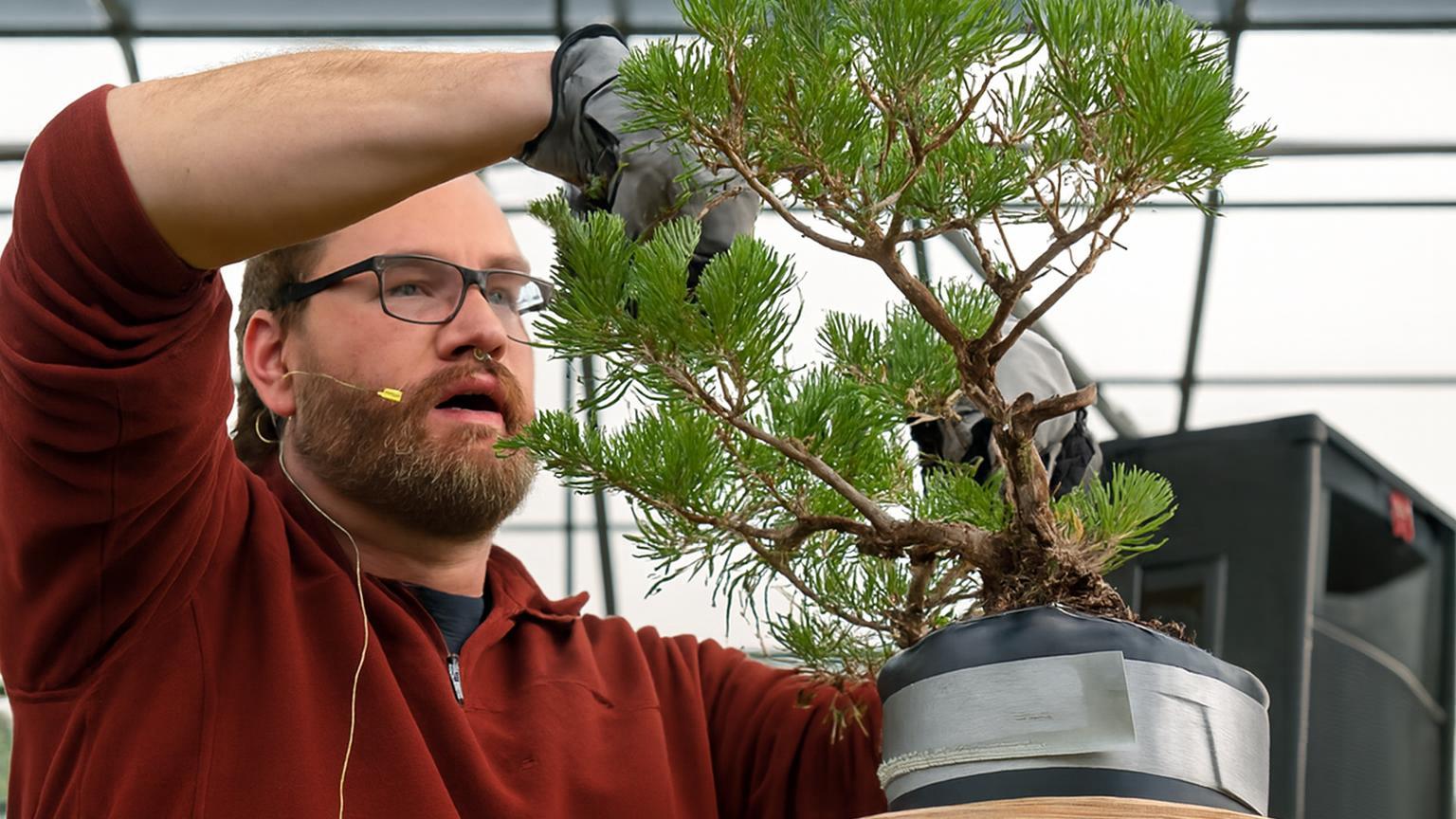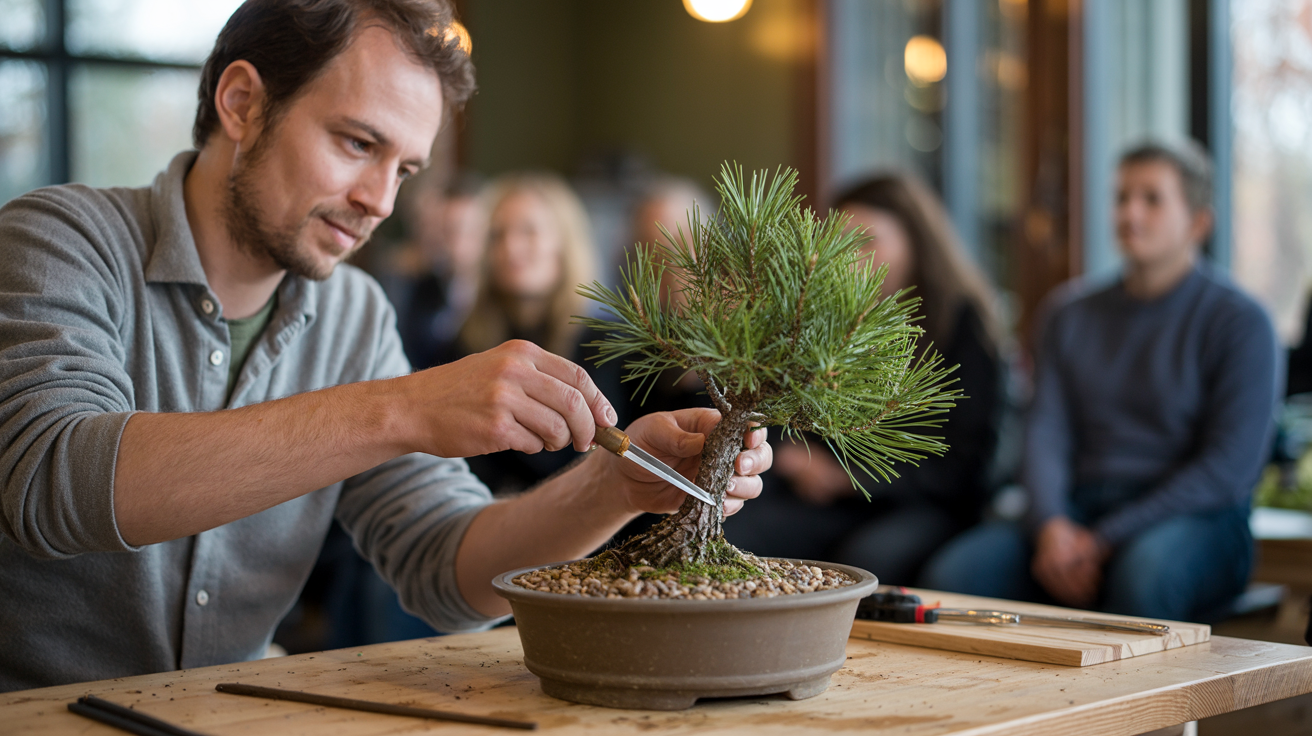

We’ve been following the work of Rafael Torres for some time now, and what strikes us most is not simply technical mastery—though that’s clearly present—but rather the coherent philosophy that underpins every tree he shapes. In an art form where traditions can sometimes calcify into mere repetition, Torres represents something we find increasingly valuable: a practitioner who honors foundational principles while simultaneously questioning how those principles translate across different cultural contexts and environmental realities.
Torres is widely regarded as one of the most influential voices in contemporary bonsai, particularly within the Spanish-speaking world, where he has helped cultivate a thriving community of practitioners. His work demonstrates a deep engagement with bonsai aesthetics, yet what distinguishes his approach is the way he adapts classical Japanese design concepts to Mediterranean and tropical species that behave quite differently from the pines and maples central to traditional training.
In our view, this is where Torres offers his most significant contribution. Rather than forcing non-traditional material into forms that don’t suit its growth habits, he asks a more fundamental question: what does refinement mean for this particular species, in this particular climate? We’ve observed that his styling often emphasizes the inherent character of the wood and foliage rather than imposing a predetermined ideal. This might sound obvious, but it’s a distinction many growers overlook in their eagerness to recreate forms they’ve seen in books or exhibitions.
A Distinctive Approach to Material
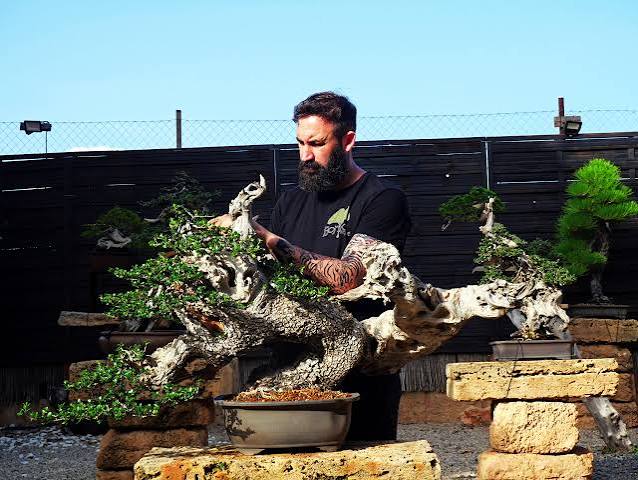
Torres is known for his work with native European species—olives, figs, and various Mediterranean specimens that present unique challenges. These trees don’t always respond to wiring and pruning in the same predictable ways as Japanese maples or black pines. Their growth is often more vigorous, less forgiving of certain techniques, and visually quite different in trunk texture and branch structure. What we appreciate is how Torres seems to work with these characteristics rather than against them, allowing the material to inform the design process rather than the reverse.
This isn’t about abandoning discipline or accepting whatever the tree offers. Quite the opposite. It requires a deeper understanding of horticulture, of seasonal growth patterns, of when to intervene aggressively and when to wait. We see in his work a patience that doesn’t mistake activity for progress—a lesson many of us would do well to internalize.
Educational Influence and Accessibility
Beyond his own trees, Torres has been instrumental in making quality bonsai education more accessible through digital platforms. His demonstrations and explanatory content have reached growers who might never attend a traditional workshop or apprenticeship. This democratization of knowledge is something we believe strengthens the art form, even as some purists worry about dilution of standards.
What impresses us is that his teaching doesn’t rely on mystification. He explains the reasoning behind techniques, the horticultural principles at work, and the aesthetic judgments being made. This transparency invites students to think critically rather than simply imitate—a far more valuable educational model for developing the next generation of skilled practitioners.
Our Take
Rafael Torres matters because he represents a bridge between tradition and adaptation, between reverence for bonsai as a Japanese art form and its genuine internationalization. He demonstrates that respecting the essence of bonsai doesn’t require slavish imitation of forms developed for different species in different climates. Instead, it demands the harder work of understanding underlying principles and applying them thoughtfully to whatever material you’re actually growing.
The Takeaway
Here’s what we’d encourage readers to learn from Torres’s example: spend less time trying to make your trees look like someone else’s, and more time understanding what your specific material wants to become. Study the growth habits of your species. Observe how they respond to your climate, your soil, your techniques. Let that knowledge shape your design choices. The result won’t be formulaic—it will be genuinely yours, and genuinely responsive to the living tree in front of you. That, ultimately, is what separates competent technique from meaningful artistry.
This article was created with AI assistance by the Bonsai World editorial team.