
Beyond the Branches: Understanding the Deeper Meaning of Bonsai
When most people encounter their first bonsai tree, they see a miniature plant in a decorative pot. While this observation isn’t wrong, it barely scratches the surface of what bonsai truly represents. Bonsai is not merely a tree—it’s a living art form, a philosophical practice, and a bridge between humans and nature that has been refined over centuries.
The word “bonsai” itself offers insight into this deeper meaning. Derived from the Japanese words “bon” (tray) and “sai” (planting), it literally translates to “planted in a container.” However, this simple definition belies the profound cultural and spiritual significance that bonsai carries. In both Chinese and Japanese traditions, bonsai represents the harmony between man, nature, and the soul—a trinity that reflects the practitioner’s journey toward patience, mindfulness, and artistic expression.
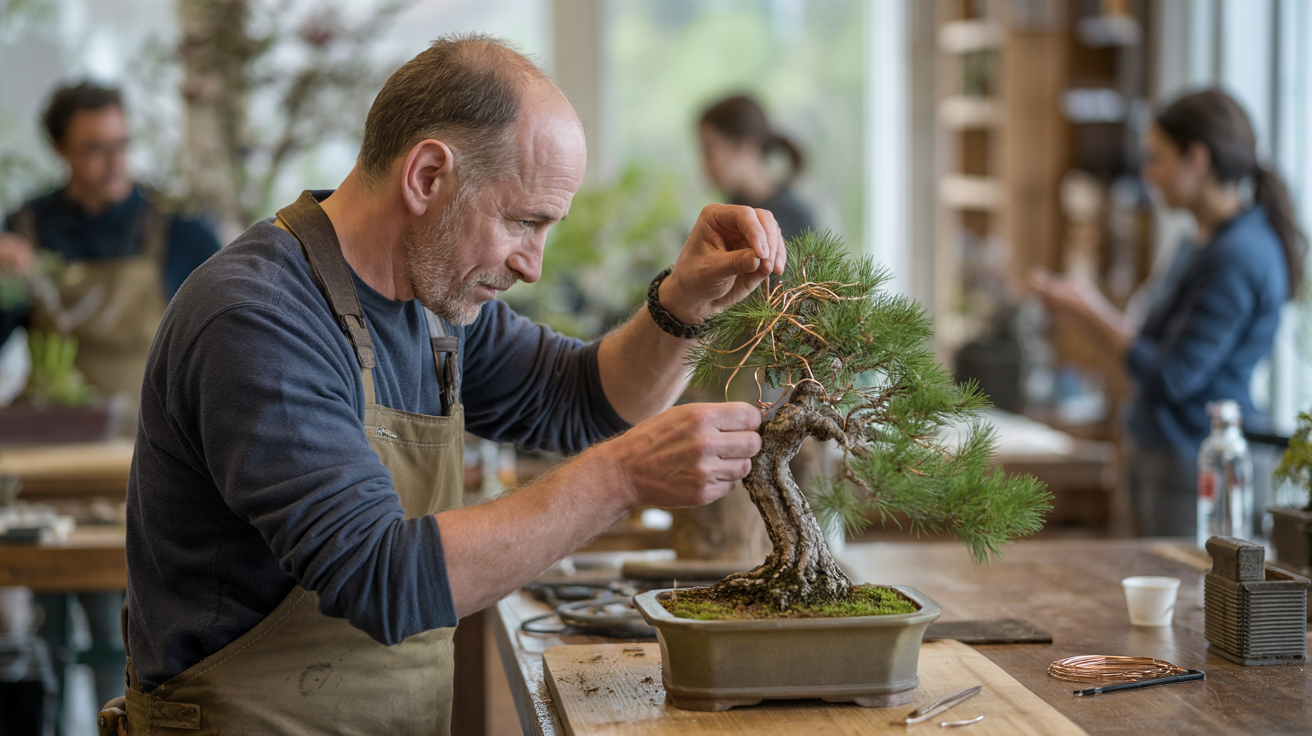
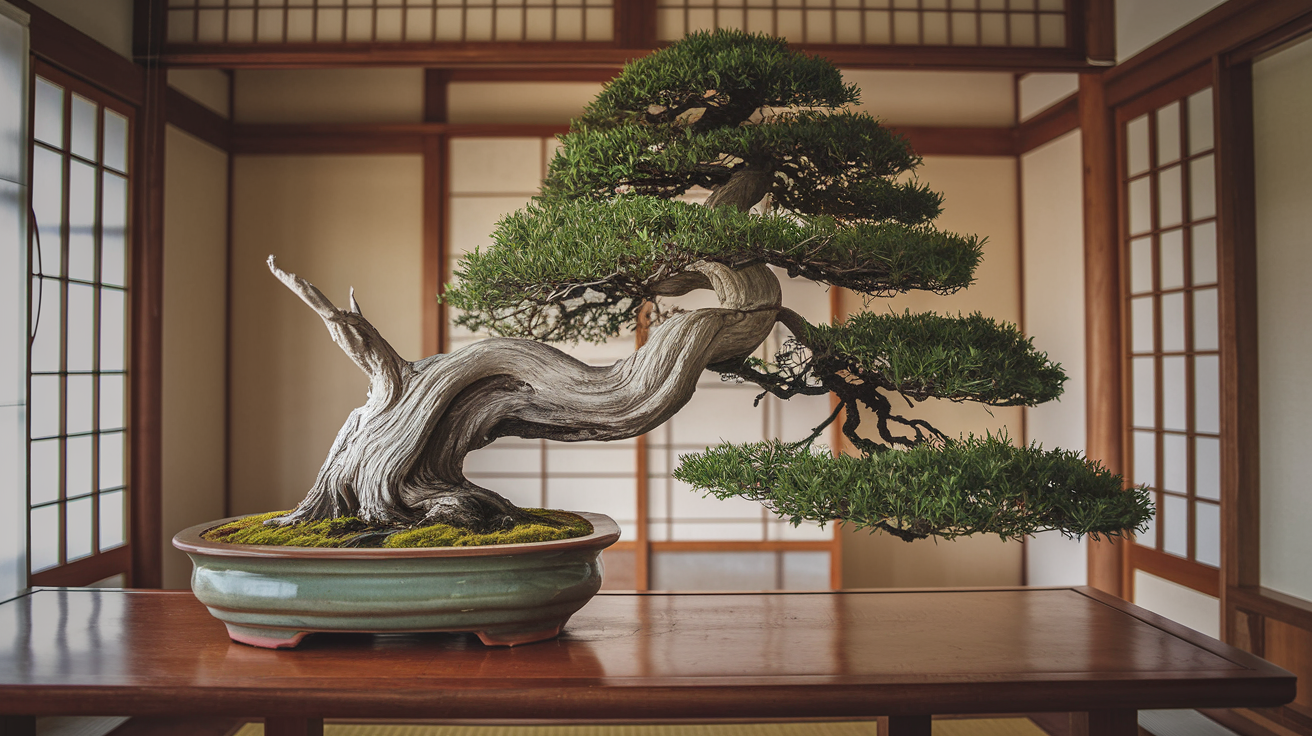
At its core, bonsai embodies the concept of “wabi-sabi,” the Japanese aesthetic philosophy that finds beauty in imperfection and impermanence. Each tree tells a story through its twisted trunk, weathered bark, and carefully positioned branches. These characteristics aren’t accidental; they’re cultivated through years or even decades of careful attention, pruning, and training. The process teaches practitioners to slow down, observe closely, and appreciate the gradual transformation that occurs over time.
The care of bonsai trees also serves as a meditative practice. Daily watering, seasonal pruning, and constant vigilance for signs of stress or disease create a routine that grounds enthusiasts in the present moment. This mindful attention fosters a relationship between the caretaker and the tree that transcends typical plant care. Many bonsai artists describe their trees as companions or even teachers, offering lessons in resilience, adaptation, and the beauty of controlled growth.
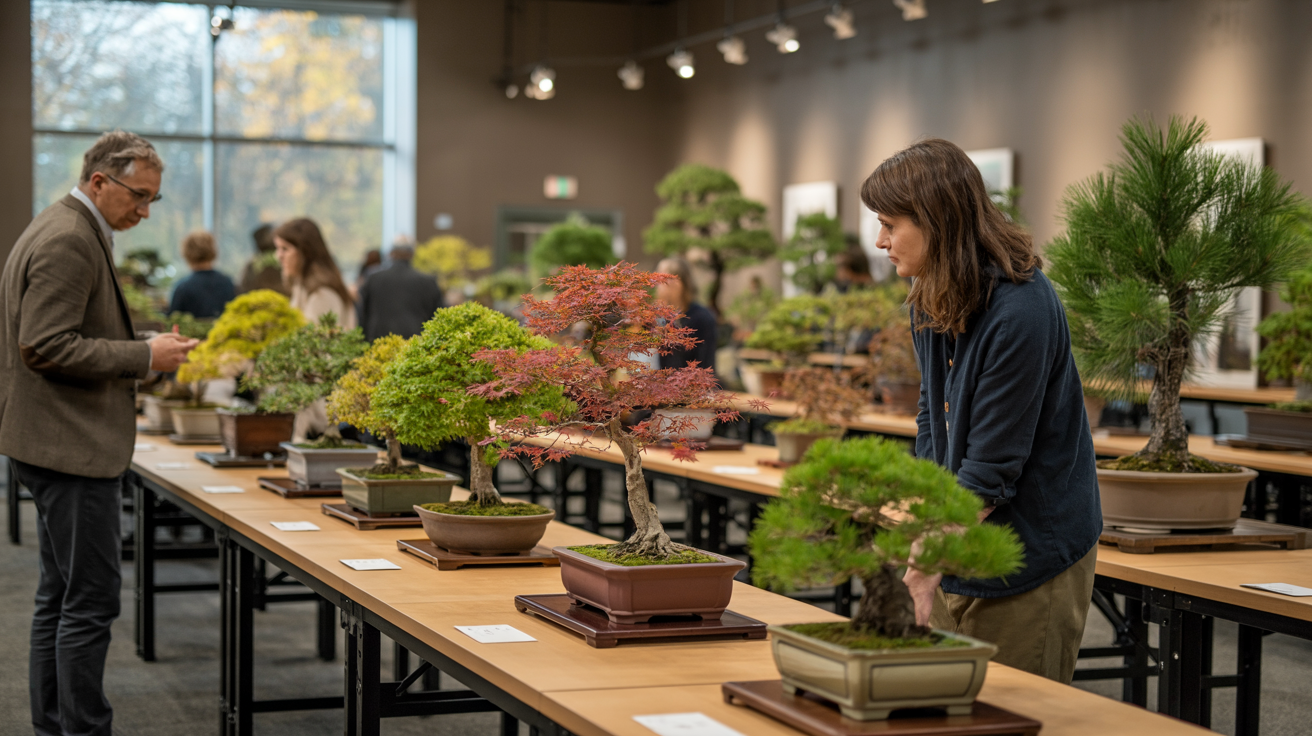
Beyond individual practice, bonsai represents a living connection to history and culture. Some trees are passed down through generations, carrying with them the accumulated expertise and artistic vision of multiple caretakers. These heirloom bonsai serve as tangible links to the past, reminding us that we are merely temporary stewards of something much larger than ourselves.
The philosophy of bonsai also challenges our modern obsession with speed and instant gratification. In an era where everything seems designed for immediate consumption, bonsai demands patience. A tree styled today may not reveal its full potential for years or decades. This long-term perspective encourages practitioners to think beyond themselves and consider the legacy they’re creating for future generations.
So when someone asks about your bonsai tree, remember that you’re not just caring for a plant in a pot. You’re participating in an ancient art form, practicing mindfulness, and connecting with a philosophical tradition that spans continents and centuries. Bonsai is indeed far more than just a tree—it’s a way of seeing, being, and understanding our place in the natural world.