
Bonsai in the Blue Ridge: A Celebration of Living Art in North Carolina
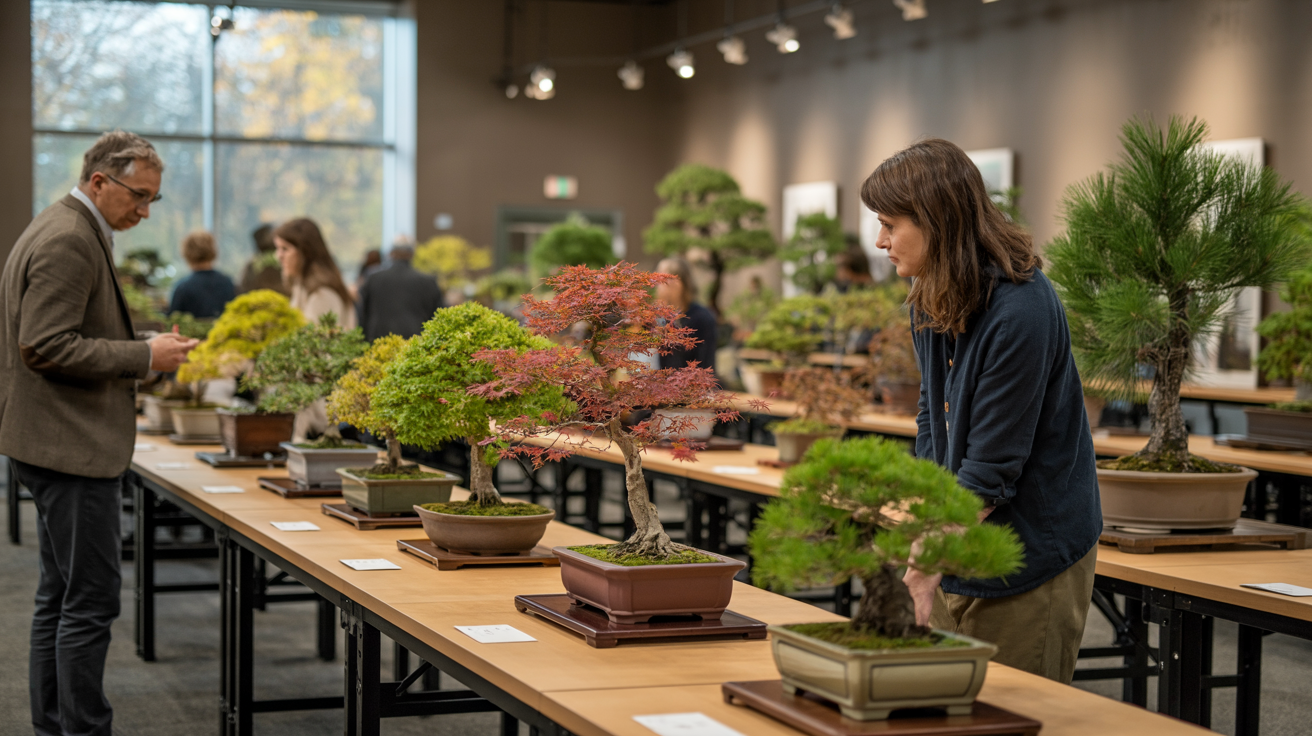
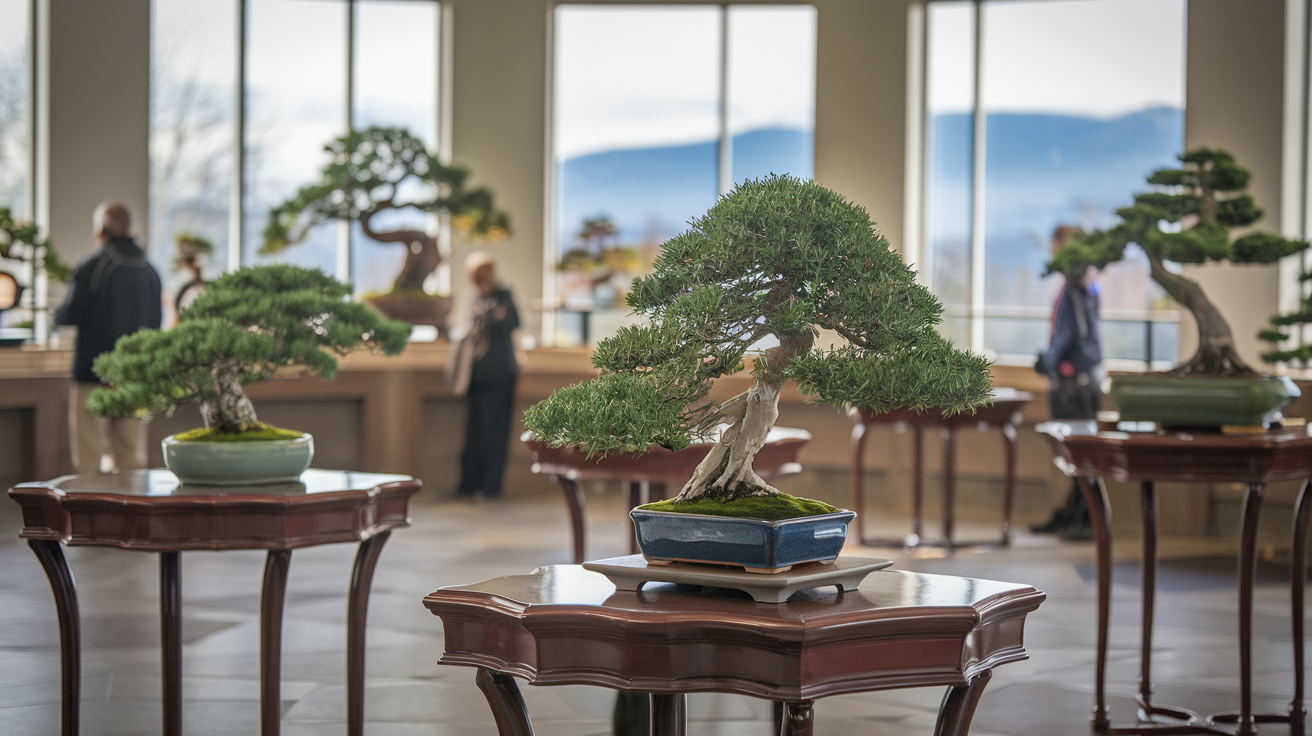
The North Carolina Arboretum has become a temporary home to one of the most captivating displays of living art this season. The ‘Bonsai in the Blue Ridge’ exhibit showcases dozens of meticulously crafted bonsai trees, offering visitors a rare opportunity to witness the convergence of horticultural excellence and centuries-old tradition in the heart of the Appalachian Mountains.
This remarkable exhibition serves as a testament to the growing appreciation for bonsai culture in North America. What began as an ancient Asian practice has found fertile ground in Western soil, with enthusiasts across the continent dedicating themselves to mastering this intricate art form. The Blue Ridge region, with its naturally dramatic landscapes and diverse native species, provides an ideal setting for exploring the relationship between bonsai cultivation and the natural world.
For those new to bonsai, exhibitions like this one offer invaluable learning experiences. Seeing dozens of specimens in one location allows visitors to observe different styling techniques, species selections, and stages of development. From elegant cascade styles that mimic trees growing on cliff faces to formal upright designs that embody strength and stability, each display tells its own story of patience, vision, and careful cultivation.
The philosophy underlying bonsai practice resonates deeply with the mountainous setting of this exhibit. Both the Blue Ridge landscape and bonsai art emphasize the beauty found in nature’s resilience and adaptation. Bonsai practitioners don’t simply miniaturize trees; they capture the essence of aged specimens that have weathered storms, adapted to harsh conditions, and emerged with character and dignity. This same spirit pervades the ancient mountains surrounding the arboretum.
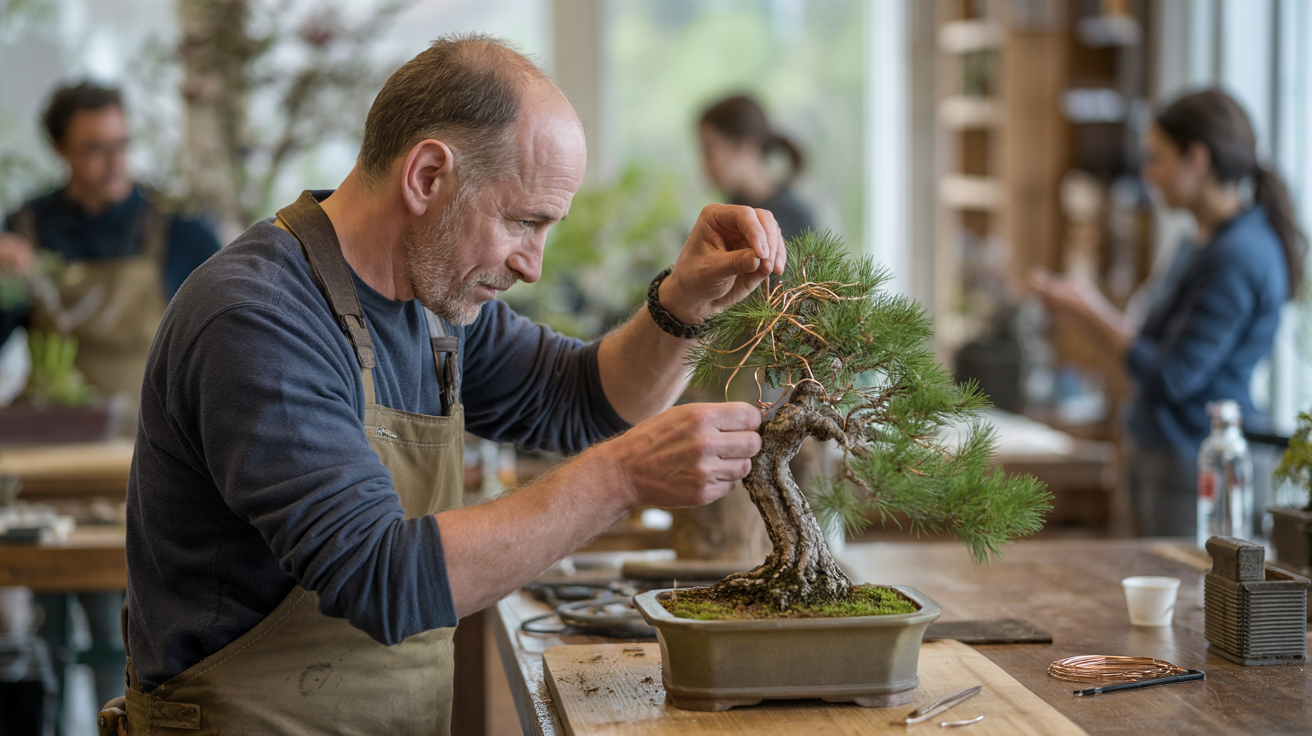
For established bonsai enthusiasts, such exhibitions provide inspiration and opportunities to refine their own techniques. Observing how master growers have solved common challenges like ramification, nebari development, and proportion can spark new ideas for one’s own collection. The exhibit also highlights the importance of proper care fundamentals that apply regardless of experience level: appropriate watering schedules, balanced fertilization, strategic pruning, and seasonal protection.
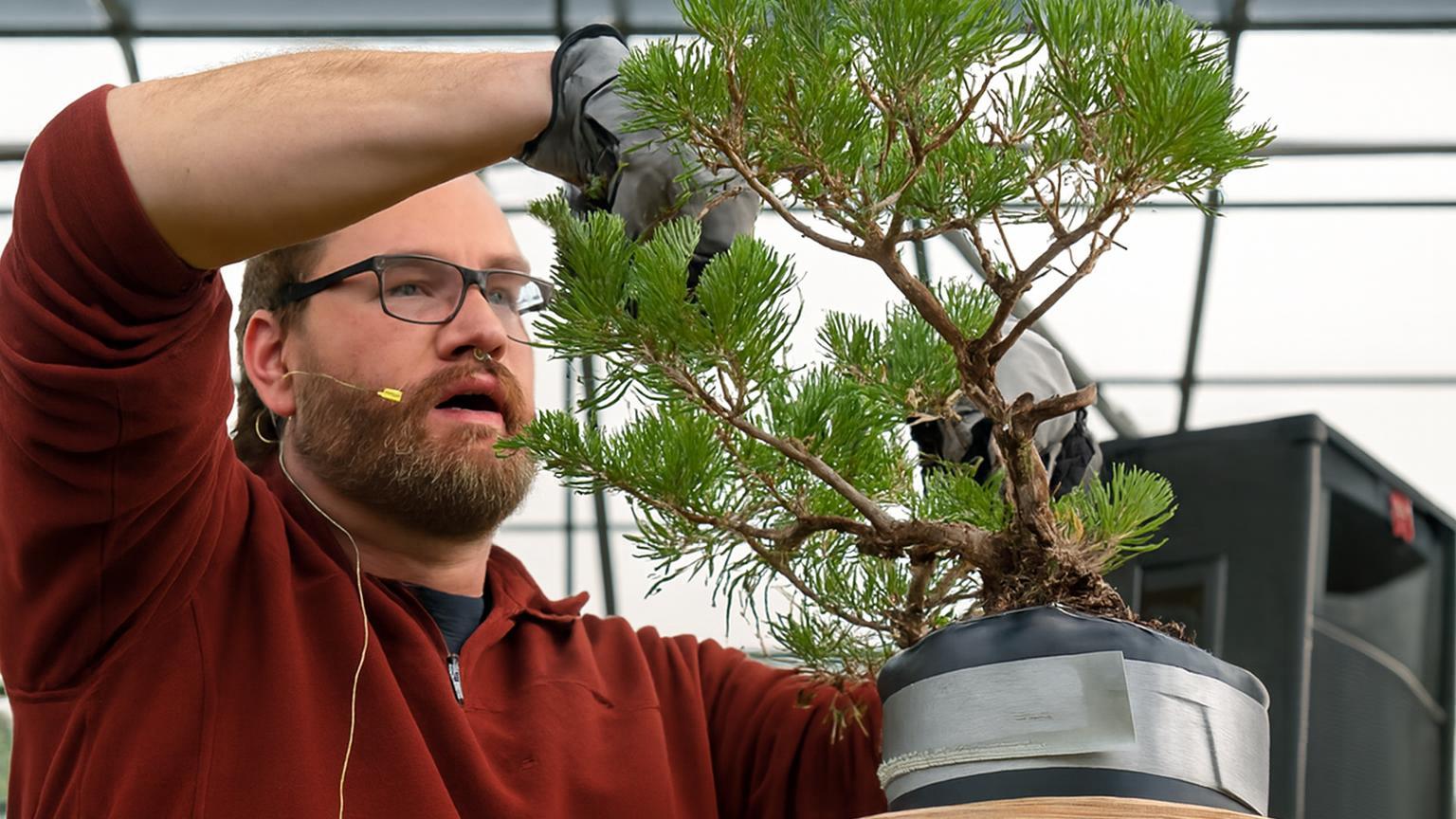
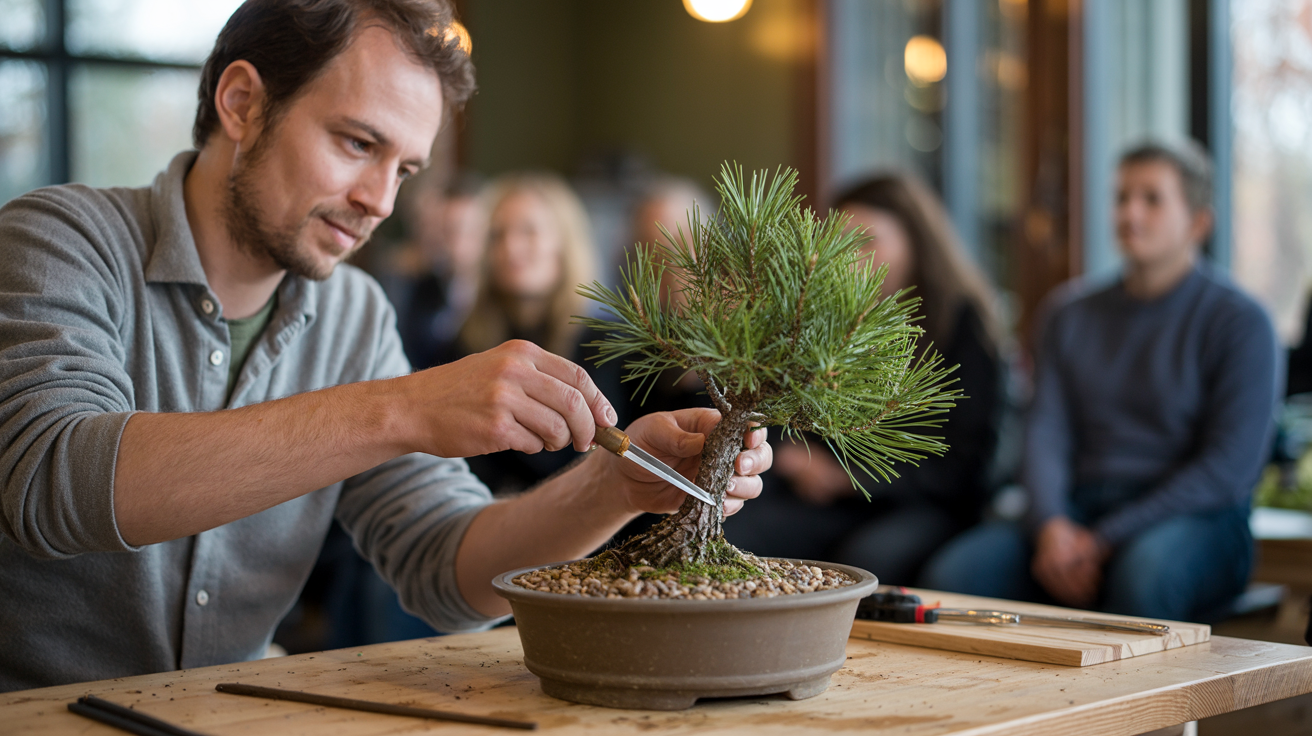
Beyond the technical aspects, events like ‘Bonsai in the Blue Ridge’ strengthen the sense of community that sustains bonsai culture. They create spaces where practitioners can connect, share knowledge, and celebrate their collective passion. These gatherings remind us that bonsai is more than a solitary hobby; it’s a living tradition passed from teacher to student, sustained by shared enthusiasm and mutual respect.
Whether you’re a seasoned bonsai artist or someone simply curious about these miniature marvels, exhibitions of this caliber offer something valuable. They invite us to slow down, observe carefully, and appreciate the extraordinary dedication required to shape living trees into timeless works of art. The ‘Bonsai in the Blue Ridge’ exhibit stands as a beautiful reminder that patience, persistence, and reverence for nature can create something truly magnificent.