
Regional Bonsai Exhibitions: Why They Matter More Than Ever
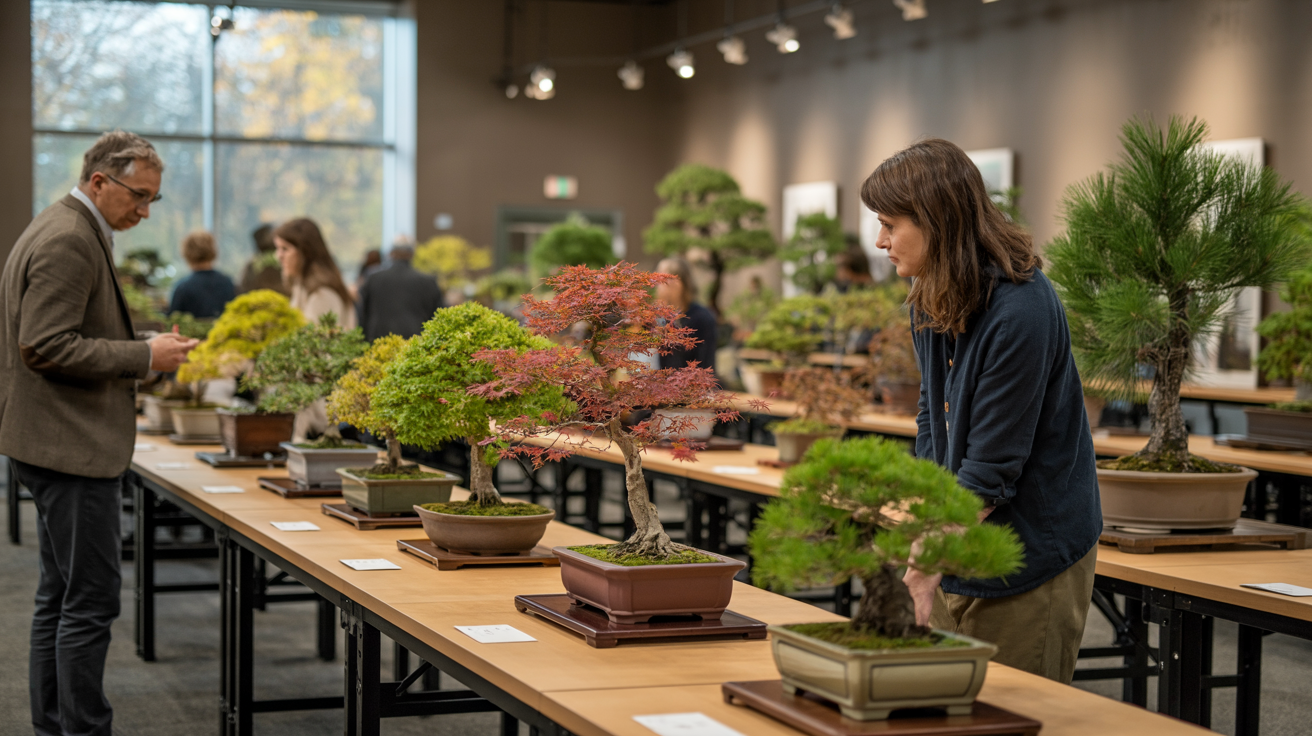
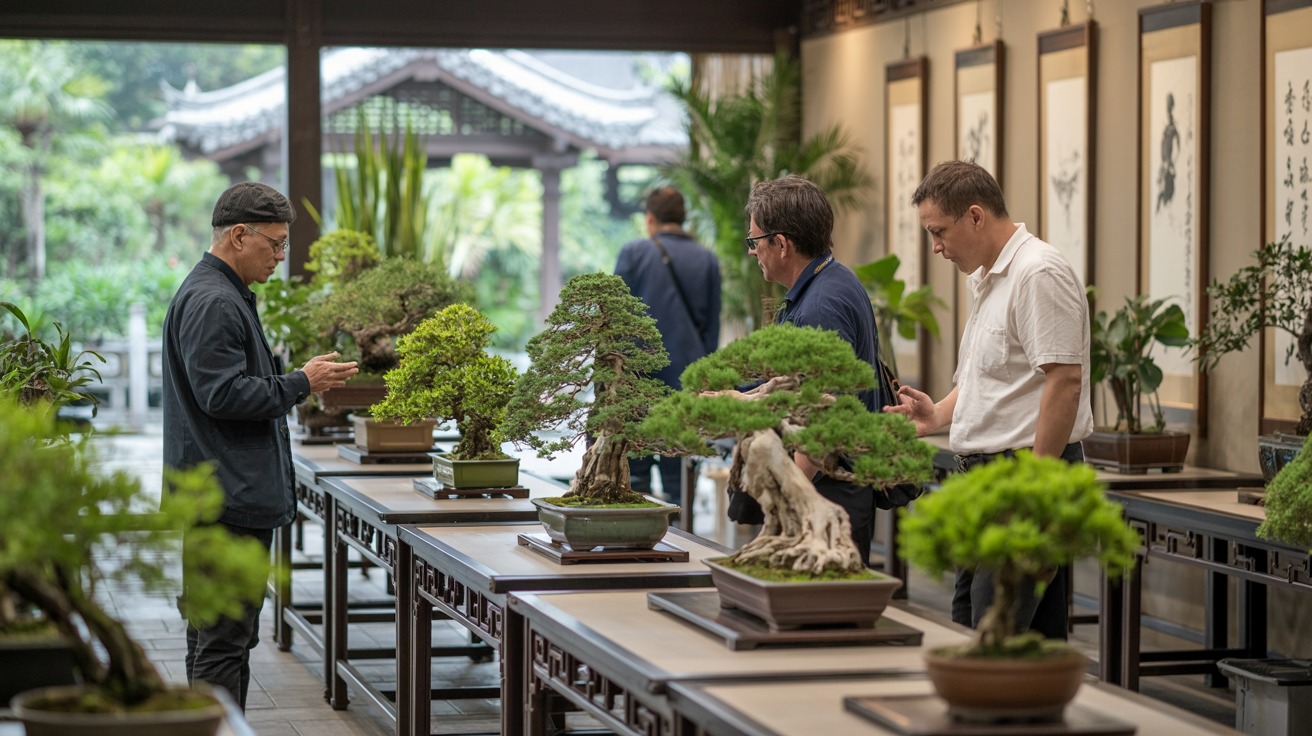
We’ve noticed a curious trend in the bonsai community: enthusiasts will travel halfway across the world to attend the prestigious Kokufu-ten in Tokyo or the European Bonsai-San Show, yet overlook remarkable exhibitions happening in their own regions. The 2026 Dongshan Bonsai Art Exhibition in Tainan exemplifies exactly why this attitude needs to shift.
The Educational Gap Regional Shows Fill
In our view, regional exhibitions offer something the international circuit simply cannot: climate-appropriate techniques and locally adapted species that you can actually replicate in your own growing conditions. Most bonsai guides assume a temperate climate with four distinct seasons, but growers in subtropical and tropical regions face entirely different challenges. When you observe trees at a regional show in southern Taiwan, for instance, you’re seeing specimens that have weathered the same humidity levels, typhoon seasons, and winter temperatures that your trees endure.
What most Western guides get wrong is the assumption that Chinese elms, ficus, and other subtropical species require the same winter dormancy approach as Japanese maples or pines. Regional exhibitions demonstrate the truth: these trees thrive with minimal winter rest in warmer climates, and forcing dormancy can actually weaken them.
The Technique Transfer Problem
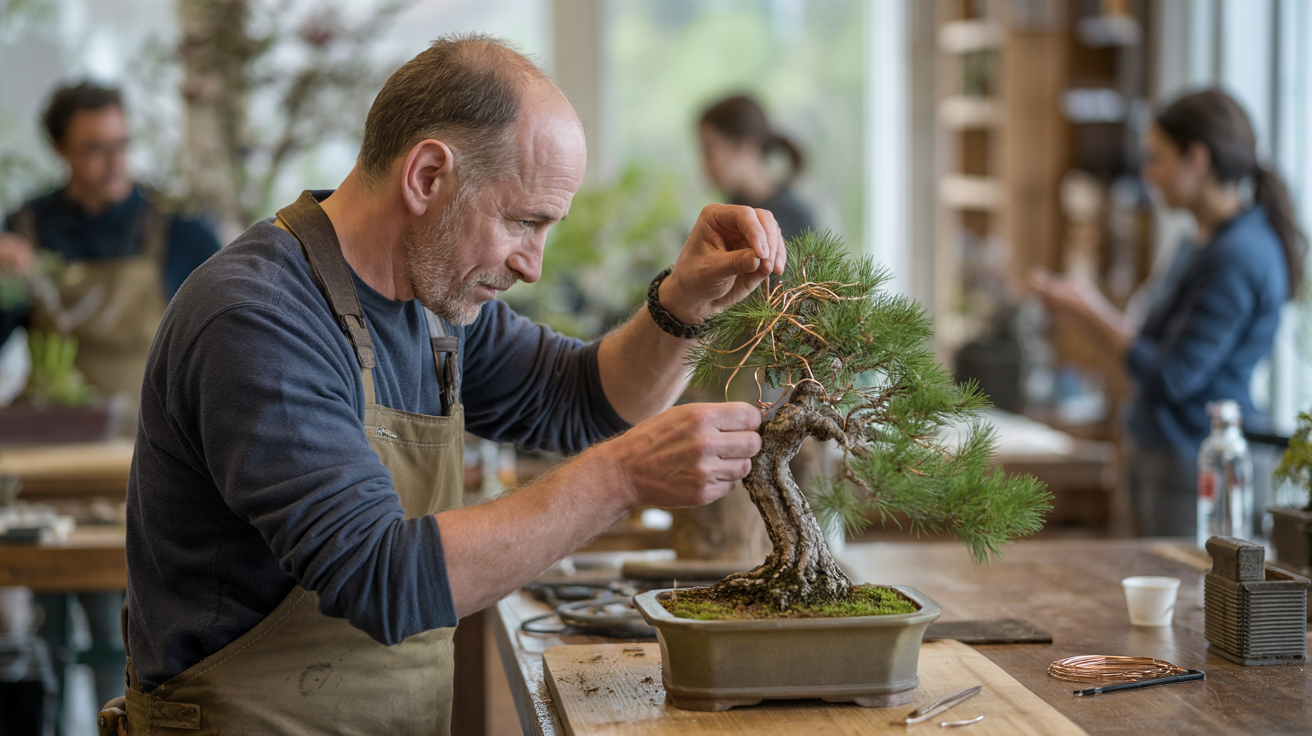
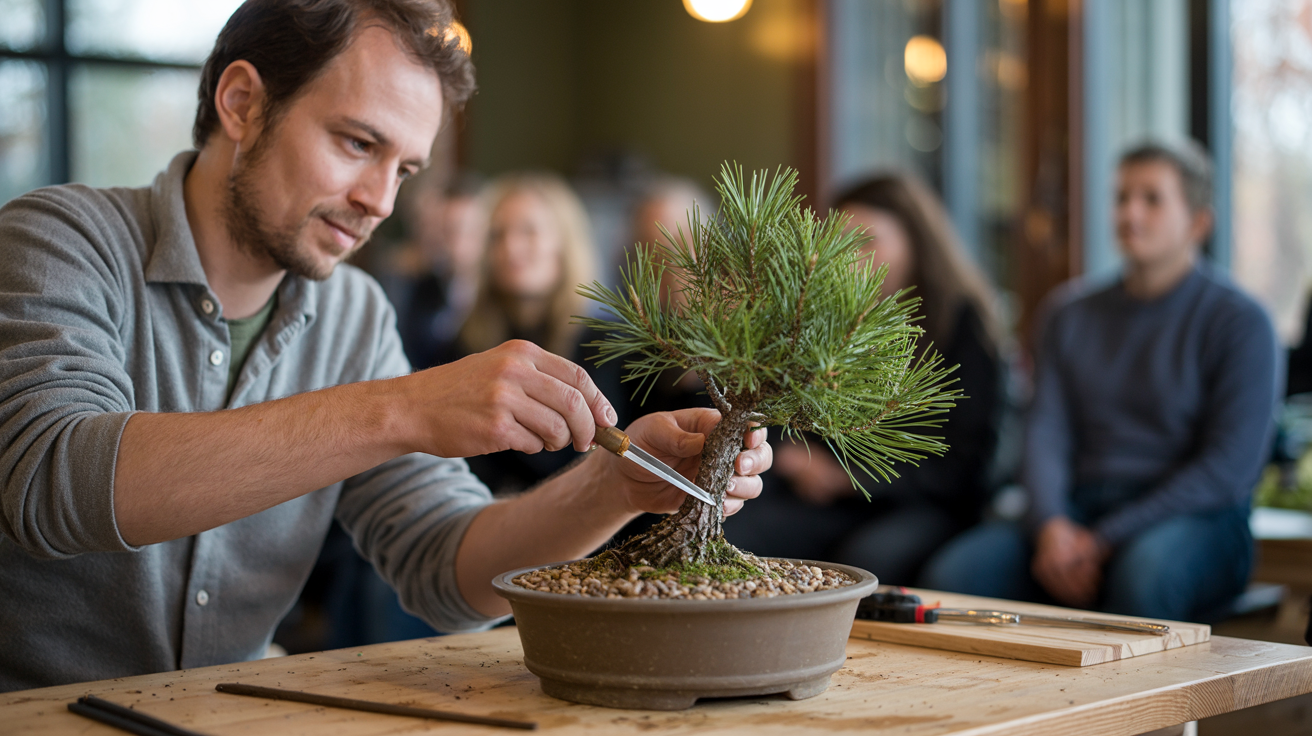
Here’s what we would argue is the most significant benefit of attending local exhibitions: you can actually speak with the growers in person about their specific techniques. At international shows, language barriers and crowds often prevent meaningful exchange. At regional events, you’ll find artists eager to discuss their watering schedules, substrate mixes adjusted for local conditions, and pest management strategies that work in your actual environment.
Consider ramification techniques for tropical ficus species. The standard advice calls for early spring pruning, but in subtropical climates without hard frosts, the optimal timing shifts dramatically. We’ve observed that successful growers in these regions perform their major structural pruning in late winter, around February, just before the strongest growth flush. They then do secondary refinement pruning in early autumn, taking advantage of a second, milder growth period.
A Concrete Technique: The Two-Stage Defoliation Method
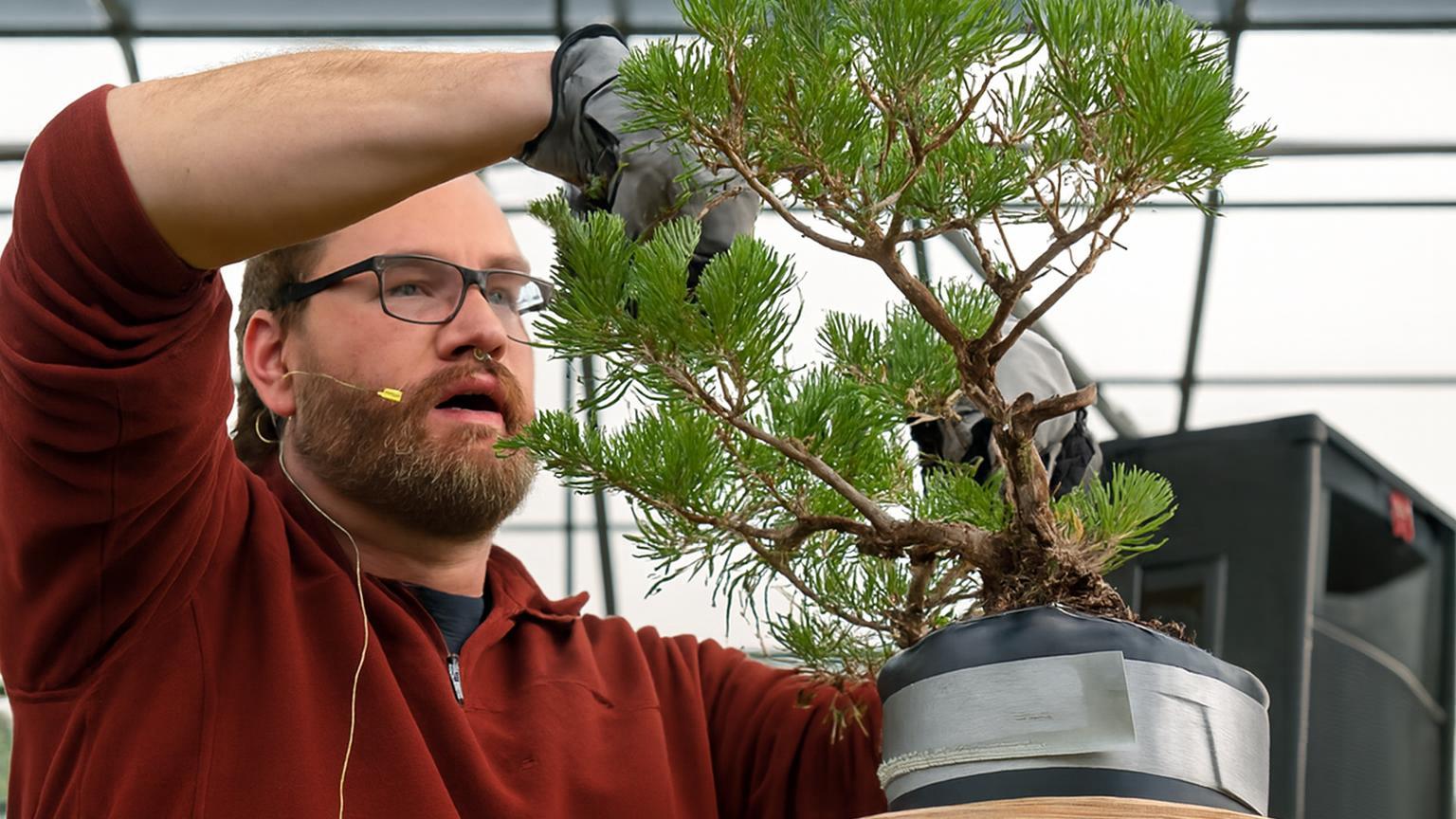
One approach particularly suited to subtropical climates, which you’ll often see demonstrated at regional Taiwanese exhibitions, is the two-stage partial defoliation for Chinese elms and similar species. Here’s how it works:
- In late spring, remove only the largest leaves, leaving smaller foliage intact to maintain photosynthesis
- Increase fertilization slightly to support new growth
- After two weeks, when new buds have set, remove the remaining old leaves
- This staggered approach prevents the shock that complete defoliation can cause in humid climates where fungal issues proliferate on stressed trees
The detail that generic summaries miss: in high-humidity environments, the cut petioles from defoliation become entry points for pathogens. By staging the process and maintaining some canopy throughout, you keep the tree’s defense systems active.
Our Take
Regional exhibitions aren’t second-tier events—they’re specialized learning opportunities that connect technique to terroir. The globalization of bonsai knowledge has brought tremendous benefits, but it’s also created a homogenization that doesn’t serve growers in non-temperate climates. Supporting and attending regional shows preserves local expertise and species-specific knowledge that would otherwise disappear into the noise of generic international advice.
Actionable Takeaway
Identify the next bonsai exhibition within 200 miles of your location and commit to attending. Bring a notebook specifically to record substrate compositions, fertilizer brands, and watering frequencies that local growers actually use. These practical details matter far more than the philosophical discussions that dominate international forums. Your trees will thank you for learning from someone who battles the same summer heat or winter rain that you do.
This article was created with AI assistance by the Bonsai World editorial team.