
The Art of Timely Pruning: June Bonsai Care Lessons from Traditional Gardening
As gardening experts remind us that June represents a critical window for pruning various plants, bonsai enthusiasts are already intimately familiar with this fundamental truth: timing is everything. While traditional gardeners may prune their shrubs and perennials once or twice a season, bonsai practitioners understand that the art of careful, intentional pruning is a year-round meditation that reaches a crescendo during the early summer months.
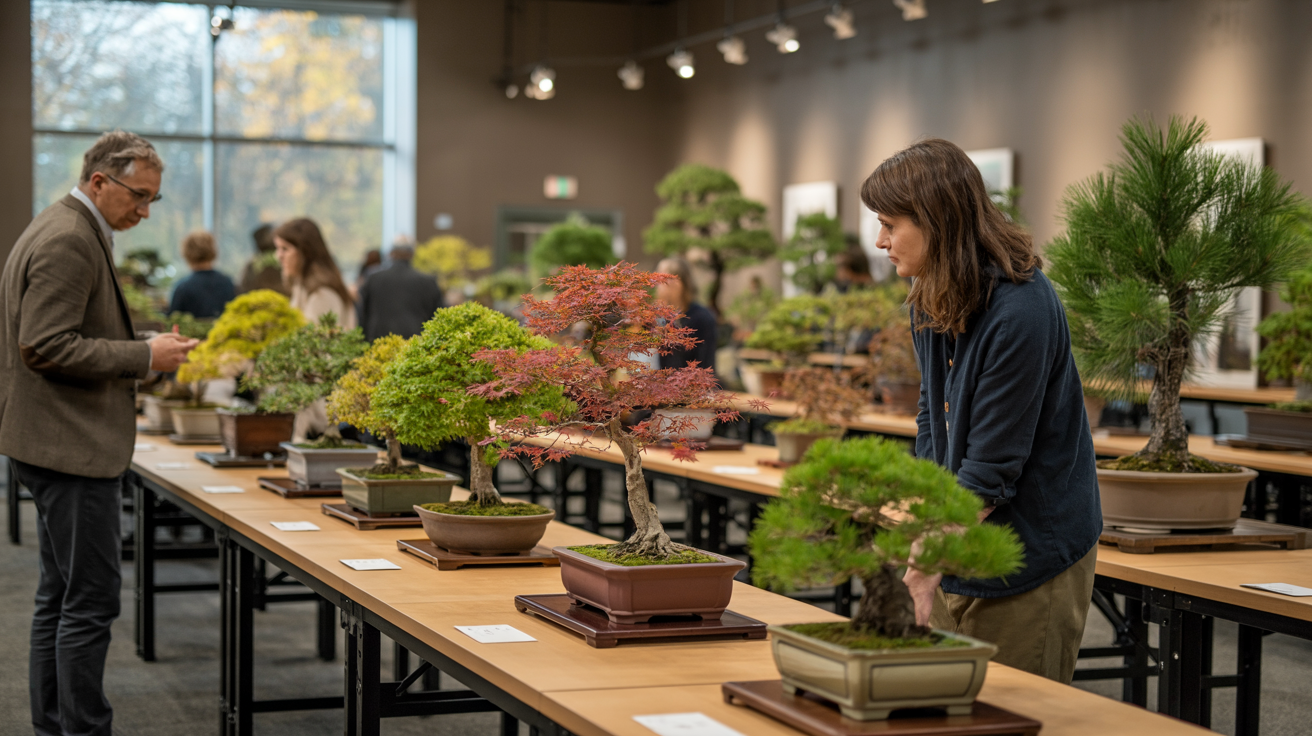
June stands as a pivotal moment in the bonsai calendar, a time when spring’s vigorous growth begins to settle and trees enter a phase where structural pruning can have the most beneficial impact. For deciduous bonsai species like Japanese maples, elms, and hornbeams, early June pruning allows you to shape the tree’s silhouette before the wood hardens completely, yet after the initial flush of spring growth has provided the tree with essential energy reserves.
The philosophy behind June pruning in bonsai extends beyond simple maintenance. It embodies the Japanese concept of “metsumi,” or bud pinching, which encourages ramification and creates the delicate branch structure that distinguishes a masterful bonsai from a mere potted tree. By removing unwanted growth now, you redirect the tree’s energy toward developing the fine, intricate branching patterns that can take decades to achieve through less attentive methods.
Flowering bonsai varieties particularly benefit from post-bloom June pruning. Azaleas, wisteria, and flowering quince should be pruned immediately after their flowers fade to ensure next year’s bloom buds have adequate time to develop. This practice mirrors the advice given to traditional gardeners but requires greater precision and artistry when applied to miniature trees. Each cut must consider not only the health of the plant but also its aesthetic contribution to the overall composition.
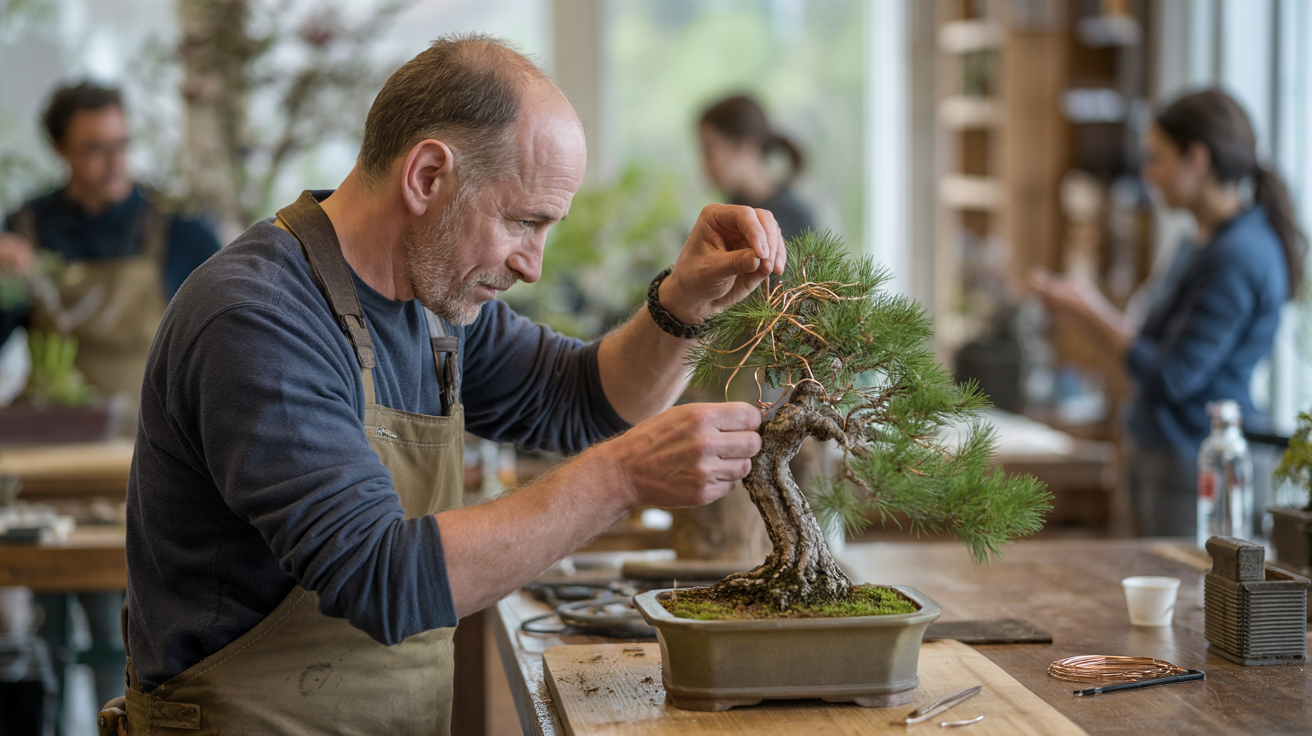
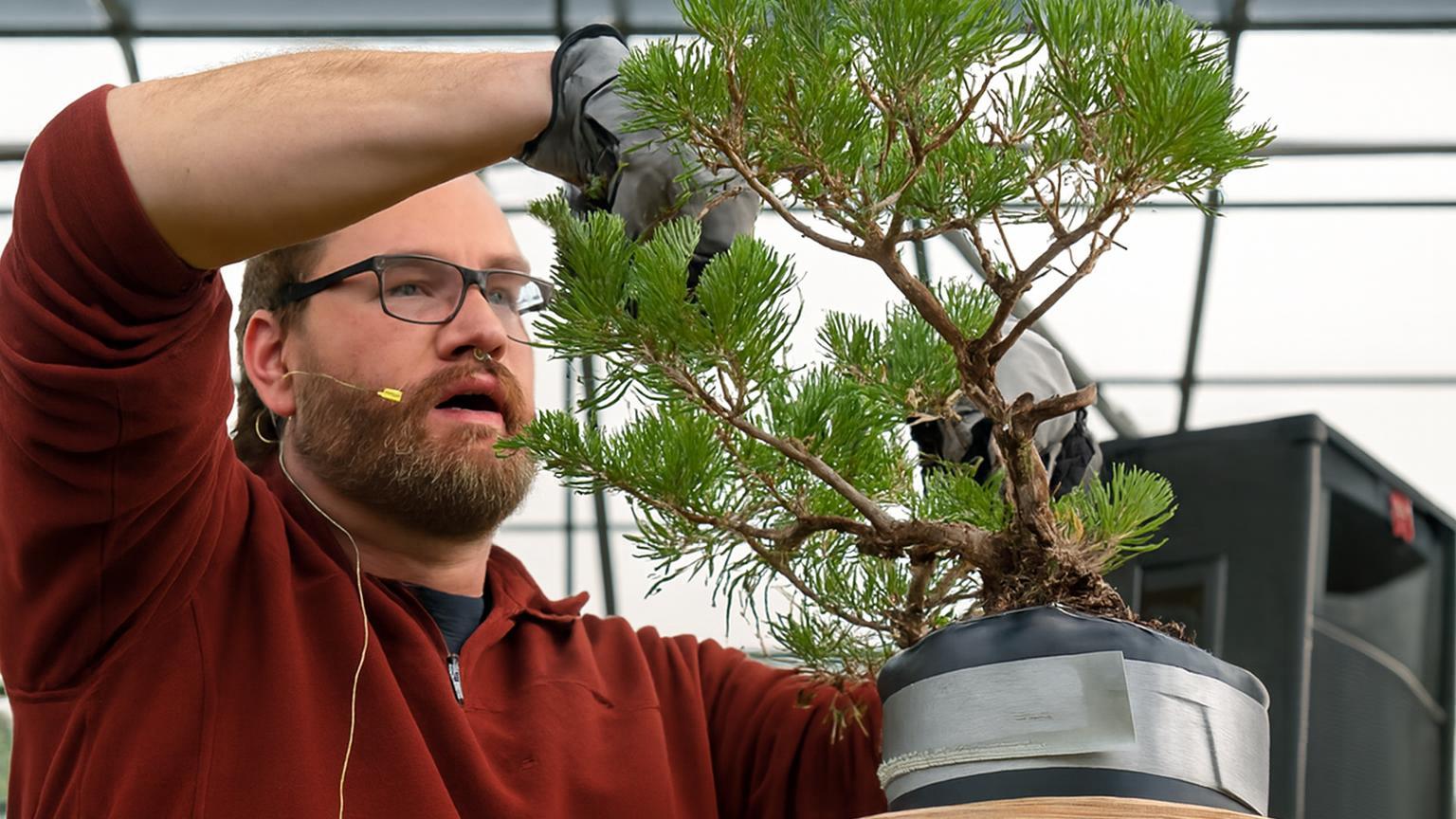
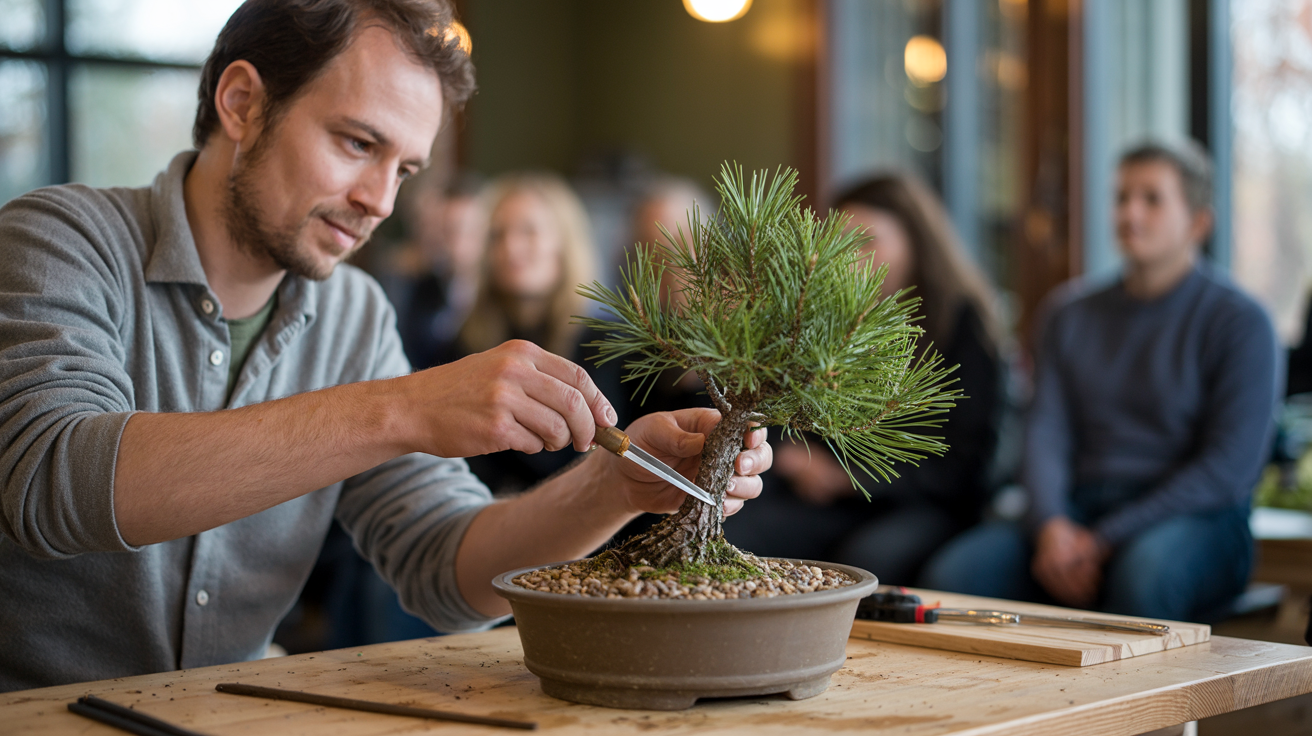
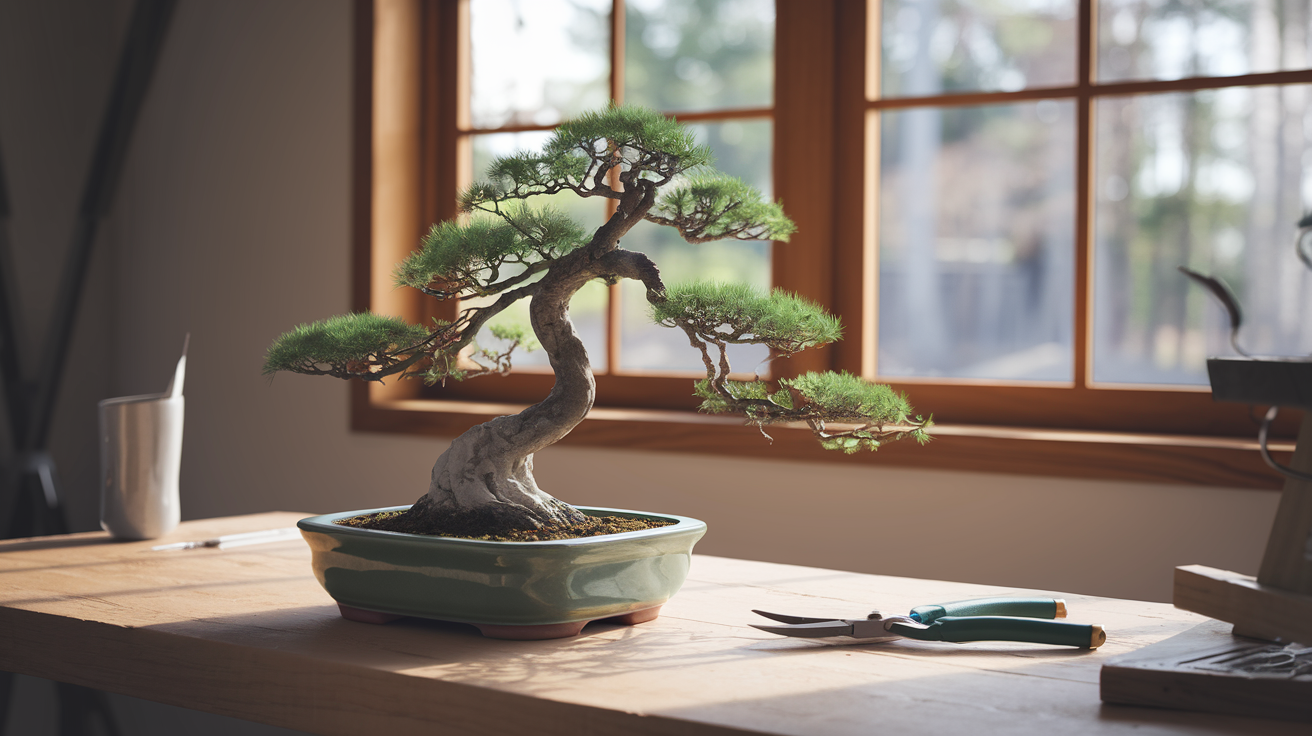
Pine bonsai require special attention during June through a technique called “candle pruning.” By removing or shortening the new candle growth before the needles fully extend, practitioners can control needle length and promote back-budding. This technique, perfected over centuries of bonsai cultivation, demonstrates how timing and technique intersect to create horticultural artistry.
The urgency expressed in the gardening world about June pruning deadlines resonates deeply within bonsai culture. Missing this optimal window doesn’t merely mean a less tidy garden; it can mean compromising years of careful development. A cut made too late may result in ugly scarring, while hesitation to prune can allow a branch to thicken beyond the design’s requirements, necessitating more drastic intervention later.
As you tend to your bonsai this June, remember that each pruning decision is both a horticultural act and a philosophical one. You’re not simply cutting back growth; you’re engaging in a dialogue with your tree, guiding its development while respecting its natural character. The experts are right: don’t wait. Your bonsai’s future form depends on the cuts you make today.