
Why Fall Is the Most Honest Season for Bonsai — and Why Most Clubs Squander It
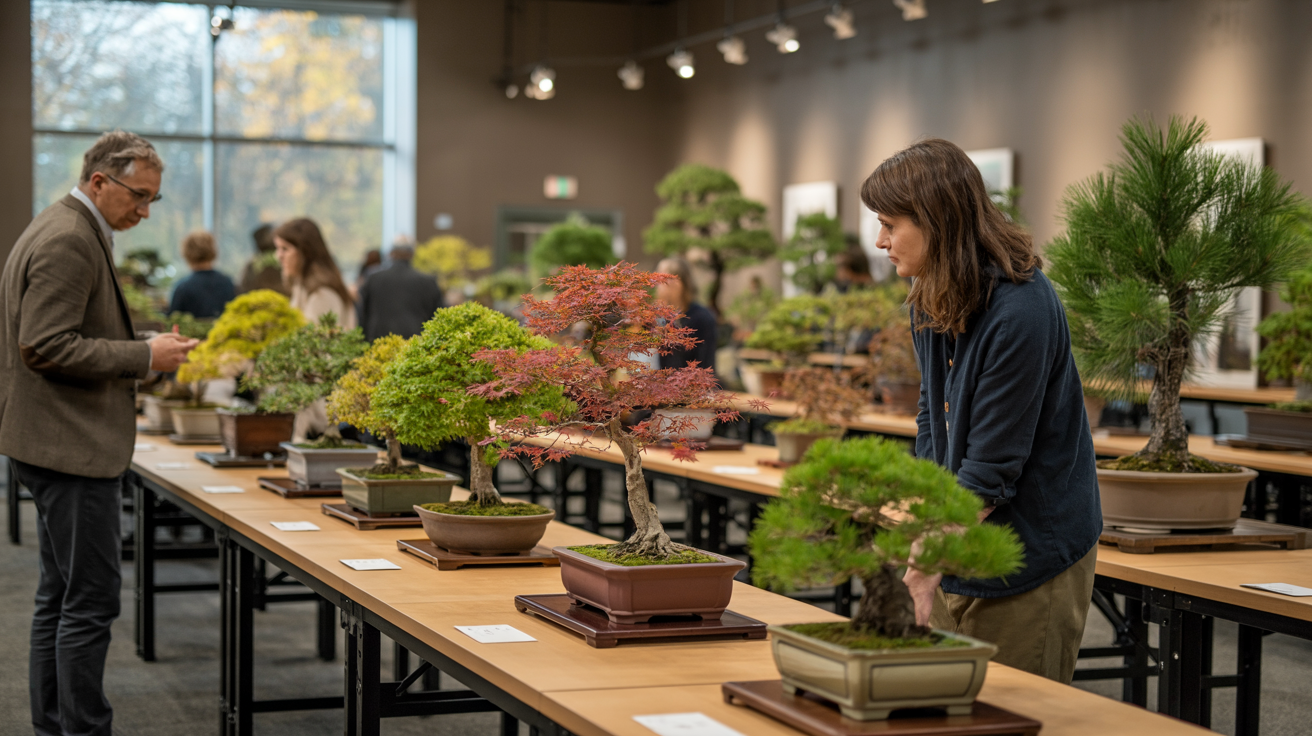
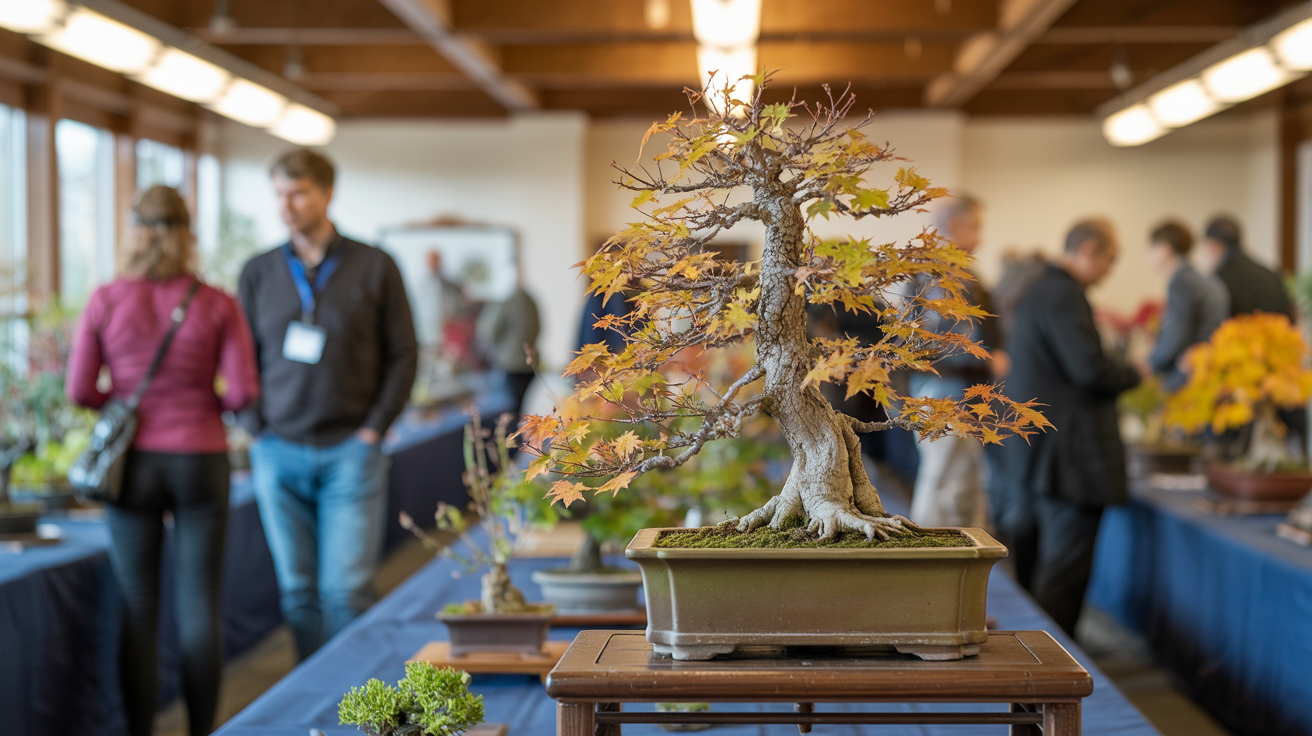
Every autumn, bonsai clubs across the Midwest and beyond dust off their display tables, polish their accent plant pots, and open their doors to the public for the annual fall show. It is a ritual we at Bonsai World genuinely love — but one we believe the bonsai community consistently undersells, misframes, and, frankly, wastes. The Fort Wayne fall bonsai show, listed on the city’s own municipal calendar and now quietly archived, is a useful mirror for this broader pattern. The fact that a city government once considered a bonsai show significant enough to host on its official web presence — and that the record has since slipped into the archived corner of the internet — tells you something about how regional shows rise, fade, and fail to build lasting institutional momentum.
Our core argument is this: fall is not the display season. It is the teaching season. And most clubs have the emphasis exactly backwards.
What Fall Actually Reveals on a Bonsai
Spring shows flatter trees. Flowering quince (Chaenomeles speciosa) in bloom, trident maple (Acer buergerianum) in fresh, bright leaf, Japanese white pine (Pinus parviflora) flushing new candles — these are trees presenting their most seductive face. Autumn is less forgiving and far more instructive. By October, a trident maple’s ramification is fully readable beneath thinning foliage. You can see exactly where last summer’s pruning decisions paid off and where they did not. A collected Eastern red cedar (Juniperus virginiana) — a species absolutely relevant to the Indiana and broader Great Lakes region — will show whether its foliage pads have genuine depth or are simply flat fans propped toward the light.
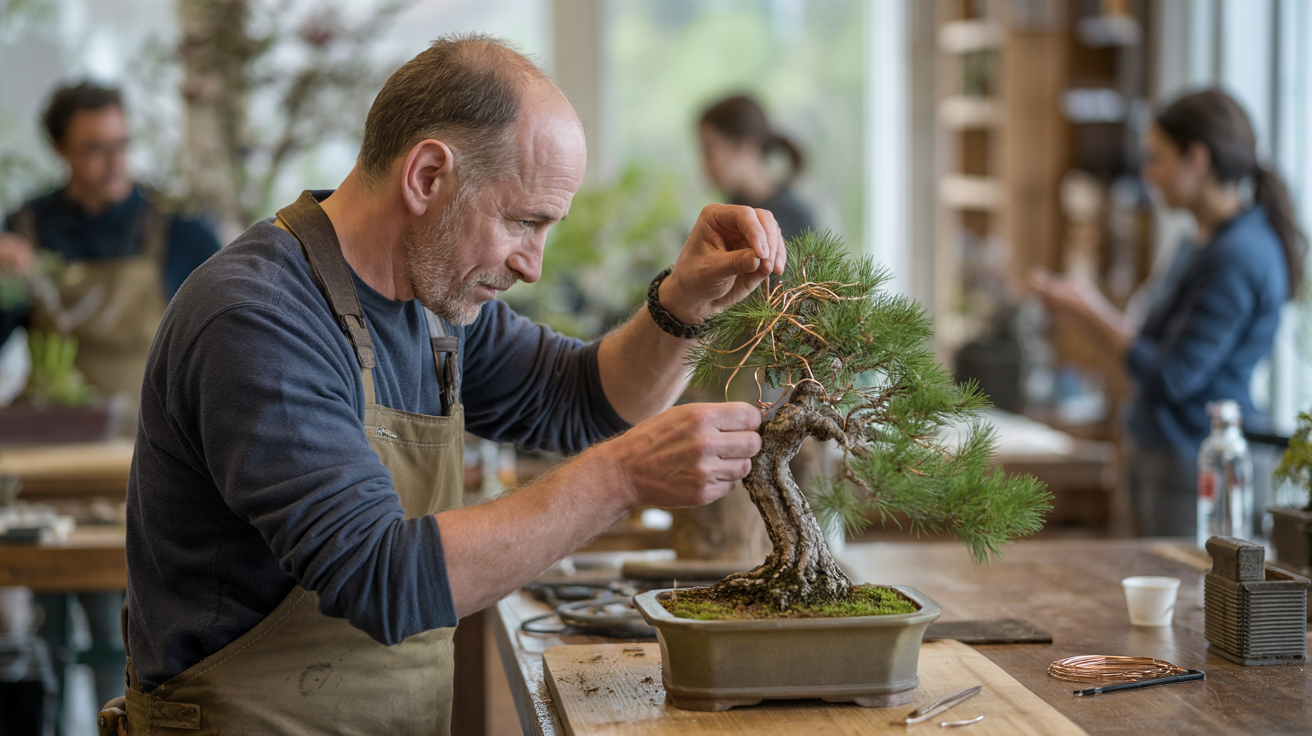
What most show guides get wrong is treating fall display as a scaled-down version of the summer open garden. It is not. Fall is the ideal moment to show work-in-progress trees alongside finished ones, precisely because the skeletal honesty of the season makes the developmental arc legible to a general audience. A visitor who can see a five-year-in-training hornbeam (Carpinus caroliniana) next to a finished forty-year-old specimen understands bonsai development in about thirty seconds of looking. No lecture required.
A Concrete Technique: The October Silhouette Check
Here is something specific you can do this week if your deciduous trees are approaching leaf drop. We call it the silhouette check, and it should precede any fall show preparation by at least three weeks.
- Place your tree — trident maple, hornbeam, or zelkova (Zelkova serrata) — on a bright but overcast day against a plain light-coloured background, ideally a white wall or a sheet.
- Step back three metres and photograph the full silhouette with your phone camera, no filter, flat light.
- On the photograph, mark every crossing branch, every downward-growing secondary that competes with upward energy, and every area where two branches originate from the same internode.
- Do your corrective pruning now, before full leaf drop, so cut ends begin callusing before winter dormancy rather than sitting open through frost.
- After pruning, rephotograph. That second silhouette is what your tree will look like on the show table in autumn — and it will already be telling judges and visitors something true about your craft.
The common mistake is waiting until the tree is fully bare to assess structure, then pruning in late November. At that point, callusing essentially stops until spring in USDA zones 5 and 6, and raw wounds going into a cold winter invite dieback on finer ramification.
Our Take
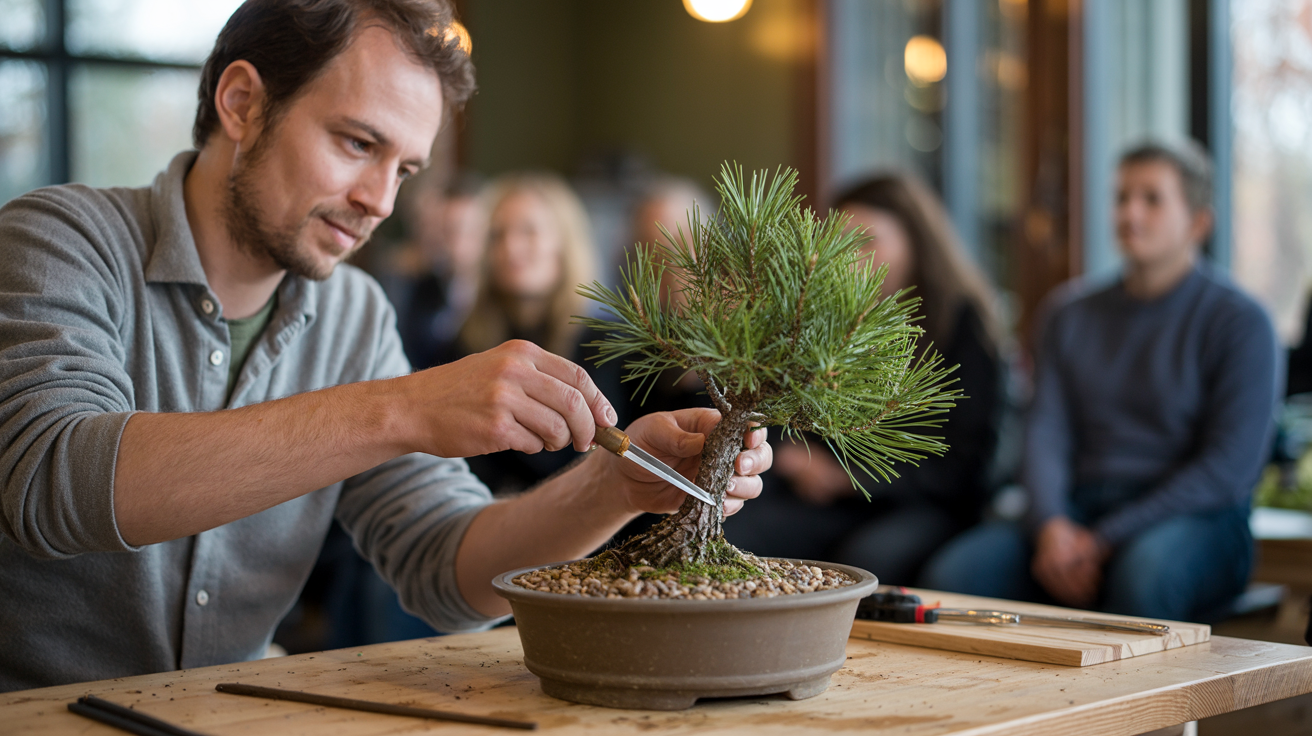
Regional shows archived and forgotten — like the Fort Wayne fall bonsai show that once appeared on the city’s official site — fade precisely because they never articulate a reason to return beyond the display itself. A show that teaches, that frames autumn’s structural honesty as a feature rather than a limitation, gives an audience something to come back for. In our view, the clubs doing this best are the ones treating their fall events as a curriculum, not a showcase. For a deeper look at how long-running regional events build that kind of staying power, we’d point you to our earlier piece on 45 Years of Bonsai in Pittsburgh — And What Every Regional Show Gets Right That Your Local Club Probably Doesn’t.
Actionable Takeaway
This week, run the silhouette check on every deciduous tree you are considering for a fall show or simply want to carry into winter with cleaner structure. Prune before full leaf drop — not after — and let the tree’s own autumn honesty guide your scissors. The fall season is giving you information. Use it.
By Redazione Bonsai World
Article researched and written with AI assistance and reviewed by the Bonsai World editorial team.