
The Hundred-Tree Milestone: Why Your Collection Size Matters Less Than You Think
We’ve noticed a recurring theme in recent enthusiast profiles: growers proudly showcasing collections that have ballooned to fifty, a hundred, sometimes two hundred trees. While we celebrate any passion for bonsai, we would argue that this fixation on collection size represents a fundamental misunderstanding of what mastery in this art actually requires. The rush to accumulate trees often undermines the patient, focused attention that transforms raw material into exceptional bonsai.
Our take is straightforward: most practitioners would develop far superior skills working intensively with fifteen to twenty-five trees than managing a hundred mediocre specimens. The problem isn’t ambition; it’s bandwidth. Each quality bonsai demands observation throughout the seasons, understanding its individual growth patterns, and timing interventions precisely. When your attention fragments across dozens of trees, you inevitably shift from cultivation to mere maintenance.
What the Expansion Trap Gets Wrong
The typical progression goes like this: a grower experiences success with their first few trees, gets excited, and begins acquiring more species to explore different aesthetics. Before long, weekend watering sessions become daily chores. Repotting season turns into a month-long scramble. Most critically, the grower stops truly seeing each tree as an individual sculpture in progress and starts treating them as a collection to manage.
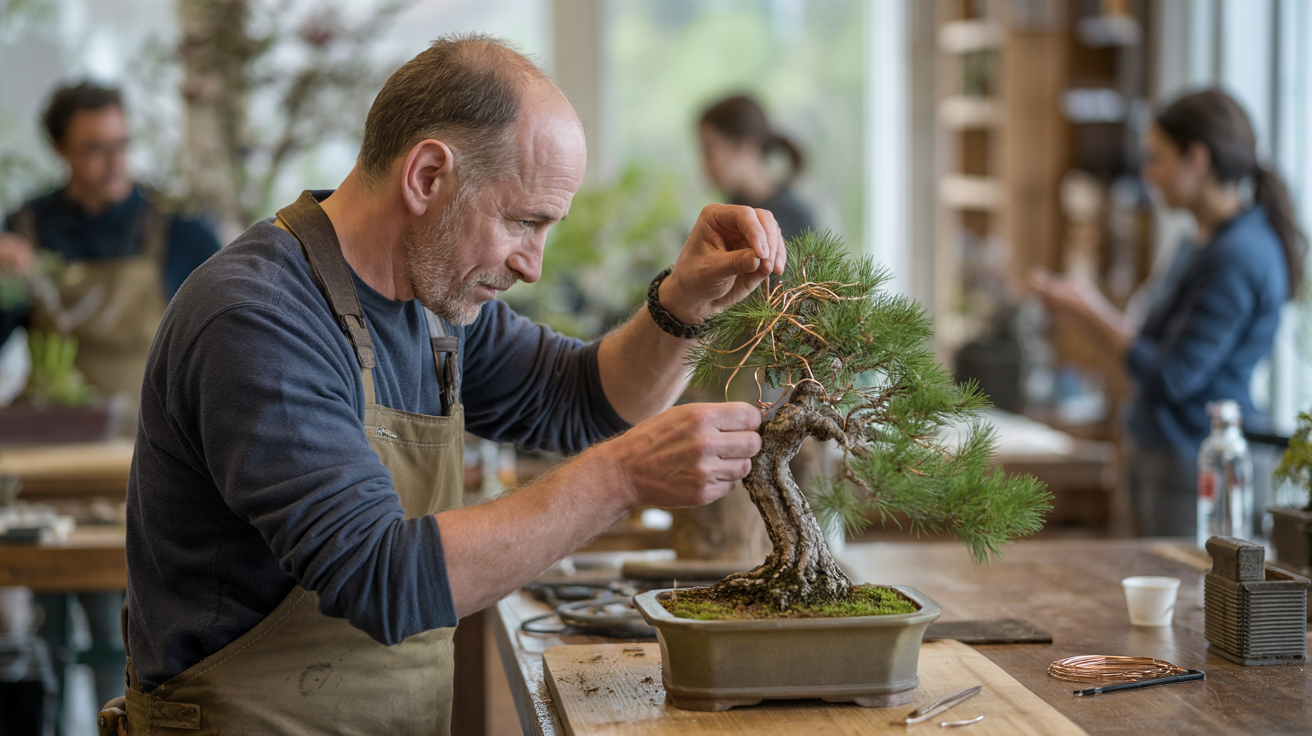
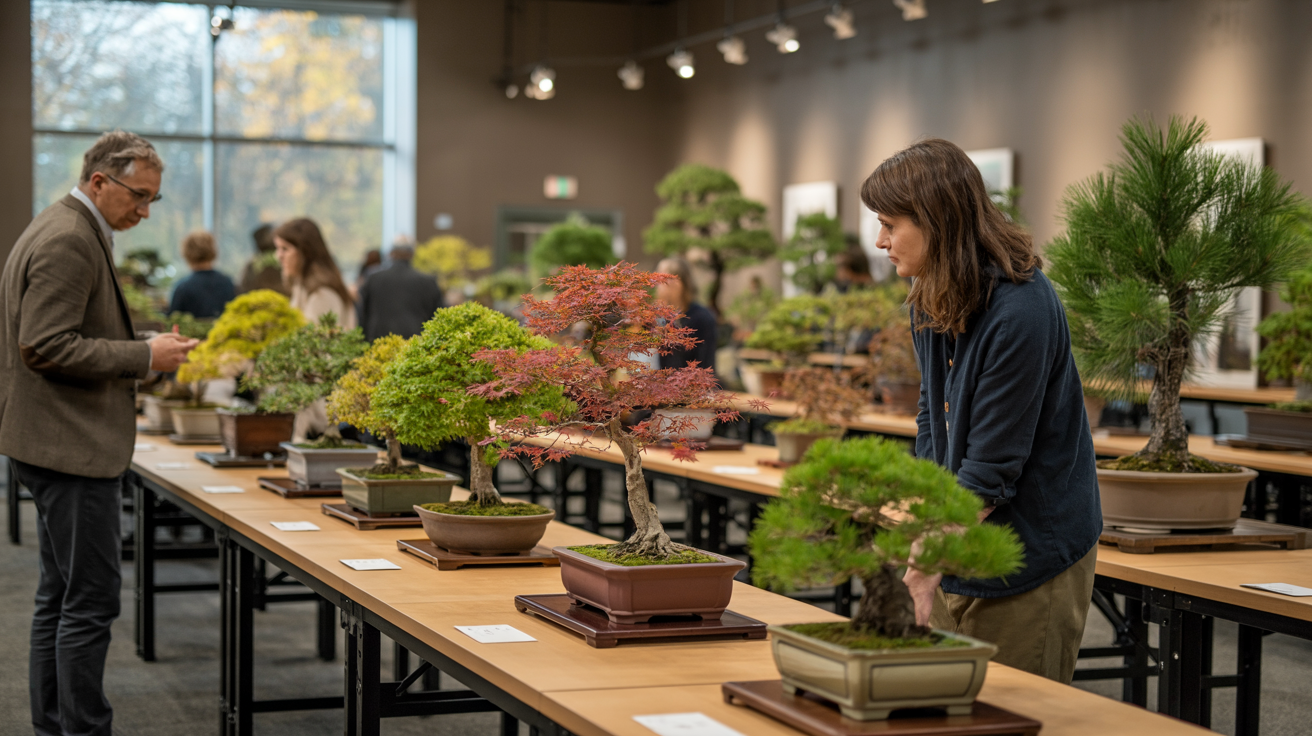
What most cultivation guides fail to emphasize is that elite bonsai artists typically maintain surprisingly modest personal collections. The trees that win major exhibitions are often the result of five, ten, even twenty years of focused attention. That level of commitment becomes impossible when your trees compete for your limited time rather than complementing each other in a deliberate training program.
The Intensive Curation Method
Here’s our recommended approach for growers feeling overwhelmed by collection creep:
- Audit your current collection honestly. Identify which trees genuinely excite you and which have become obligations.
- Establish a core collection of no more than twenty trees that represent diverse species and styles you want to master.
- Designate three to five “project trees” where you’ll push your technical skills each season.
- Create a training calendar specific to each project tree, noting optimal timing for structural wiring (typically late autumn for most deciduous species), root pruning, and branch selection.
- For the remaining trees, be ruthless: gift them to fellow growers, donate to club auctions, or sell them. Free yourself from maintenance that doesn’t serve your development.
The Focused Alternative to Accumulation
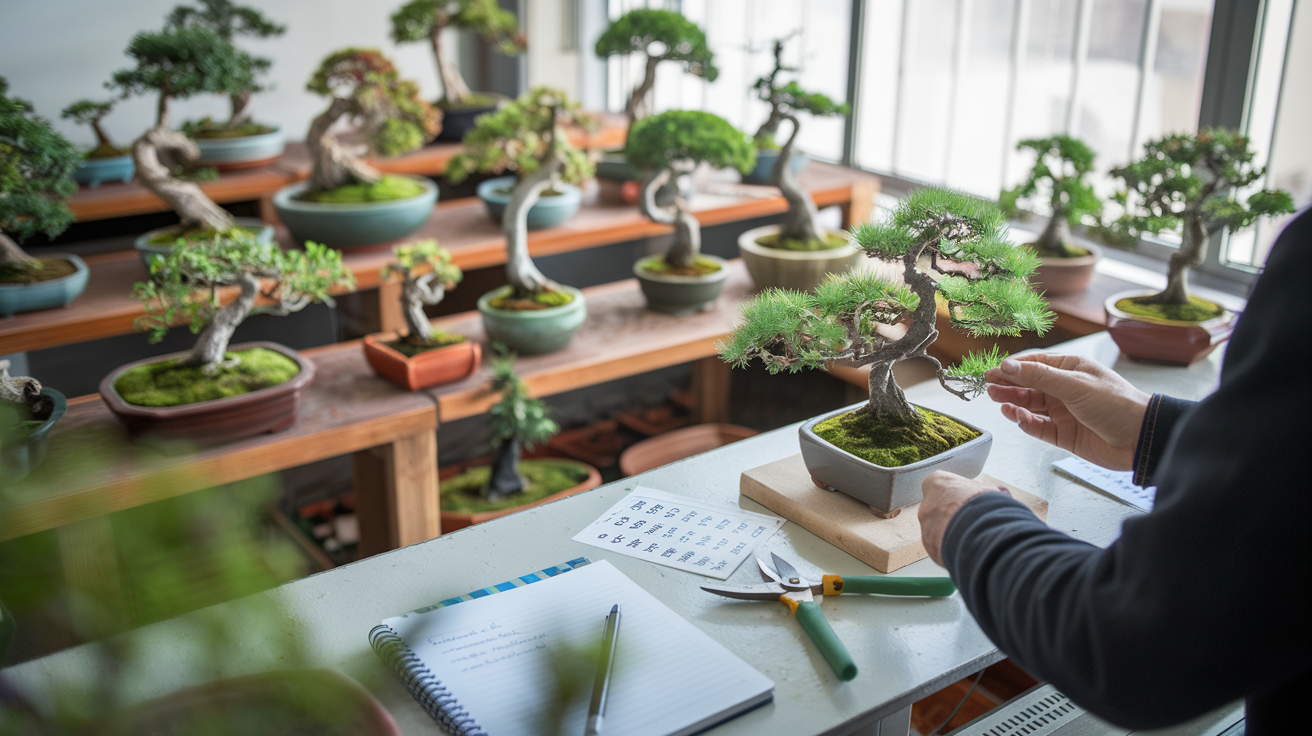
Consider this concrete technique we’ve seen transform intermediate growers: the seasonal documentation protocol. Choose five trees from your core collection. Every two weeks during the growing season, photograph each tree from the same angle, at the same time of day, with a dated card visible. Note observations about vigor, branch extension, foliage density, and any interventions performed.
This practice forces genuine observation. You’ll notice the Trident maple’s internodes are longer this spring than last, suggesting you need to cut back on nitrogen. You’ll see that your Scots pine’s candles emerge ten days earlier than you remembered, meaning you nearly missed the optimal candling window. These insights only emerge when you’re genuinely watching rather than merely reacting to whatever catches your eye during morning rounds.
For timing specificity: if you’re working with Japanese maples, that optimal wiring window hits between November and January in temperate zones, after leaf drop but before buds swell. Miss it, and you’re either risking branch damage on trees with active sap flow or waiting another year. When you’re managing twenty trees instead of a hundred, you actually catch these windows.
What You Can Do Today
Walk through your collection this afternoon with a notepad. Write each tree’s species and honestly answer: “Am I making this tree better, or just keeping it alive?” If you have more than five trees in the “just keeping alive” category, it’s time to curate down. Your best work will emerge from depth, not breadth.
This article was created with AI assistance by the Bonsai World editorial team.