
Why Building a 100-Tree Collection Is the Wrong Goal for Most Bonsai Growers
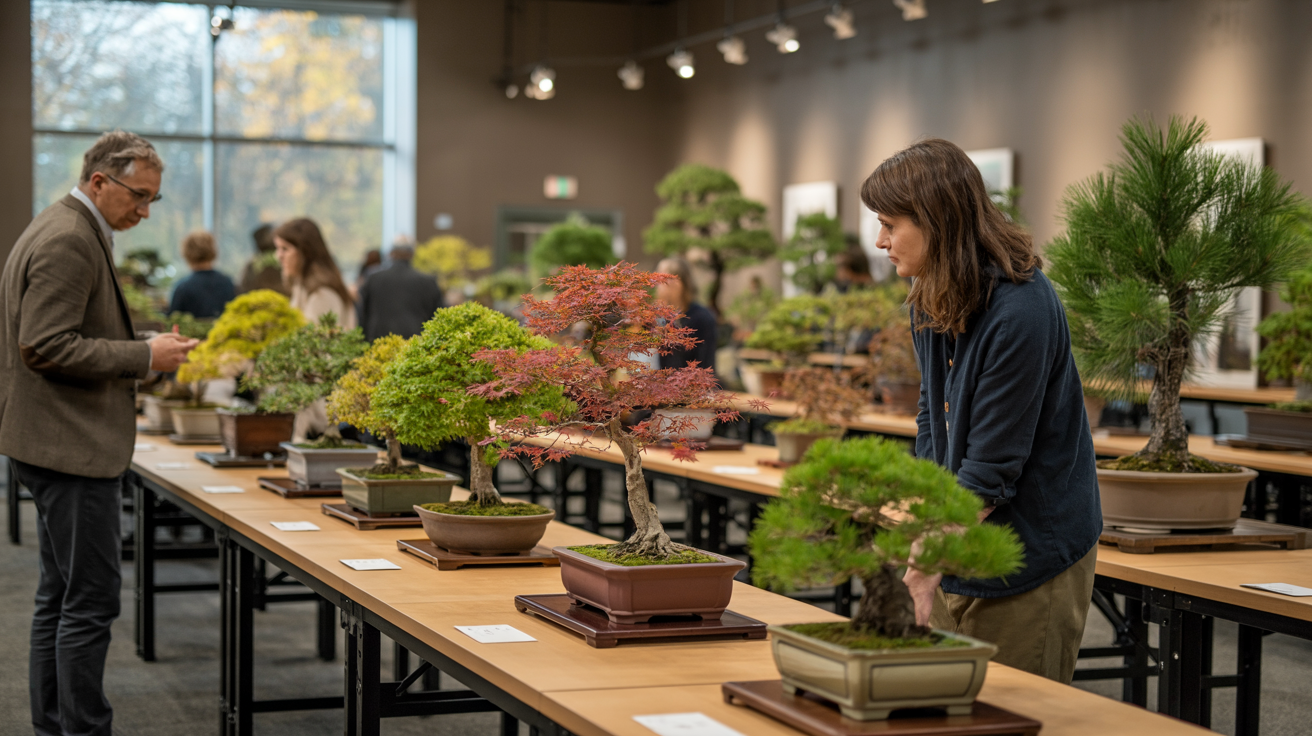
We’ve all seen the headlines celebrating enthusiasts who amass hundred-tree collections, and while we admire the passion, we believe the bonsai community needs to have an honest conversation about what really matters in this art form. Recent stories about impressive collections inspire newcomers to enter the hobby, but they can also send the wrong message about what constitutes progress in bonsai cultivation.
Our Take: Quality Over Quantity Always Wins
In our view, chasing numbers is antithetical to the core philosophy of bonsai. The traditional masters spent decades perfecting single specimens, not rotating through dozens of mediocre projects. We would argue that five exceptionally refined trees will teach you more and bring greater satisfaction than fifty neglected ones gasping for attention in the back corner of your yard.
Here’s what most beginner guides get wrong: they emphasize acquisition over refinement. They encourage you to try multiple species and styles, which sounds reasonable until you realize that each tree demands specific watering schedules, fertilization timing, and seasonal care. A Chinese elm needs consistent moisture and tolerates indoor conditions. Your Japanese maple requires protection from afternoon sun in summer and careful freeze-thaw management in winter. That juniper you impulse-bought at a workshop needs full sun and hates wet feet. Multiply these demands by one hundred trees, and you’re running a production nursery, not practicing an art form.
The Hidden Cost of Collection Sprawl
What the celebratory articles rarely mention is the maintenance burden. We’ve watched talented growers burn out because their collections outpaced their capacity for mindful care. When you’re rushing through daily watering rounds with a hose, you miss the subtle signals that separate mediocre cultivation from excellence: the slight wilt indicating root problems, the color shift suggesting nutrient deficiency, the branch position that would perfect your design if wired this week.
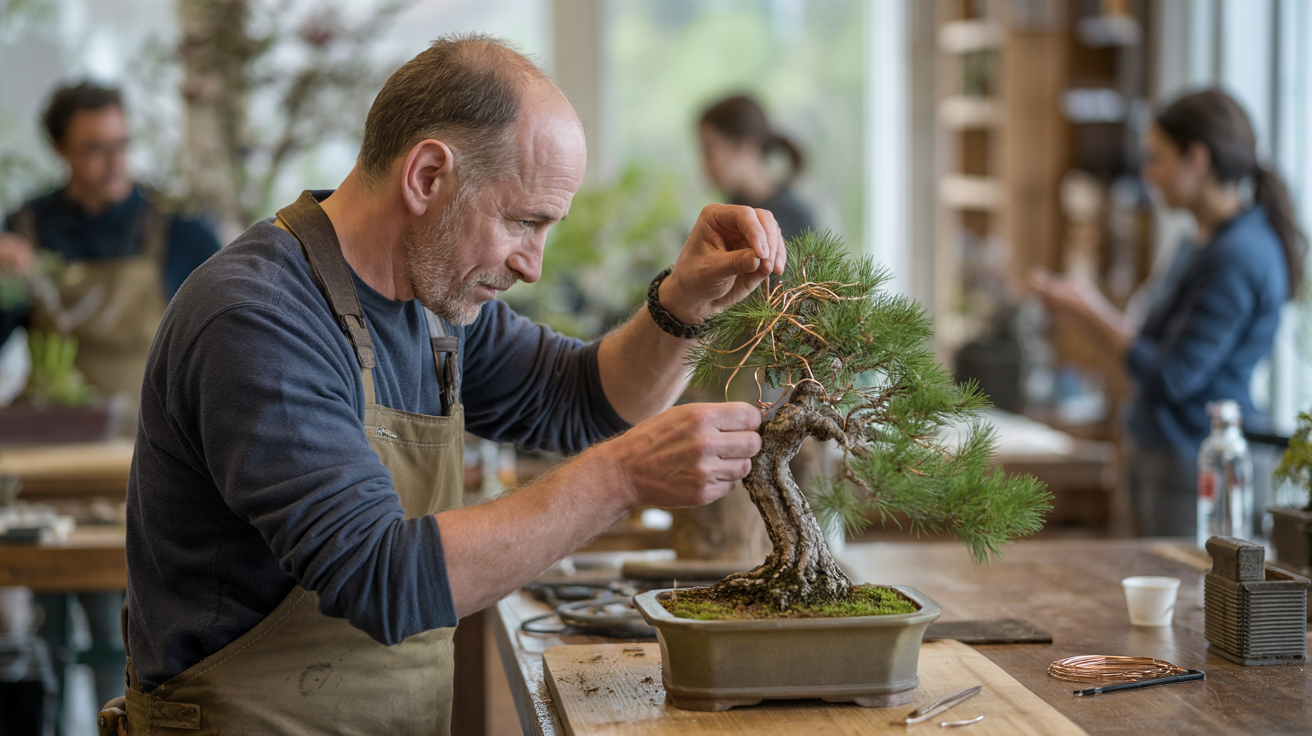
The reality is that proper bonsai cultivation requires intimate knowledge of each tree. You should know which branch was wired last spring, when you last repotted, and what that tree’s growth pattern tells you about root health. This kind of attention becomes impossible beyond a certain collection size.
A Better Approach: The Focused Collection Method
We recommend what we call the “three-tier system” for sustainable collection building:
- Tier One (2-3 trees): Your exhibition-quality specimens receiving daily attention and seasonal refinement
- Tier Two (5-7 trees): Development projects with multi-year timelines in training pots
- Tier Three (5-10 trees): Experimental material and species trials in growing beds or pond baskets
This structure caps most serious hobbyists at 15-20 trees maximum, a number that allows genuine mastery while maintaining work-life balance.
One Concrete Technique: The Monthly Audit
Here’s a practice that will immediately improve your results: On the first Saturday of each month, photograph every tree from the same angle. Review these images quarterly. If you cannot articulate specific progress on a particular tree over two consecutive quarters, either commit to a concrete development plan or remove it from your collection. This ruthless honesty prevents the accumulation of “zombie trees” that consume resources without advancing your skills.
For those working with common species like Ficus or juniper, this audit should reveal clear ramification improvements in branch structure every six months. If it doesn’t, you’re maintaining, not developing, and that tree is occupying space better used for a project with genuine potential.
The Takeaway
Before acquiring your next tree, ask yourself: can I name three specific techniques I’ll practice on this specimen over the next year? If not, walk away. Your existing trees deserve that attention first.
Source: The Tribune
This article was created with AI assistance by the Bonsai World editorial team.