
Why Patience Is the Wrong Lesson: What Bonsai Actually Teaches Us About Control
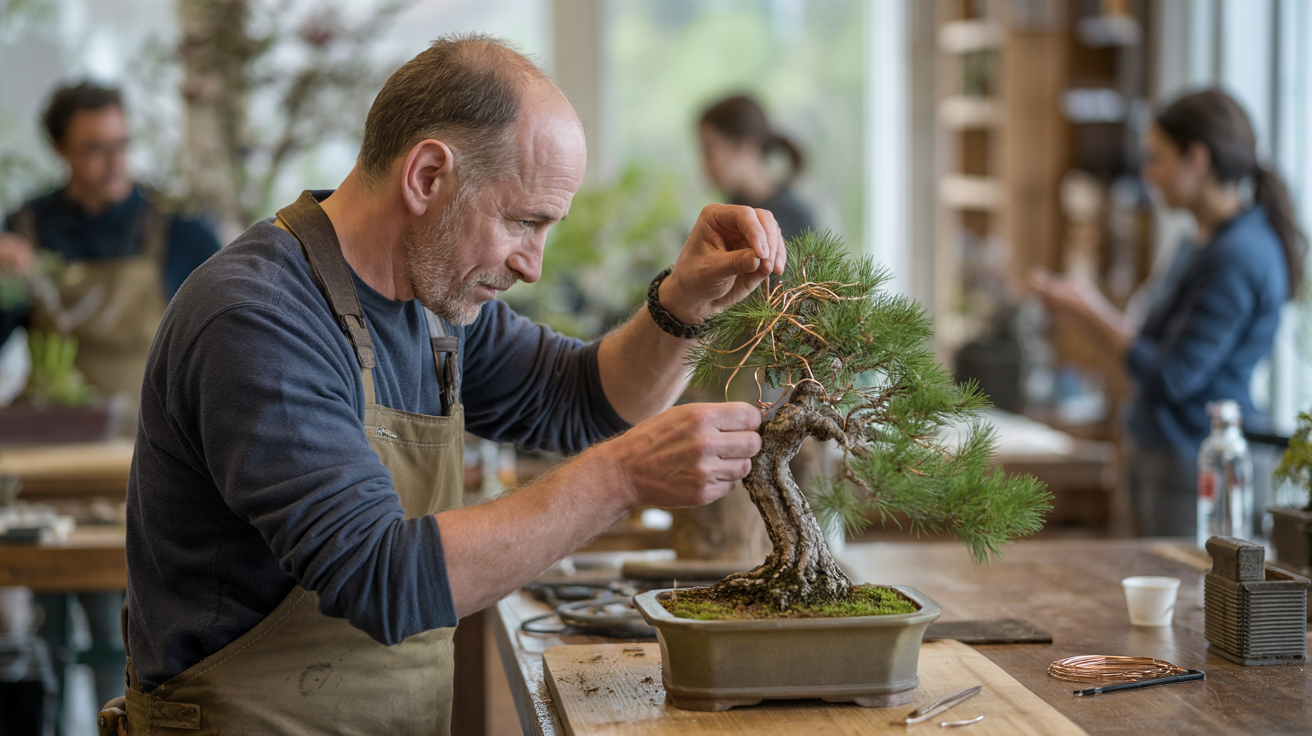
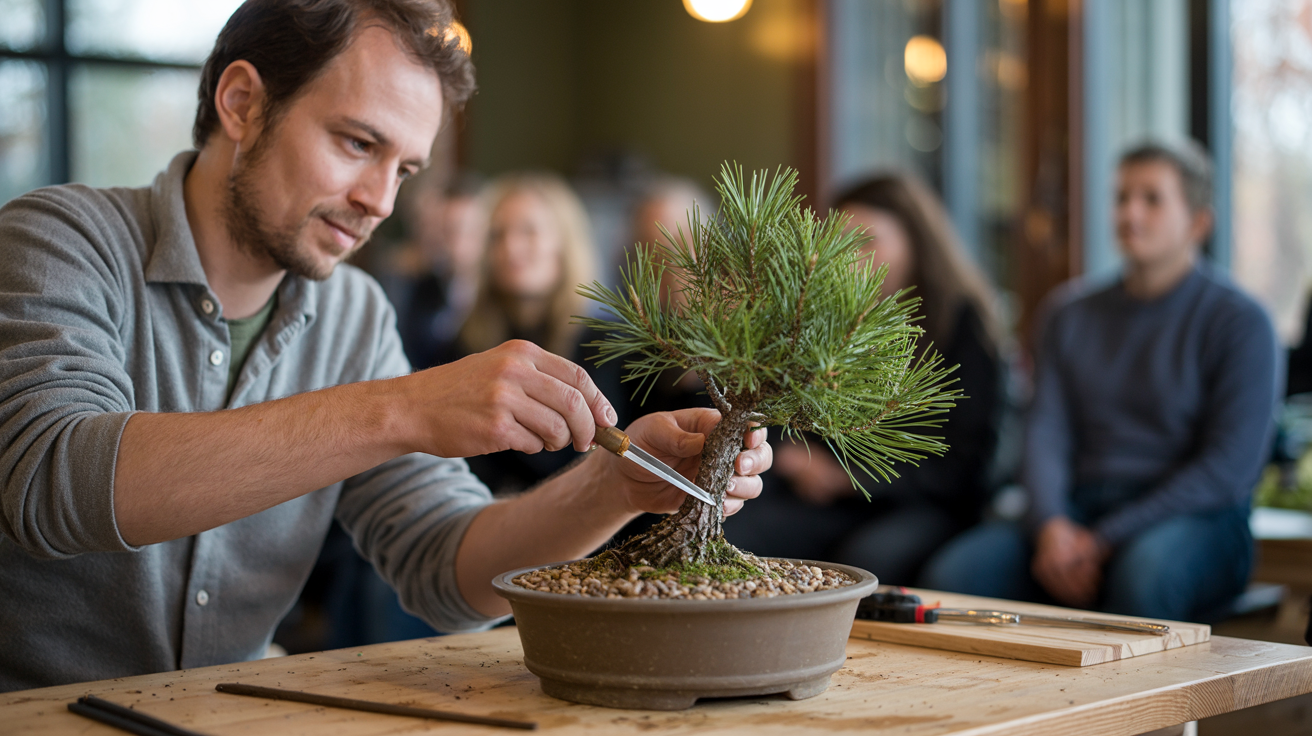
We’ve heard it a thousand times: bonsai teaches patience. A recent story from The Naples Press highlighted how Riajuu Bonsai LLC frames their teaching around patience, and while we respect their work, we believe this conventional wisdom misses the mark entirely. In our view, bonsai doesn’t demand patience so much as it demands precise timing, decisive action, and the humility to accept that you cannot control everything. That’s a fundamentally different lesson, and one that most introductory guides gloss over in favor of the more marketable virtue of waiting.
The patience narrative sounds poetic, but it can actually harm beginners. New practitioners hear “be patient” and interpret it as “do nothing and wait.” They hesitate to wire a branch that needs correction now, delay a root pruning that should happen this spring, or watch a juniper’s foliage pad grow leggy because they’re waiting for some undefined sign. What they don’t realize is that bonsai cultivation is about recognizing narrow windows of opportunity and acting boldly within them. Miss the moment to prune a Japanese maple in late winter before the sap rises, and you’ll face bleeding wounds and weakened growth. That’s not a lesson in patience; that’s a lesson in attention and timing.
Our Take: Intervention Over Inaction
We would argue that the real skill in bonsai lies in knowing when to intervene aggressively and when to step back. Consider the difference between developing trunk taper on a young Trident maple versus maintaining an established composition. In the first scenario, you need radical pruning, heavy fertilization through the growing season, and possibly ground growing for three to five years. You’re pushing the tree hard, forcing vigorous growth that you’ll cut back ruthlessly each autumn. This is not patience—this is controlled violence followed by strategic retreat.
Most guides tell you to water when the soil is slightly dry and fertilize during the growing season. What they get wrong is the species-specific timing that makes all the difference. A Chinese elm can tolerate consistent moisture and responds well to balanced 10-10-10 fertilizer every two weeks from April through September. But a Scots pine? Over-fertilizing produces long, weak needles that ruin the scale of your design. For pines, you want a single application of slow-release organic fertilizer in early spring and another in late summer, with nothing in between. The patience isn’t in waiting months between feedings—it’s in resisting the urge to do more when more would damage your vision.
A Concrete Technique: The Two-Year Wiring Strategy
Here’s a step-by-step approach we recommend for setting primary branch structure on deciduous species, something rarely detailed in beginner resources:
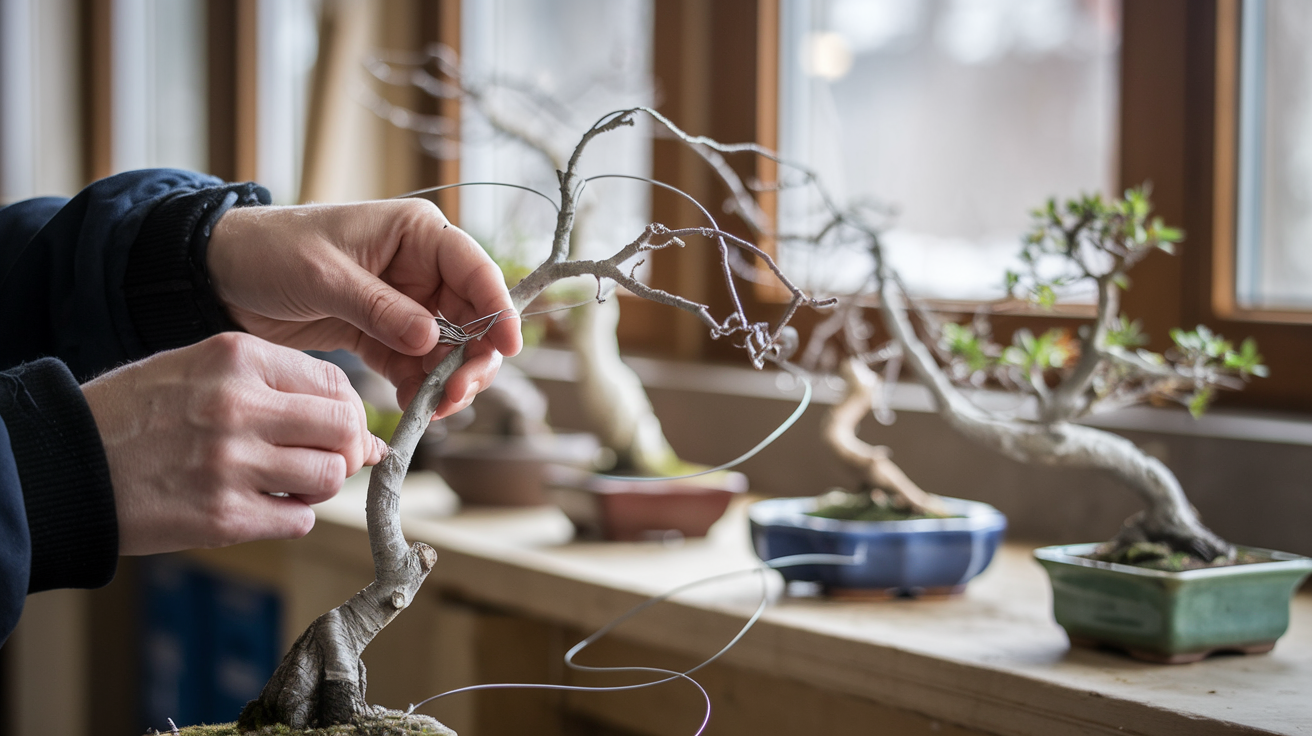
- Year one, late winter: Wire all primary branches into approximate position using aluminum wire one-third the thickness of the branch. Don’t aim for perfection yet.
- Spring through summer: Allow the tree to grow freely, fertilizing normally. The branches will thicken and begin to set.
- Late autumn: Remove all wire before it bites into bark. Evaluate which branches held position and which sprung back.
- Year two, late winter: Re-wire only the branches that didn’t hold, this time positioning them with more refinement. Use slightly thicker wire if necessary.
- Remove wire again in autumn. By now, most branches should hold their shape permanently.
This method works because you’re not fighting the tree’s natural spring vigor with wire that will scar tissue. You’re working with the growth cycle, intervening at precise moments. The waiting between steps isn’t passive—you’re observing, feeding, and preparing for the next decisive action.
Actionable Takeaway
Today, look at your bonsai and identify one intervention you’ve been postponing. Is there a branch that needs wiring now, before spring growth starts? A nebari that needs exposure this repotting season? Stop waiting for patience to magically improve your tree. Schedule the action, mark it on your calendar, and execute it during the correct window. That’s what bonsai actually teaches: not endless patience, but the courage to act when the moment demands it.
Source: The Naples Press, via Google News RSS
This article was created with AI assistance by the Bonsai World editorial team.