
Why Regional Bonsai Exhibitions Are the Real Classroom—and What You’re Missing If You Only Learn Online
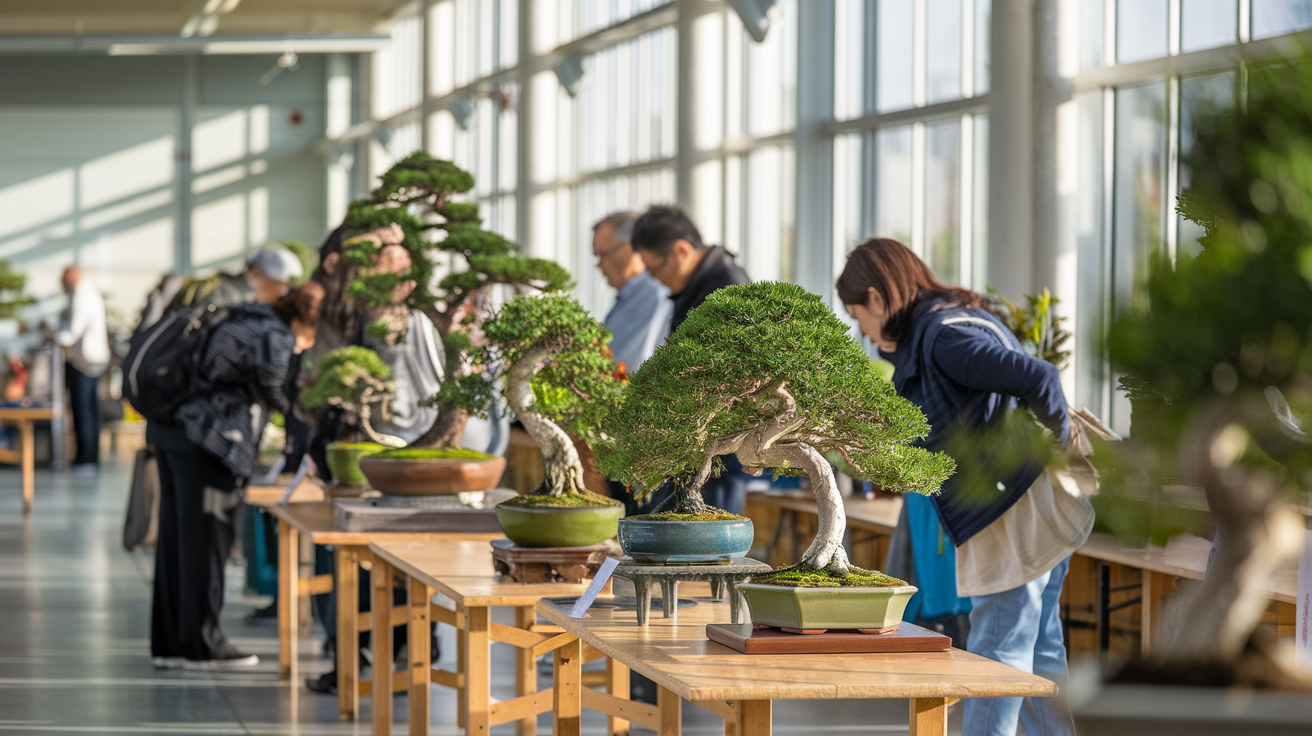
We’ve noticed a troubling trend in our community: enthusiasts who’ve never attended a live bonsai exhibition yet consider themselves adequately educated through YouTube tutorials and Instagram posts. The 34th annual exhibition in Valls reminds us why in-person events remain irreplaceable educational opportunities—and why we’d argue that attending just one regional show teaches you more about actual bonsai cultivation than six months of scrolling through curated social media feeds.
The Tactile Knowledge Gap
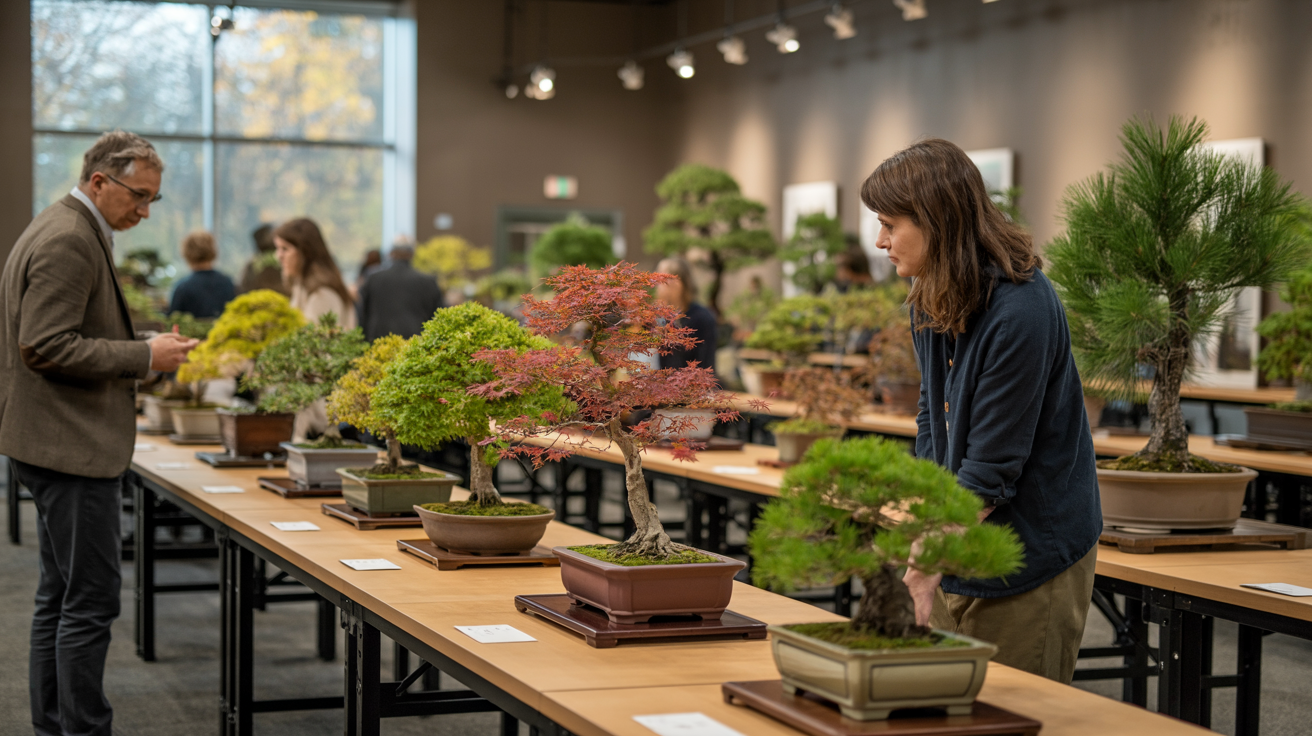
What most online guides get fundamentally wrong is the assumption that bonsai knowledge transfers effectively through screens. We see beginners confidently discussing nebari development or Jin carving techniques while having never felt the resistance of properly lignified wood under their fingers or experienced how dramatically substrate moisture varies between the surface and two inches down in an akadama-pumice mix. Regional exhibitions offer what we call “calibration opportunities”—the chance to touch hundreds of trees, compare bark textures across species, and understand what “semi-cascade” actually means when you’re looking at thirty different interpretations in ceramic pots on tables before you.
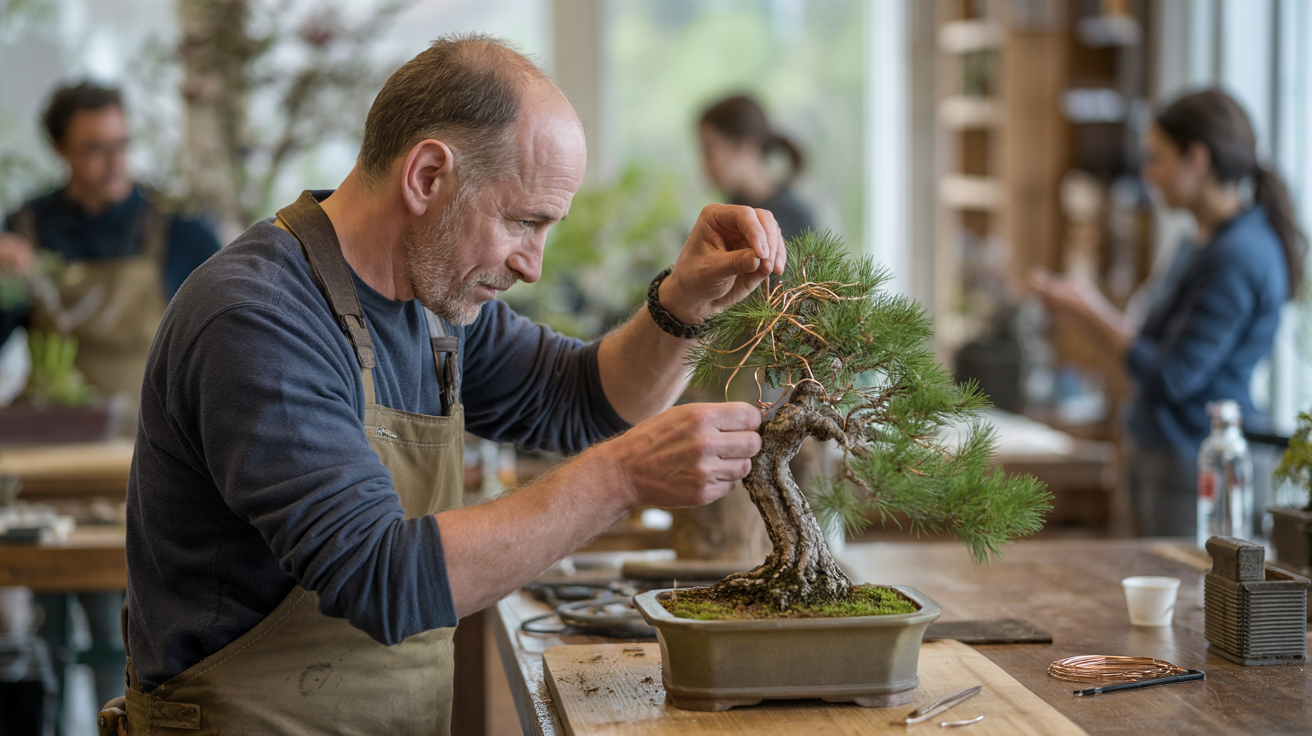
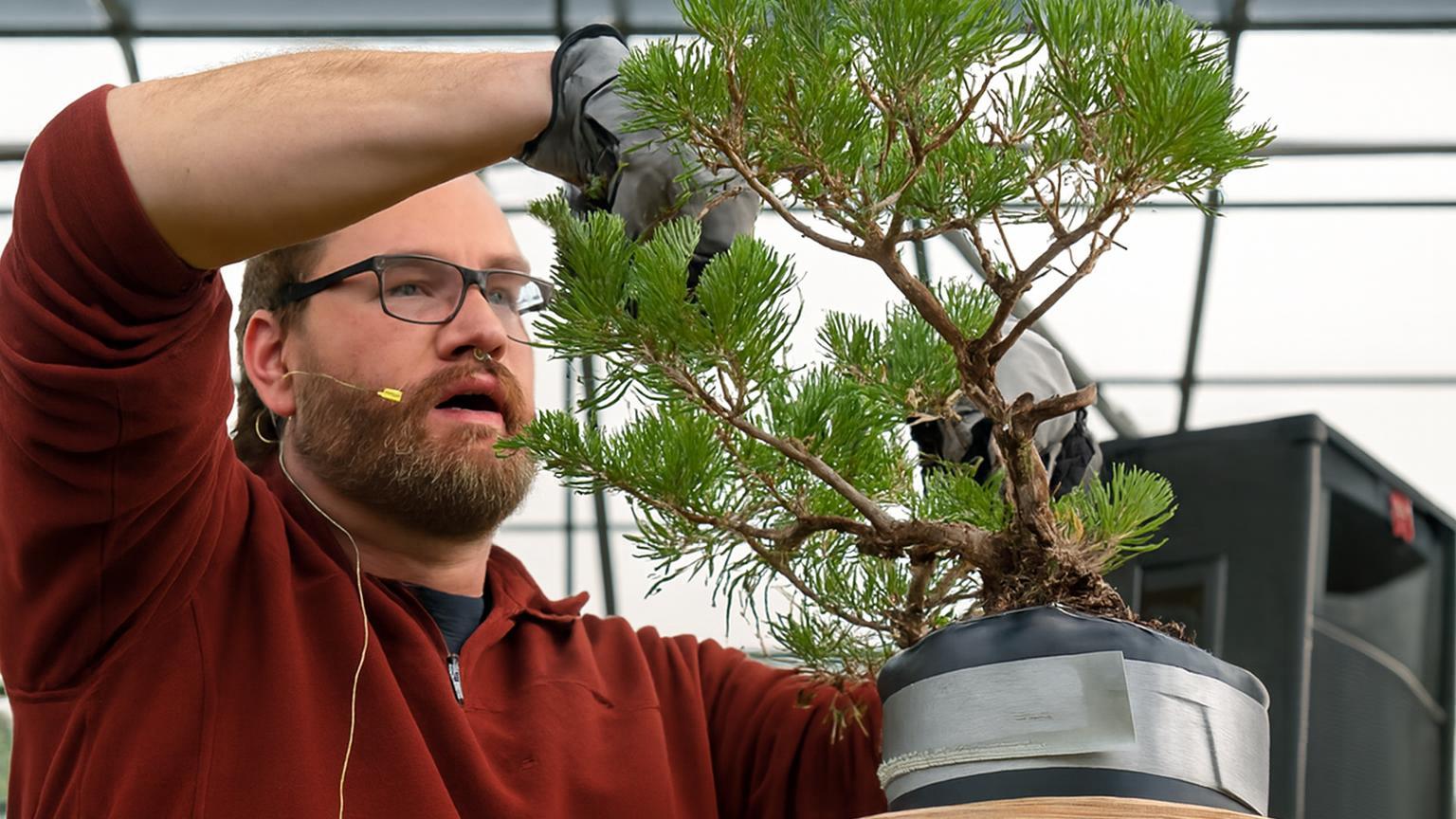
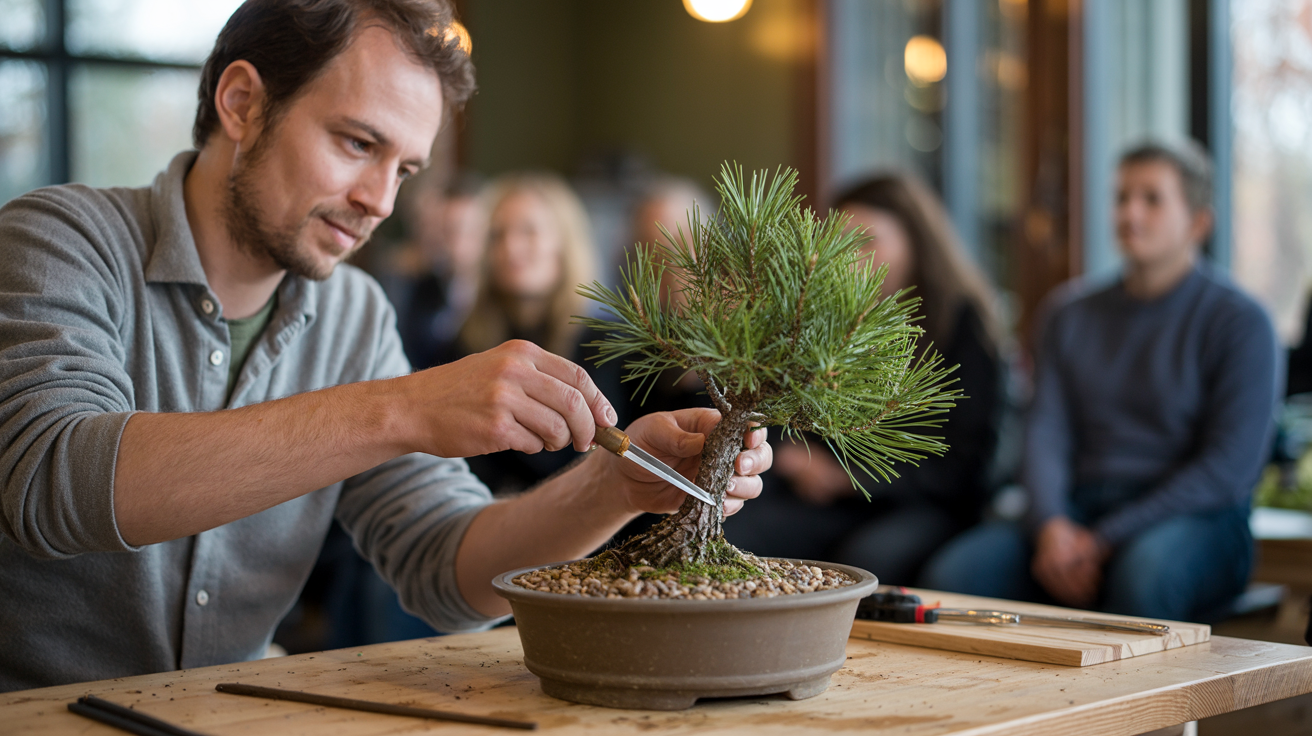
The workshop component of events like Valls matters particularly for technique refinement. We’ve watched countless students attempt their first wiring after watching tutorials, only to discover they’ve been applying far too little tension. Copper wire on a Juniperus chinensis branch needs firm, consistent pressure at a 45-degree angle—but “firm” is impossible to communicate through video. You need someone to physically adjust your grip, show you the slight give in living cambium, and demonstrate why 3mm wire works for that particular branch thickness while 2.5mm creates gaps and 4mm causes bark damage.
The Market as Living Library
In our view, the vendor marketplace at regional exhibitions functions as something far more valuable than a shopping opportunity. It’s a living reference collection. Where else can you compare pre-bonsai material quality across five different nurseries simultaneously? We recommend this exercise for intermediate growers: spend thirty minutes examining only Pinus species stock across multiple vendors, comparing trunk taper, nebari development, and price points. You’ll learn more about material selection than any book can teach.
Pay particular attention to the substrate mixes vendors use for their stock. We’ve noticed European suppliers increasingly favor higher pumice ratios than traditional recommendations suggest—often 40% pumice, 40% akadama, and only 20% organic matter for Mediterranean climate species like olive and fig. This reflects practical regional adaptation that written cultivation guides haven’t yet caught up with.
A Concrete Technique: The Exhibition Audit
Here’s what we advocate every attendee should do at their next regional show:
- Select five trees in the exhibition that appeal to you aesthetically
- Photograph each from eye level, not from above
- Sketch the primary branch structure, ignoring foliage pads
- Note the front-to-back depth created by branch positioning
- Compare your five sketches to identify common structural elements
This exercise reveals something crucial: successful bonsai aesthetics rely on surprisingly similar underlying architectures regardless of species or style. The branch scaffolding of a well-designed informal upright follows predictable patterns—alternating branches, progressive reduction in branch thickness, calculated negative space. Once you see this pattern repeatedly in person, you’ll recognize design flaws in your own trees immediately.
Our Take
Regional exhibitions aren’t supplementary education—they’re primary education, and online resources are the supplement. The Valls exhibition, now in its 34th year, demonstrates the staying power of in-person bonsai community building in an increasingly digital world. We believe this persistence exists precisely because the knowledge transfer that happens when you’re standing in front of a hundred-year-old Pinus sylvestris, discussing its styling with the grower who’s maintained it for three decades, simply cannot be replicated remotely.
Actionable Takeaway
Identify the nearest regional bonsai exhibition within 200 kilometers of your location and commit to attending this season. Bring a notebook, not just a camera. Your assignment: have substantive conversations with at least three exhibitors about their specific substrate choices and watering frequency for similar species in your climate zone. This single data point—real practitioners’ actual practices rather than theoretical recommendations—will improve your cultivation success rate more than any tutorial possibly could.
Source: Modernet Digital coverage of 34th Bonsai Exhibition in Valls
This article was created with AI assistance by the Bonsai World editorial team.