
Why Regional Bonsai Shows Still Matter More Than Instagram Ever Will
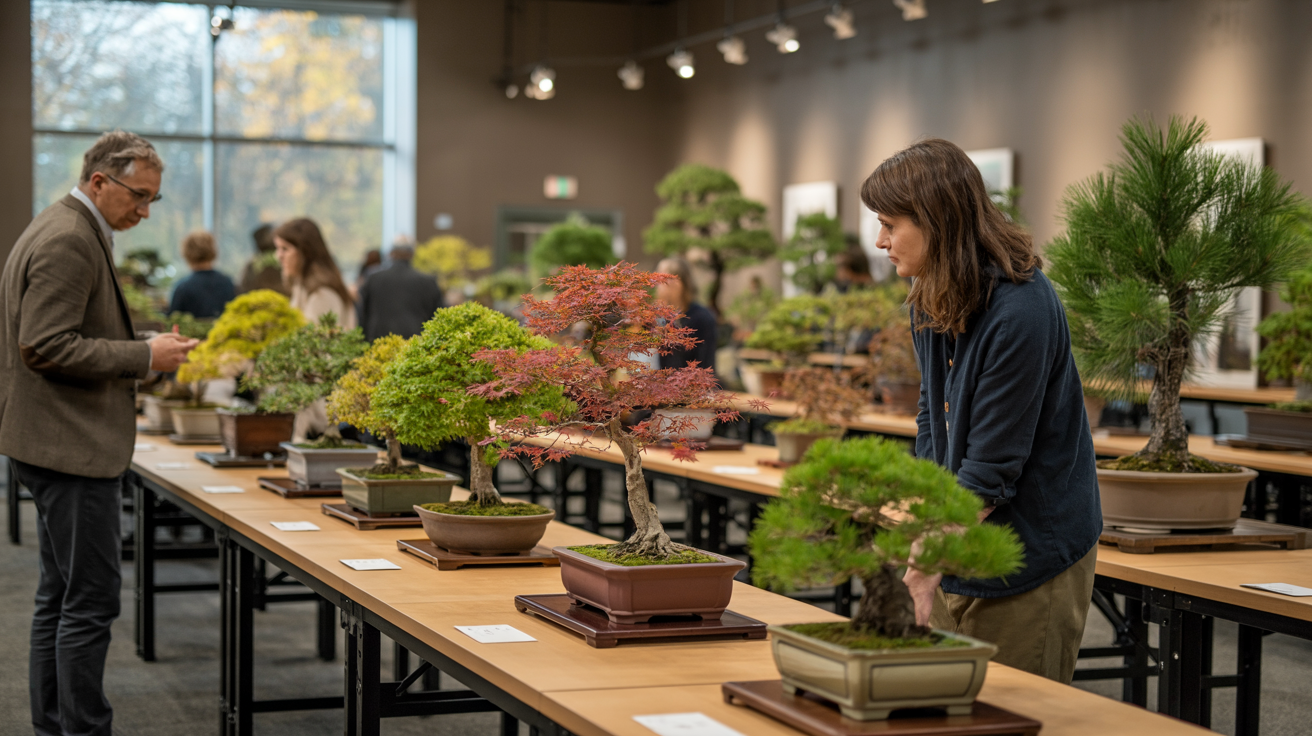
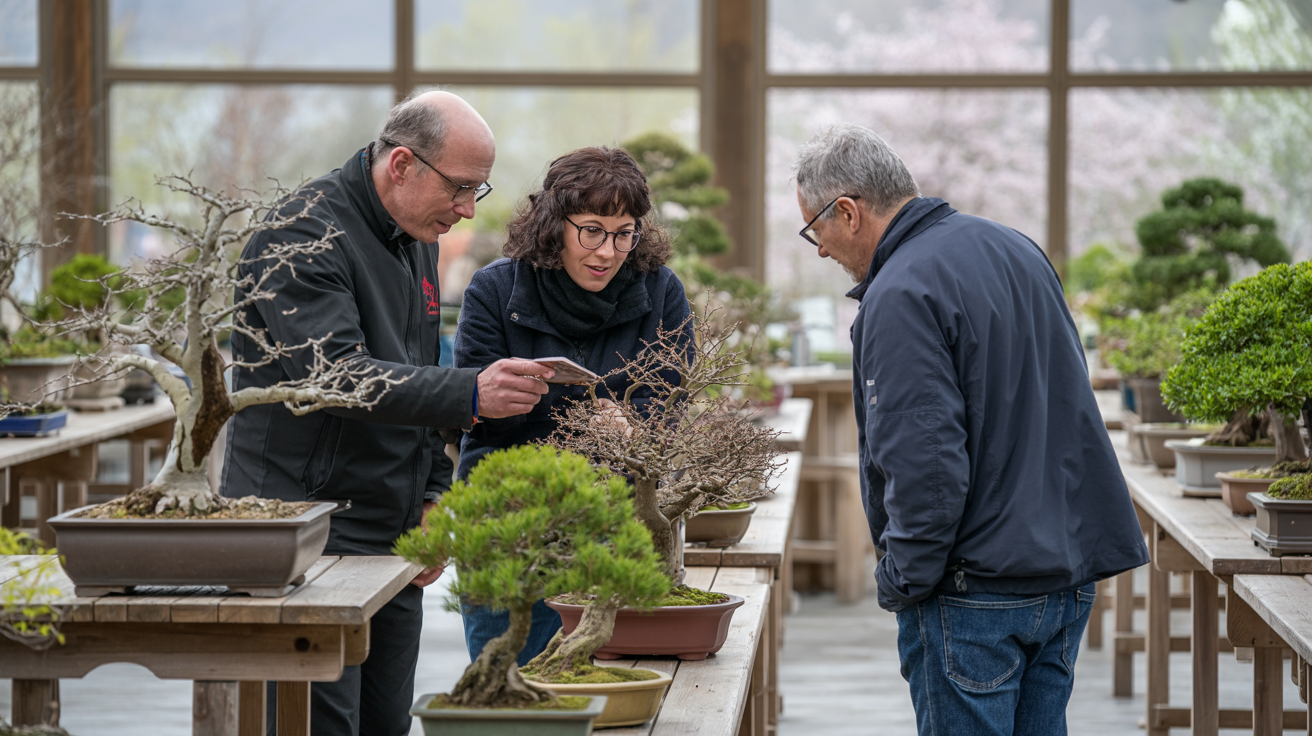
We’ve noticed a troubling trend in our community: enthusiasts who spend more time curating their online bonsai galleries than attending actual exhibitions. The Pittsburgh Bonsai Society’s 45th Annual Bonsai Show reminds us of something fundamental that digital platforms simply cannot replicate: the irreplaceable education that happens when you stand eighteen inches from a two-hundred-year-old collected yamadori and study how a master solved a specific structural problem.
The Overlooked Value of Three-Dimensional Observation
Most online bonsai guides emphasize front-view composition, teaching enthusiasts to create a single compelling photograph. That’s backwards. What we would argue is that regional shows teach the critical skill of 360-degree design assessment, something that separates competent hobbyists from advanced practitioners. When you walk around a well-composed Eastern white pine at a regional exhibition, you discover how the artist managed back branching fifteen inches deep into the canopy, how they positioned that critical sacrifice branch on the rear left to thicken the lower trunk, and how the nebari flows differently depending on viewing angle.
This matters because your trees exist in three dimensions, yet most enthusiasts only develop them in two. We see this repeatedly in workshop submissions: front-heavy designs with hollow backs, adequate taper from one angle that disappears from another, and branching structures that photograph beautifully but reveal awkward gaps when viewed from the side.
What Annual Shows Get Right About Timing
The spring exhibition calendar, typically running from late April through May in temperate regions, coincides precisely with the moment when deciduous species reveal their structural decisions. A Japanese maple displayed in full leaf canopy shows you whether last autumn’s defoliation strategy actually worked. An American elm in spring flush demonstrates real ramification density versus the illusion created by summer’s heavy foliage.
In our view, this timing makes spring shows infinitely more educational than autumn exhibitions for structural analysis. You can see through the design, literally. The show environment forces exhibitors to present trees at a vulnerable stage when wire scars, pruning cuts, and structural compromises cannot hide behind dense summer growth.
A Practical Technique Most Guides Ignore
Here’s what you should do at your next regional show: bring a small notebook and sketch pad. Select three trees that interest you, then draw the primary branch structure from four angles—front, back, and both sides. Don’t worry about artistic quality. Focus on mapping where major branches emerge from the trunk.
When you return home, compare these sketches to photographs of your own material. You’ll immediately identify structural weaknesses you’ve been overlooking. That promising trident maple you’ve been developing for five years? The sketch will reveal it has seven branches between eight and ten inches on the right side, and only two in the same zone on the left. The photograph never showed you this clearly because foliage mass disguises structural imbalance.
The Mentorship Economy of Regional Shows
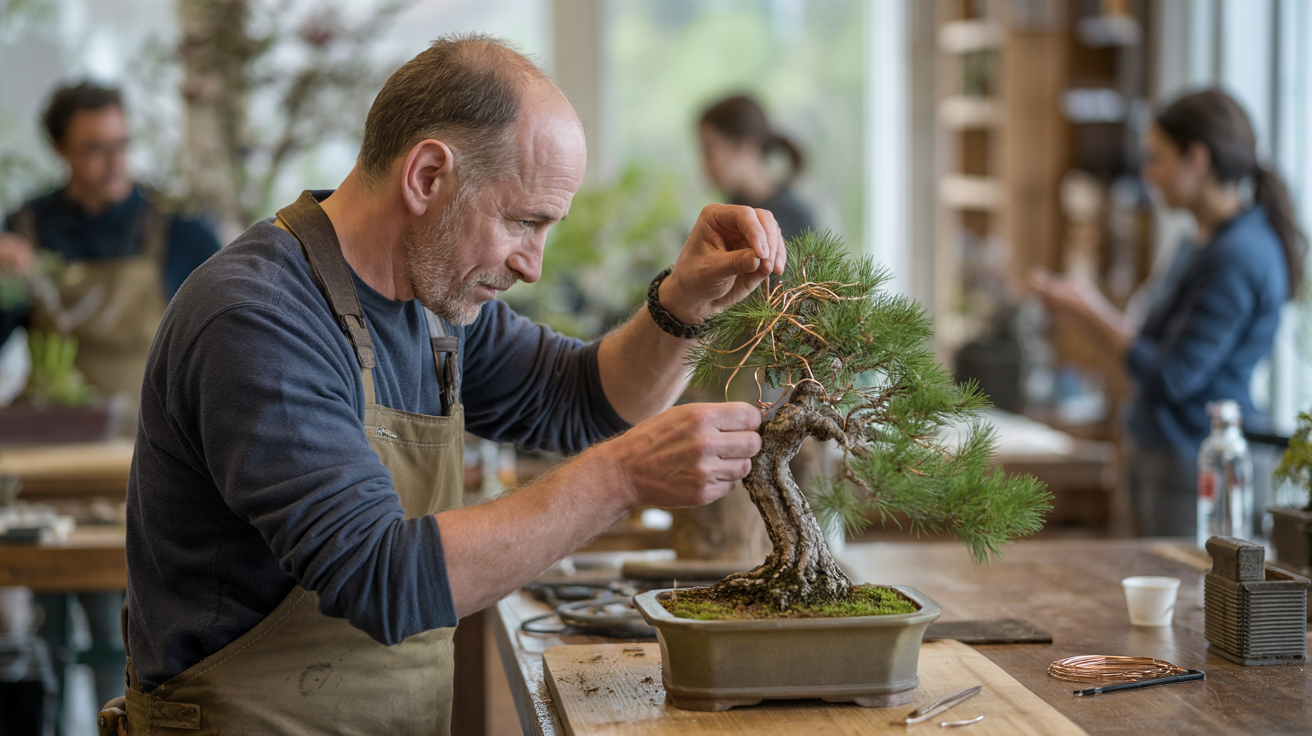
Forty-five years of continuous exhibitions means something crucial: institutional knowledge transfer. Regional societies maintain this knowledge through repeated annual gatherings where advanced practitioners mentor intermediate growers in person, showing rather than telling. You cannot learn proper tension in copper wire from a video. You need someone to place your fingers on the wire, adjust your grip angle, and let you feel the difference between ninety degrees and eighty-five degrees of branch positioning.
Our Take
Social media has democratized access to bonsai imagery but inadvertently degraded the quality of structural education. Regional exhibitions remain the essential corrective, teaching three-dimensional design thinking that flat screens cannot convey.
Actionable Takeaway: Attend your nearest regional show this spring with a specific goal—study how three different artists solved branch placement in the critical lower third of the trunk, where most designs succeed or fail. Skip the vendors. Spend two hours looking, sketching, and asking questions. That investment will reshape how you evaluate your own material for the next decade.
This article was created with AI assistance by the Bonsai World editorial team.