
Why Your First Hundred Bonsai Teach More Than a Decade of Study
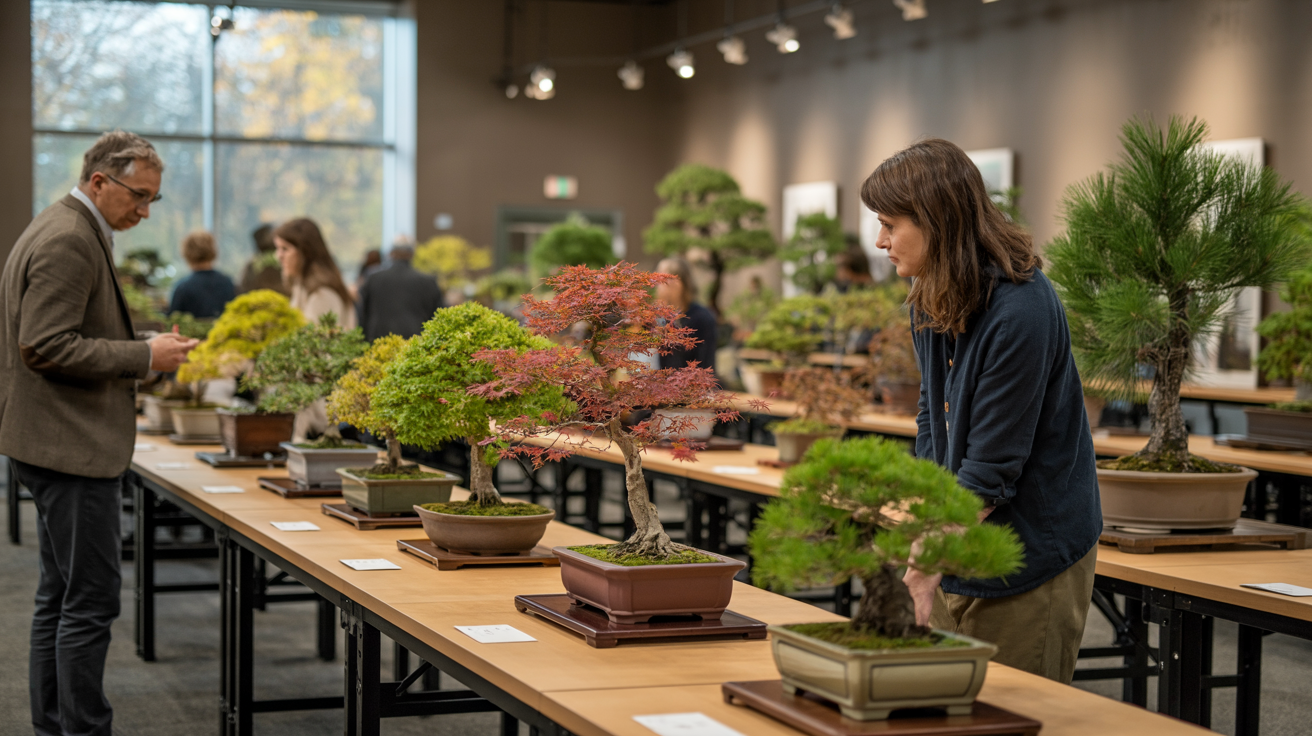
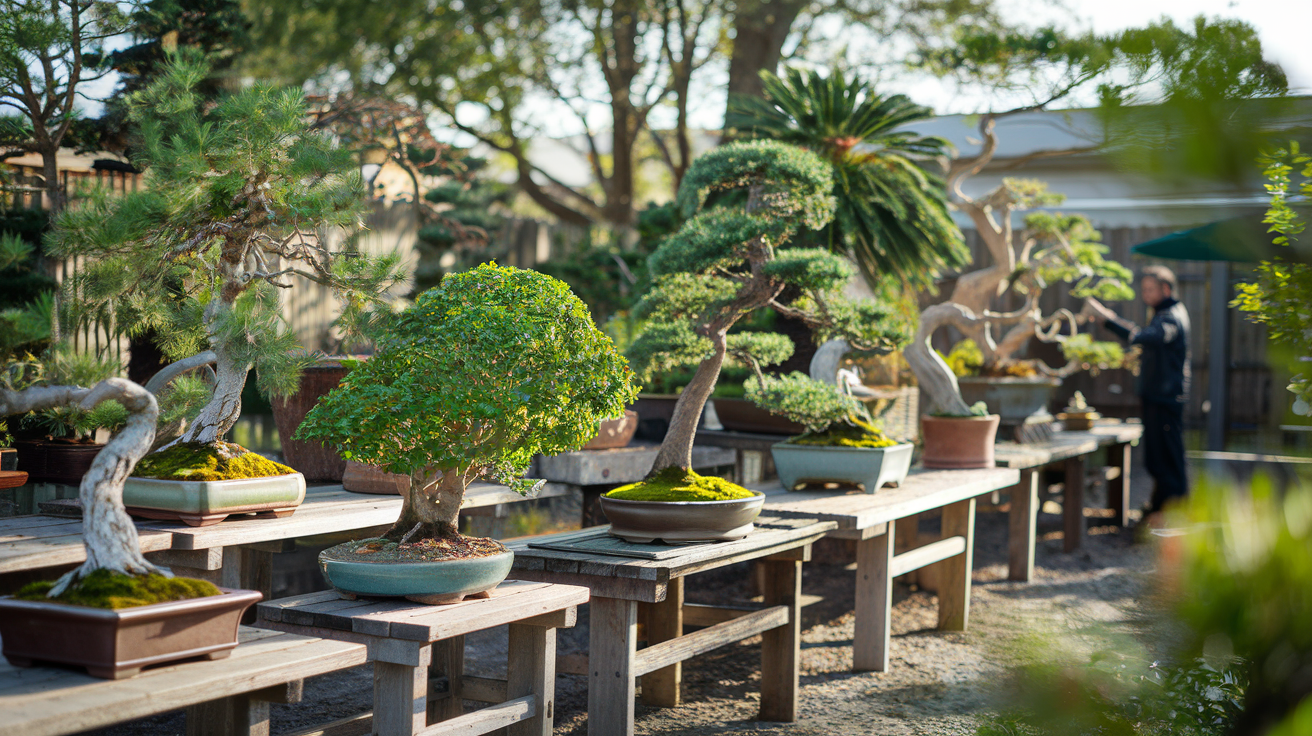
We’ve noticed a recurring pattern in the bonsai community: hobbyists often believe mastery comes from obsessive focus on a single specimen. But recent stories of collectors building extensive collections illuminate a fundamental truth about bonsai cultivation that contradicts conventional wisdom. In our view, cultivating a diverse collection of one hundred or more trees accelerates learning in ways that working with five or ten prized specimens never can.
Our Take: Volume Creates Virtues
Most introductory guides champion the philosophy of restraint: start with one or two trees, master them completely, then expand cautiously. We would argue this advice, while well-intentioned, fundamentally misunderstands how horticultural intuition develops. The progression from novice to competent practitioner isn’t linear—it requires confronting dozens of growth patterns, seasonal responses, and species-specific quirks simultaneously.
When you maintain a single Chinese Elm, you learn about that tree’s drought tolerance in your microclimate during one particular summer. When you maintain twenty different species, you develop comparative intelligence: you notice how Ficus retusa bounces back from defoliation while Acer palmatum sulks for months, how Juniperus procumbens signals water stress through subtle color shifts that Pinus thunbergii never displays, how Carmona microphylla drops leaves in response to temperature fluctuations that wouldn’t faze a temperate species.
This isn’t about hoarding. It’s about creating a living laboratory where variables multiply and patterns emerge organically.
What the Minimalist Approach Gets Wrong
The standard advice assumes beginners will kill their first trees through negligence, so limiting the collection minimizes casualties and costs. But this protective stance actually delays the development of diagnostic skills. We’ve observed that growers with larger collections develop what we might call “peripheral awareness”—they can walk through their benches and identify problems by subtle cues: a slight lean indicating root issues, foliage color suggesting nitrogen deficiency, bark texture revealing fungal pressure.
You cannot develop this sensitivity with three pampered specimens that receive daily individual attention. The skills emerge when you must efficiently assess thirty trees each morning before work, learning to distinguish genuine emergencies from minor fluctuations.
Building Your Collection Strategically
If you’re convinced that volume has value, here’s our recommended approach for expanding thoughtfully:
- Acquire five species from different families: one conifer, one deciduous broadleaf, one tropical, one flowering species, and one fruiting variety
- For each species, obtain multiple specimens at different development stages—raw nursery stock, pre-bonsai, and refinement-stage trees
- Designate “experimental” trees where you practice aggressive techniques: structural pruning, air-layering, or radical root work you’re hesitant to attempt on prized specimens
- Document watering frequency for each species across seasons; after two years, you’ll possess an invaluable reference specific to your conditions
- Trade with local clubs rather than purchasing everything; this builds community connections while diversifying your collection affordably
The Spring Expansion Window
For readers ready to scale up, early spring offers the optimal acquisition window. Trees purchased or collected from March through May have the entire growing season to establish in your care before facing winter dormancy. Focus particularly on obtaining conifers in April when sap flow is strong but before candle elongation begins—this timing allows root disturbance without compromising the year’s growth.
Actionable Takeaway
This week, identify three species you’ve never worked with before that are available locally. Purchase the smallest, least expensive specimens you can find—four-inch nursery stock is perfect. Your goal isn’t creating masterpieces; it’s expanding your botanical vocabulary. By next spring, the comparative insights these humble additions provide will transform how you understand your entire collection.
The path to bonsai competence isn’t paved with caution. It’s built through generous, curious engagement with living diversity.
This article was created with AI assistance by the Bonsai World editorial team.