
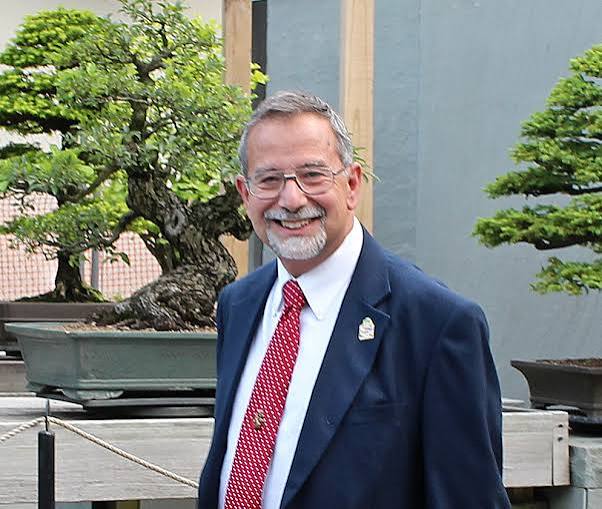
When we think about the figures who have shaped bonsai culture in the West, few names carry the weight and respect that William N. Valavanis commands. For decades, this master has stood at the intersection of rigorous Japanese tradition and American innovation, bridging two worlds with a dedication that borders on the obsessive—in the best possible sense. His influence extends far beyond his own trees; he has fundamentally altered how English-speaking enthusiasts understand, practice, and teach bonsai.
A Bridge Between Cultures
Valavanis is widely regarded as one of the foremost authorities on bonsai outside Japan, having spent extensive time training in the country and immersing himself in the classical methods that define the art form. What sets him apart is not merely his technical skill—though that is formidable—but his role as a translator of culture. He has dedicated much of his career to documenting, explaining, and disseminating Japanese bonsai knowledge to Western audiences, often clarifying misconceptions and elevating the discourse beyond the superficial.
His work as an educator and publisher has been particularly influential. Through his long-running journal and his teaching, he has created a repository of knowledge that serves both beginners and advanced practitioners. In our view, this commitment to education represents one of his most enduring contributions: he has never been content to hoard expertise but has consistently worked to raise the overall level of understanding in the bonsai community.
Technical Mastery and Species Knowledge
Where Valavanis truly shines is in his encyclopedic knowledge of species and their specific requirements. He is known for his meticulous approach to bonsai cultivation and care, emphasizing that successful bonsai work begins with horticultural competence. Too many practitioners, he has noted in his writings, rush to styling before mastering the fundamentals of keeping their trees healthy and vigorous.
His approach to styling reflects classical Japanese aesthetics—clean lines, careful attention to negative space, and an insistence on naturalism over gimmickry. He has consistently championed the idea that bonsai should evoke the essence of trees in nature, refined and distilled rather than distorted or cartoonish. This philosophy stands in contrast to some contemporary trends that prioritize shock value or technical pyrotechnics over coherent design.
The Valavanis Legacy: Patience and Precision
If there is one lesson that emerges from studying Valavanis’s work, it is the value of patience paired with precision. He is known for his systematic approach, his detailed record-keeping, and his willingness to work on trees over many years—even decades—to achieve the desired result. This is not bonsai as instant gratification but as a long conversation between artist and living material.
For growers at any level, this represents a crucial corrective to the hurried, results-driven mindset that pervades much of modern life. Valavanis reminds us that bonsai operates on a different timescale, one that rewards careful observation, incremental adjustment, and the humility to let the tree guide the process as much as we guide it.
Our Take
Valavanis represents a particular kind of mastery: not the charismatic performer or the radical innovator, but the rigorous scholar-practitioner who deepens the field through discipline and accumulated wisdom. His greatest gift to the bonsai world may be his insistence that the art form deserves to be taken seriously—studied carefully, practiced diligently, and transmitted faithfully to the next generation.
Takeaway for Growers
Start keeping detailed records of your bonsai work—photographs, notes on techniques applied, seasonal observations. Valavanis’s systematic approach demonstrates that consistent documentation is not pedantry but an essential tool for learning from both successes and failures. Your future self will thank you for the insights these records provide.
This article was created with AI assistance by the Bonsai World editorial team.